
Top Stories
New Tracking Technology Targets Hornets in New Zealand’s Eradication Effort

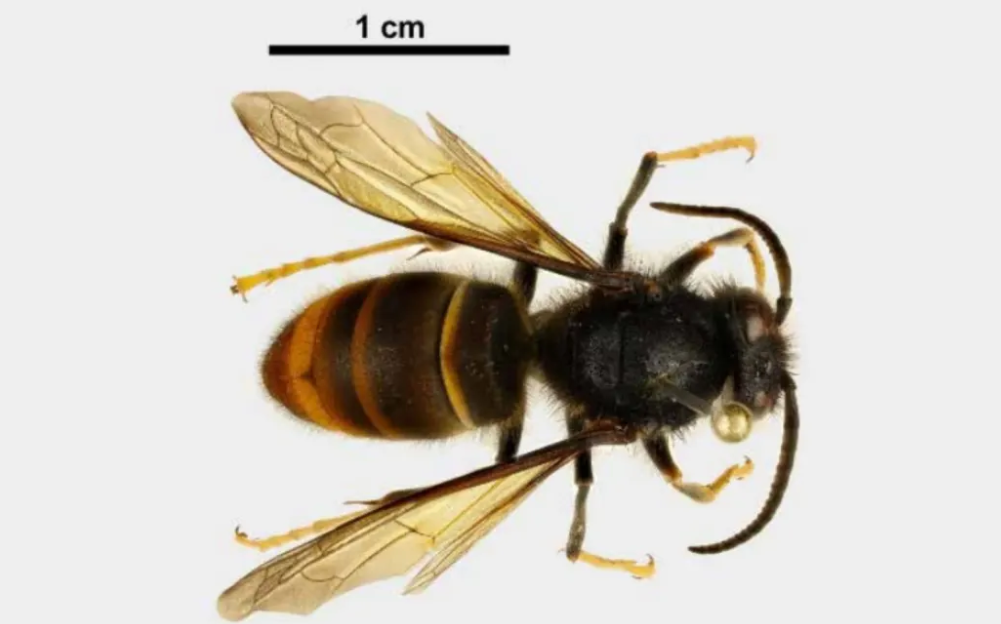
Biosecurity New Zealand is set to enhance its eradication efforts against the invasive yellow-legged hornet by introducing advanced tracking technology from the Netherlands. This new phase aims to trace hornets back to their nests, a critical step in managing their growing population in the Auckland area.
Tracking Strategy to Target Male Hornets
Recent findings revealed that more than half of the 30 queen hornets discovered on Auckland’s North Shore showed evidence of nesting. According to the Ministry for Primary Industries, the new tracking strategy will focus specifically on male hornets. North commissioner Mike Inglis explained that capturing males is essential for locating the nests.
“What happens over the next sort of four to six weeks is crucial,” Inglis said. “If we start to find males, we can put traps out to capture them. We will then attach a tracking device to the male hornet, allowing us to follow it back to its nest for destruction.” The tracking device, which features a small antenna, will enable precise tracking at various times of the day and night.
Integrated Approach to Nest Eradication
In addition to the tracking technology, Biosecurity New Zealand plans to implement a bait poison called Vespex. This product will be utilized in conjunction with protein traps, increasing the likelihood that the males will transport the bait back to their nests, ultimately leading to the eradication of the hornets.
Inglis emphasized the importance of a multi-faceted strategy that combines trapping, surveillance, and scientific guidance. “We ensure that our approach is thorough and supported by technical expertise,” he noted. This integrated method aims to combat the hornet population effectively as they begin to develop secondary nests, which are typically located in higher trees.
The public has responded positively to Biosecurity New Zealand’s efforts, with nearly 4,400 notifications regarding hornet sightings received to date. Inglis highlighted the significance of community involvement in the eradication initiative, stating, “It is important that we work together, and that public engagement remains strong.”
Tomorrow, Inglis will address a forum hosted by the Tauranga Moana Biosecurity Capital, where national experts will discuss ongoing efforts to manage the yellow-legged hornet threat. He reiterated the necessity of spreading awareness beyond Auckland, aiming to involve the entire North Island in the surveillance and reporting process.
“I have been actively communicating with Northland Council’s biosecurity team and expanding our reach to Tauranga,” Inglis added. “The response through our website and social media has been incredible, and we encourage anyone with photographs or sightings to report them.”
As Biosecurity New Zealand embarks on this crucial phase of its eradication project, the collaboration between government agencies and the public will be vital to ensuring the success of these efforts against the invasive hornet species.











Tai Webster Rejoins Breakers for Crucial NBL Second Half

Auckland Police Hunt for Wanted Man Robin Dion Leslie Martin

New Tracking Technology Targets Hornets in New Zealand’s Eradication Effort

Auckland Mayor Wayne Brown Challenges Government’s Rate Cap Proposal

Simon Helberg Surprises Diners with Visit to Te Awamutu Restaurant

Community Pharmacies Evolve to Meet Health Needs in 2023

King Charles Revokes Prince Andrew’s Final Royal Titles

Naval Point Club Takes Stand Against Harassment and Gossip

Suzuki International Series Ignites Motorcycle Racing in Taupō

Private Funeral Held for Dean Field and His Three Children

Funeral Planned for Field Siblings After Tragic House Fire

Netball New Zealand Stands Down Dame Noeline Taurua for Series

Tributes Pour In for Lachlan Rofe, Reality Star, Dead at 47

New ‘Maverick’ Chaser Joins Beat the Chasers Season Finale

Silver Ferns Legend Laura Langman Criticizes Team’s Attitude

Eli Katoa Rushed to Hospital After Sideline Incident During Match

Investigation Underway in Tragic Sanson House Fire Involving Family

Netball NZ Calls for Respect Amid Dame Taurua’s Standoff
-
 World1 week ago
Private Funeral Held for Dean Field and His Three Children
-
 Top Stories2 weeks ago
Funeral Planned for Field Siblings After Tragic House Fire
-
 Sports3 months ago
Netball New Zealand Stands Down Dame Noeline Taurua for Series
-
 Entertainment3 months ago
Tributes Pour In for Lachlan Rofe, Reality Star, Dead at 47
-
 Entertainment2 months ago
New ‘Maverick’ Chaser Joins Beat the Chasers Season Finale
-
 Sports3 months ago
Silver Ferns Legend Laura Langman Criticizes Team’s Attitude
-
 Sports4 weeks ago
Eli Katoa Rushed to Hospital After Sideline Incident During Match
-
 World2 weeks ago
Investigation Underway in Tragic Sanson House Fire Involving Family
-
 Politics2 months ago
Netball NZ Calls for Respect Amid Dame Taurua’s Standoff
-

 Top Stories2 weeks ago
Shock and Grief Follow Tragic Family Deaths in New Zealand
-

 Entertainment3 months ago
Khloe Kardashian Embraces Innovative Stem Cell Therapy in Mexico
-

 World4 months ago
Police Arrest Multiple Individuals During Funeral for Zain Taikato-Fox