
Business
New Zealand’s Summer Shutdown: Tradition or Economic Impact?

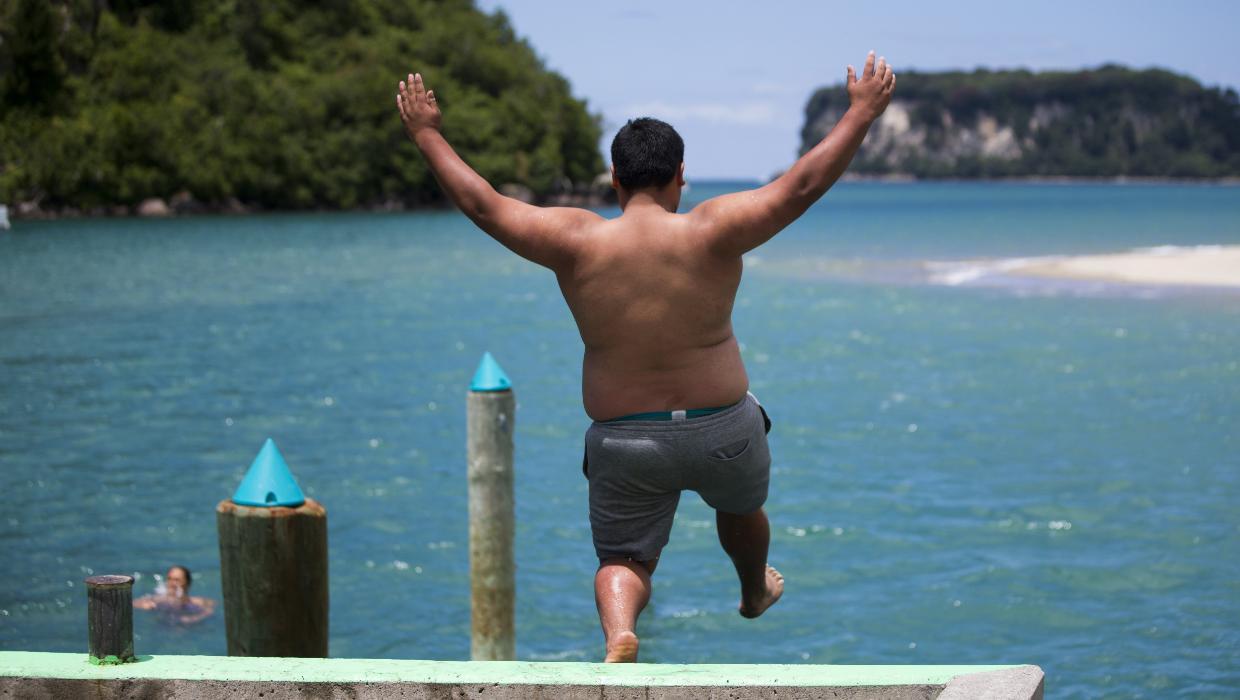
The Christmas and summer season in New Zealand often leads to a temporary shift in economic activity, with many businesses closing for an extended period. This annual tradition raises questions about its impact on the economy. Despite concerns, recent assessments indicate that there is no significant evidence of a decline in economic performance during this time.
The phenomenon, often referred to as the “Kiwi shutdown,” typically sees businesses, especially in the hospitality and retail sectors, close for several weeks. This year, many are looking closely at how this practice affects both consumer spending and overall economic health. The New Zealand Commerce Commission has been actively evaluating these shifts, aiming to understand the broader implications for the economy.
While some argue that the shutdown allows for necessary downtime and family time, others view it as a potential economic brake. The summer period, particularly around Christmas, traditionally generates a surge in consumer spending. In December 2023, New Zealand is expected to see retail sales exceed $100 billion, showcasing the potential for strong economic activity despite the shutdown.
Evaluating the Economic Landscape
Economic analysts emphasize that while the shutdown alters the rhythm of business operations, it does not inherently lead to long-term economic decline. Dr. Sarah Thompson, an economist at the University of Auckland, explains that while some sectors may experience a slowdown, others benefit from increased consumer activity during the festive season.
“The shift in economic activity is more about timing than a reduction in overall spending,” Dr. Thompson notes. “People often plan their purchases around this period, and many businesses adapt by ramping up promotions before the shutdown.”
This adaptability is critical. Many businesses prepare for the summer slowdown by adjusting their staffing and inventory levels, ensuring they can meet demand when they reopen. The hospitality sector, for instance, sees a surge in tourism during the warmer months, often offsetting any losses incurred during the shutdown.
Public Sentiment and Future Considerations
Public sentiment regarding the shutdown varies. Many New Zealanders cherish the tradition, viewing it as a vital opportunity to relax and reconnect with family. However, others express frustration over the disruptions it causes, particularly in essential services and customer support.
As New Zealand approaches the summer of 2024, discussions surrounding the economic impact of the shutdown will likely intensify. Stakeholders, including business owners and policymakers, are encouraged to evaluate the balance between preserving cultural traditions and ensuring economic vitality.
To inform future policies, ongoing research and data collection will be essential. Analyzing patterns in consumer behavior during this period can provide valuable insights into how New Zealand can maintain its unique traditions while fostering a robust economic environment.
In conclusion, while the Kiwi shutdown remains a cherished summer tradition, its implications for the economy are complex and multifaceted. With no current evidence of significant economic downturns, New Zealand appears poised to continue embracing this cultural practice, albeit with an eye towards its potential impacts on future economic growth.







Young Mother Urgently Seeks Funds for Life-Saving Cancer Treatment

FIFA World Cup 2026 to Host LGBTQ+ Pride Match in Seattle

Nicola Willis Challenges Ruth Richardson to Fiscal Debate

New Zealand Student to Showcase Research at US Science Fair

All Blacks Announce Exciting 2026 Schedule with 13 Tests

Fire Claims Lives of Elderly Couple in Foxton Beach Home Blaze

Young Mother Faces Financial Hurdles After Cancer Treatment Success

FIFA World Cup 2026 to Host Controversial Pride Match

Ruth Richardson and Nicola Willis Set for Financial Debate Showdown

Private Funeral Held for Dean Field and His Three Children

Funeral Planned for Field Siblings After Tragic House Fire

Netball New Zealand Stands Down Dame Noeline Taurua for Series

Tributes Pour In for Lachlan Rofe, Reality Star, Dead at 47

New ‘Maverick’ Chaser Joins Beat the Chasers Season Finale

Silver Ferns Legend Laura Langman Criticizes Team’s Attitude

Eli Katoa Rushed to Hospital After Sideline Incident During Match

Investigation Underway in Tragic Sanson House Fire Involving Family

Netball NZ Calls for Respect Amid Dame Taurua’s Standoff
-
 World2 weeks ago
Private Funeral Held for Dean Field and His Three Children
-
 Top Stories3 weeks ago
Funeral Planned for Field Siblings After Tragic House Fire
-
 Sports3 months ago
Netball New Zealand Stands Down Dame Noeline Taurua for Series
-
 Entertainment3 months ago
Tributes Pour In for Lachlan Rofe, Reality Star, Dead at 47
-
 Entertainment2 months ago
New ‘Maverick’ Chaser Joins Beat the Chasers Season Finale
-
 Sports3 months ago
Silver Ferns Legend Laura Langman Criticizes Team’s Attitude
-
 Sports1 month ago
Eli Katoa Rushed to Hospital After Sideline Incident During Match
-
 World3 weeks ago
Investigation Underway in Tragic Sanson House Fire Involving Family
-
 Politics2 months ago
Netball NZ Calls for Respect Amid Dame Taurua’s Standoff
-

 Top Stories3 weeks ago
Shock and Grief Follow Tragic Family Deaths in New Zealand
-

 Entertainment3 months ago
Khloe Kardashian Embraces Innovative Stem Cell Therapy in Mexico
-

 World4 months ago
Police Arrest Multiple Individuals During Funeral for Zain Taikato-Fox