
Politics
Police Leaders Reject Culture Issues Despite Critical Report

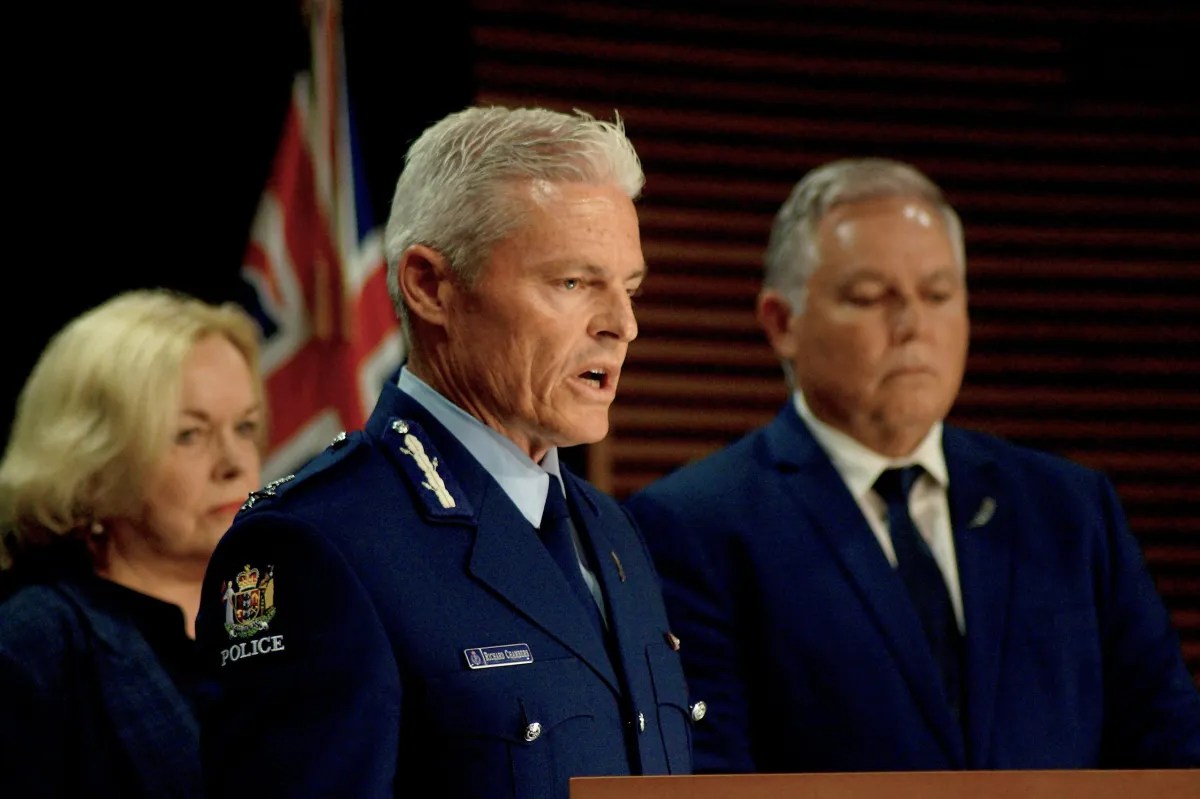
The Police Commissioner of New Zealand, Richard Chambers, firmly denied the existence of broader cultural issues within the police force during a recent parliamentary inquiry. His statements directly contradict findings from a critical report by the Independent Police Conduct Authority (IPCA), which revealed significant failures in the police’s handling of sexual misconduct allegations against former deputy commissioner Jevon McSkimming.
During a three-hour session with the justice select committee, Chambers was questioned about various topics, including police trust, systemic bias, and sexual harm reporting. When asked by Labour MP Ginny Andersen whether he acknowledged a problem with police culture as indicated by the IPCA report, he responded with a categorical “no.” Police Minister Mark Mitchell, facing similar inquiries, echoed Chambers’ sentiment, insisting that he would not condemn the entire police force of approximately 15,000 officers based on the actions of a few.
Chambers and Mitchell did commend the IPCA report, describing it as “thorough” and “outstanding,” but they attributed the identified issues to a small group within the former police executive. According to the IPCA, while the police have made progress since the Bazley Inquiry, there are still significant gaps in the integrity measures that ensure public confidence. The report highlighted an environment of groupthink that contributed to the mishandling of complaints, suggesting a need for a comprehensive plan to foster change.
Chambers acknowledged that the report identified “pockets of opportunity” for improvement in police culture, conduct, and standards. He emphasised that he found it “grossly unfair” to label the problems described in the report as systemic. Some initiatives stemming from the report include more stringent recruitment processes and performance reviews through the Public Service Commission, which oversees the hiring of deputy commissioners.
The ongoing audits within the police have already uncovered concerning practices, such as about 120 staff who had inaccurately recorded 30,000 alcohol breath tests. Additionally, 20 staff members are currently under investigation for misusing police devices or accessing inappropriate content. When asked by Newsroom about the point at which he would consider issues to be widespread, Chambers stated, “Time will tell.”
Chambers also expressed concern about the potential negative impact of the report on the morale of frontline officers, who have faced public scrutiny as a result of McSkimming’s actions. “It’s unfair and it’s pretty unpleasant,” he remarked, noting the difficulties that frontline personnel face due to the reputation of the police being affected by a few individuals.
Survivor advocate Louise Nicholas supported the police leadership’s stance, highlighting that the behaviour of a minority can tarnish the reputation of the entire organisation, potentially deterring other survivors from reporting incidents. Acting Deputy Commissioner Tusha Penny reinforced this notion, stating that while sexual assault cases remain underreported, the police are actively working to improve training and community engagement to foster a more supportive environment for victims.
Despite the challenges highlighted in the recent IPCA report, public trust in the police has been on a decline. According to the NZ Police annual report, public trust stood at 69 percent in the 2025 financial year, slightly up from 67 percent the previous year. This figure falls short of the 75 percent target for public confidence. While the police have noted improvement in community safety after dark, with the percentage of people feeling safe rising to 71 percent, the perception of police effectiveness in dealing with serious crime has dropped from 77 percent in 2021.
As the inquiry continues, the discussions surrounding police culture and accountability are expected to evolve, prompting further scrutiny and potential changes within the New Zealand Police.









Kadha Gains Momentum as Herbal Remedy for Immunity Boost

Wairarapa College Students Triumph in National Minecraft Challenge

Police Leaders Reject Culture Issues Despite Critical Report

Test Your Skills with Herald’s Sports Quiz Challenge Today

Auckland’s City Rail Link Project Unaffected by Asbestos Alerts

Egypt’s Trézéguet Embraces Arab Cup Challenge in Qatar

Luxon Delights Crowd with Jalebi Making at Sikh Games in Auckland

PM Luxon Dazzles at Sikh Games by Making Jalebis in Auckland

Matildas Secure Victory Over Football Ferns in Legend’s Farewell

Private Funeral Held for Dean Field and His Three Children

Funeral Planned for Field Siblings After Tragic House Fire

Netball New Zealand Stands Down Dame Noeline Taurua for Series

Tributes Pour In for Lachlan Rofe, Reality Star, Dead at 47

New ‘Maverick’ Chaser Joins Beat the Chasers Season Finale

Silver Ferns Legend Laura Langman Criticizes Team’s Attitude

Eli Katoa Rushed to Hospital After Sideline Incident During Match

Investigation Underway in Tragic Sanson House Fire Involving Family

Netball NZ Calls for Respect Amid Dame Taurua’s Standoff
-
 World1 week ago
Private Funeral Held for Dean Field and His Three Children
-
 Top Stories2 weeks ago
Funeral Planned for Field Siblings After Tragic House Fire
-
 Sports3 months ago
Netball New Zealand Stands Down Dame Noeline Taurua for Series
-
 Entertainment3 months ago
Tributes Pour In for Lachlan Rofe, Reality Star, Dead at 47
-
 Entertainment2 months ago
New ‘Maverick’ Chaser Joins Beat the Chasers Season Finale
-
 Sports3 months ago
Silver Ferns Legend Laura Langman Criticizes Team’s Attitude
-
 Sports1 month ago
Eli Katoa Rushed to Hospital After Sideline Incident During Match
-
 World2 weeks ago
Investigation Underway in Tragic Sanson House Fire Involving Family
-
 Politics2 months ago
Netball NZ Calls for Respect Amid Dame Taurua’s Standoff
-

 Top Stories2 weeks ago
Shock and Grief Follow Tragic Family Deaths in New Zealand
-

 Entertainment3 months ago
Khloe Kardashian Embraces Innovative Stem Cell Therapy in Mexico
-
 World4 months ago
Police Arrest Multiple Individuals During Funeral for Zain Taikato-Fox