
Science
Researcher Develops Innovative Device for Early Cancer Detection

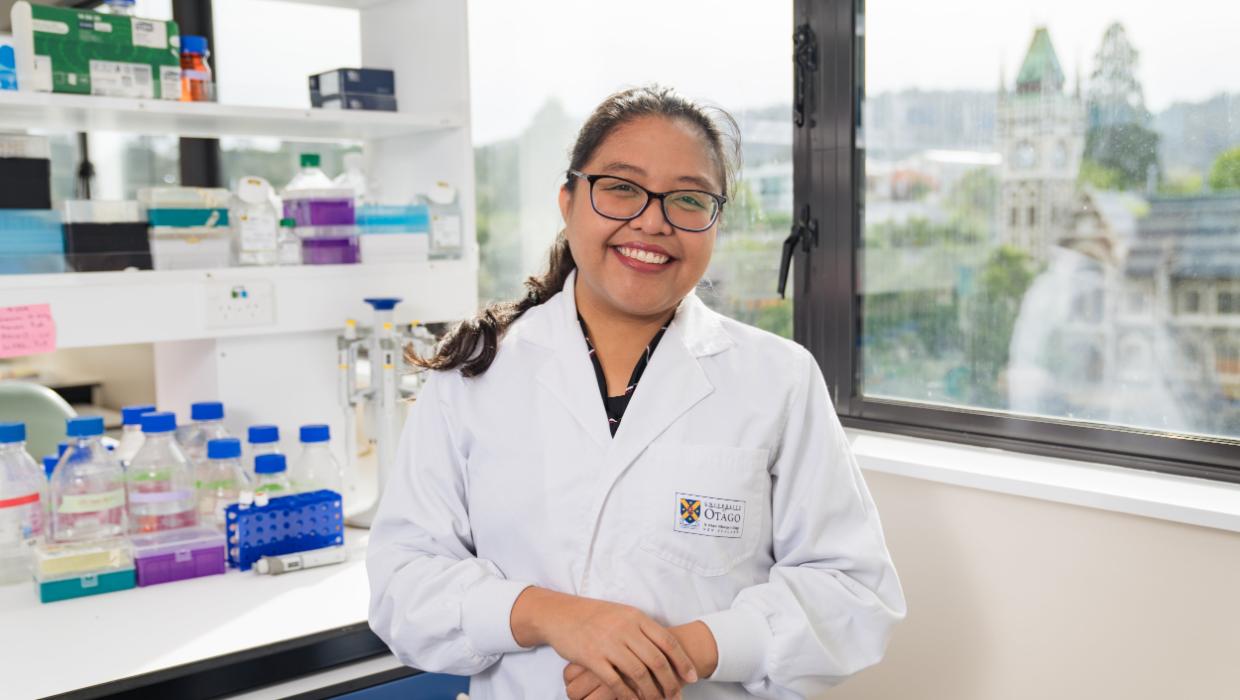
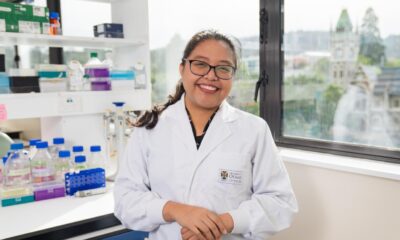
A childhood experience with cancer has inspired a South Island researcher to develop groundbreaking technology for the early detection of cancer. Dr. Judy Ann Cocadiz, affiliated with the University of Otago, has received a three-year, $300,000 post-doctoral fellowship from the Cancer Society to support her work on an innovative diagnostic tool aimed at identifying early-stage cancers more accurately.
Dr. Cocadiz’s research focuses on circulating tumour DNA (ctDNA), which are fragments of DNA released into the bloodstream by cancer cells. The presence of ctDNA increases as cancer advances, making it a crucial indicator for diagnosis and monitoring.
Innovative Device for Accurate Diagnoses
Currently, doctors analyze ctDNA by drawing blood from patients, typically around 8-10 ml. However, in the case of early-stage cancers, this amount may yield insufficient ctDNA, making diagnosis challenging. Dr. Cocadiz explained, “It is like looking for a needle in a haystack.”
To address this issue, she is developing a small device that can be inserted into a blood vessel, functioning as a “sieve” to capture ctDNA over a brief period. This approach aims to provide a less invasive and more effective way to detect cancers early and monitor for any recurrence post-treatment.
“The device would be inserted similarly to an intravenous line, allowing us to collect ctDNA without needing to draw excessive blood from the patient,” Cocadiz added. This method could significantly reduce discomfort for patients, particularly vulnerable groups such as children or the elderly.
While the research remains in the proof of concept stage, Cocadiz is optimistic about its potential impact. “Getting this device into clinical use will take years, but I am really optimistic about where this research is heading,” she stated.
A Personal Journey Towards Cancer Research
Dr. Cocadiz’s passion for cancer research traces back to her childhood in the Philippines. At just five years old, she noticed that her best friend frequently had unexplained bruises. Her concern led to a visit to the doctor, where her friend was diagnosed with early-stage leukaemia and received prompt treatment.
Reconnecting with her friend earlier this year, Cocadiz was delighted to see him healthy and thriving. This pivotal experience shaped her career aspirations, leading her to pursue a path in cancer research rather than becoming a doctor.
“Everything just kind of fell into place, and I am really glad I ended up in cancer research,” she reflected.
Dr. Cocadiz expresses gratitude for the support from the Cancer Society, recognizing that their funding not only aids her research but also contributes significantly to the early stages of her career. As she advances her work, the hope is that this innovative device will enhance the accuracy of cancer diagnoses and ultimately improve patient outcomes.







Point Wells Homes Tour Raises $80,000 for Local Hospice

Vote for Your Favourite Christmas Lights in Rangiora and Kaiapoi

Israel Prepares for Next Phase of Gaza Ceasefire Plan

Aspiring Writers Invited to Join Intergenerational Workshops in Warkworth

Parakiore Sports Facility Opens After Decade of Delays

Netflix Set to Acquire Warner Bros Studios in $125 Billion Deal

Lifeguards Rescue Dog from Rip Current at San Diego Beach

Engage Your Mind: Can You Solve Today’s Challenging Word?

Mark Mitchell Challenges Claims by Former Police Chief Coster

Private Funeral Held for Dean Field and His Three Children

Funeral Planned for Field Siblings After Tragic House Fire

Netball New Zealand Stands Down Dame Noeline Taurua for Series

Tributes Pour In for Lachlan Rofe, Reality Star, Dead at 47

New ‘Maverick’ Chaser Joins Beat the Chasers Season Finale

Silver Ferns Legend Laura Langman Criticizes Team’s Attitude

Eli Katoa Rushed to Hospital After Sideline Incident During Match

Investigation Underway in Tragic Sanson House Fire Involving Family

Netball NZ Calls for Respect Amid Dame Taurua’s Standoff
-
 World2 weeks ago
Private Funeral Held for Dean Field and His Three Children
-
 Top Stories2 weeks ago
Funeral Planned for Field Siblings After Tragic House Fire
-
 Sports3 months ago
Netball New Zealand Stands Down Dame Noeline Taurua for Series
-
 Entertainment3 months ago
Tributes Pour In for Lachlan Rofe, Reality Star, Dead at 47
-
 Entertainment2 months ago
New ‘Maverick’ Chaser Joins Beat the Chasers Season Finale
-
 Sports3 months ago
Silver Ferns Legend Laura Langman Criticizes Team’s Attitude
-
 Sports1 month ago
Eli Katoa Rushed to Hospital After Sideline Incident During Match
-
 World3 weeks ago
Investigation Underway in Tragic Sanson House Fire Involving Family
-
 Politics2 months ago
Netball NZ Calls for Respect Amid Dame Taurua’s Standoff
-
 Top Stories2 weeks ago
Shock and Grief Follow Tragic Family Deaths in New Zealand
-

 Entertainment3 months ago
Khloe Kardashian Embraces Innovative Stem Cell Therapy in Mexico
-
 World4 months ago
Police Arrest Multiple Individuals During Funeral for Zain Taikato-Fox