
Top Stories
Victoria University Rejects Restoration Plan for Hazardous Flats

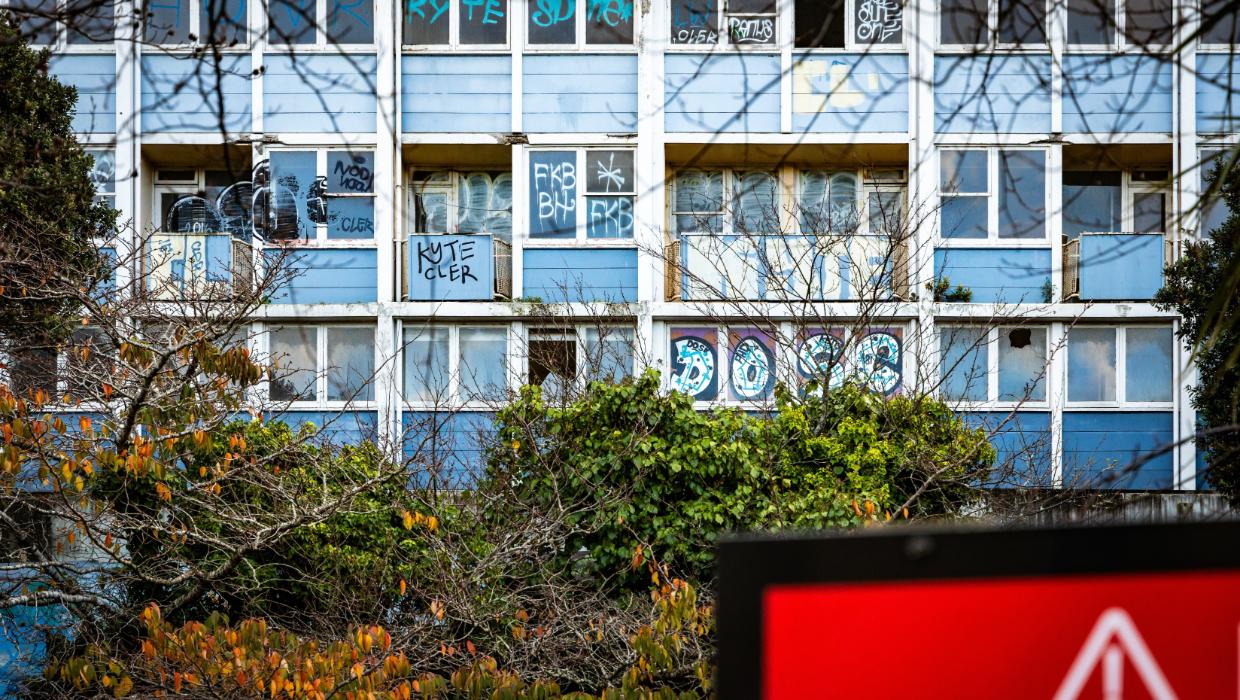
Victoria University of Wellington has declined a proposal from architects to restore a block of flats deemed both “ugly” and “dangerous.” The university announced that the project, which aimed to address significant safety concerns related to lead paint and asbestos, is not financially viable.
The decision, made public on March 10, 2024, reflects ongoing challenges in balancing safety, aesthetics, and financial considerations in Wellington’s urban landscape. The university emphasized its commitment to ensuring public safety while also considering the economic implications of extensive renovations.
Safety Concerns Drive Decision
The targeted flats, located in a historic area of Wellington, have long been criticized for their deteriorating condition. Reports indicated that the presence of hazardous materials such as lead paint and asbestos poses serious health risks to residents and visitors alike. The university noted that addressing these issues would require a substantial financial investment that does not align with current budget constraints.
In their statement, university officials articulated that while the architectural plans presented by the architects were promising, the anticipated costs far exceeded what the institution could justify. “We must prioritize the safety of our community and allocate resources effectively,” said a university spokesperson.
The estimated cost for renovation was projected to be around $3 million, a figure that included not only the removal of hazardous materials but also structural improvements. The university’s financial analysis concluded that the investment would not yield sufficient benefits to warrant the expenditure.
Future Plans and Community Impact
Despite the setback, Victoria University remains committed to exploring alternative solutions for the flats. “We are actively seeking other options that could improve the condition of the property while ensuring safety and financial responsibility,” the spokesperson added.
Community members have expressed mixed reactions to the decision. Some residents support the rejection of the proposal, citing concerns over ongoing safety risks. Others have voiced disappointment, hoping for a transformative project that could enhance the neighborhood’s appeal.
The university’s decision underscores a broader trend in urban planning, where institutions must navigate the intersection of safety, aesthetics, and financial viability. As many cities face similar dilemmas, the outcome of this case may serve as a reference point for other universities and local governments grappling with outdated infrastructure and public safety challenges.
In the meantime, Victoria University will continue to engage with stakeholders and the local community to seek viable alternatives. The institution aims to ensure that any future plans prioritize both safety and community enhancement, aligning with its long-term vision for sustainable urban development.












New $25 Million Funding Boosts Hospital Capacity Ahead of Winter

Discover Sleep Space’s Affordable Bach Bed Packages Today

Jury Dismissed in Sexual Assault Trial Over Misguided Questions

Wellington’s New Gallery Unveils Community-Driven Art Exhibition

All Whites Face Challenges as Injuries Strike Before World Cup

Heroic Bystander Rescues Swimmers from Dangerous Surf in Napier

Nina Oyama Returns to Crime Comedy in Deadloch Season 2

China Southern Airlines Offers Reliable Journey from Auckland to Vietnam

Nina Oyama Returns to Deadloch for Anticipated Season 2

Community Mourns Teens Lost in Mount Maunganui Landslide

Tributes Pour In for Lachlan Rofe, Reality Star, Dead at 47

Private Funeral Held for Dean Field and His Three Children

Funeral Planned for Field Siblings After Tragic House Fire

Netball New Zealand Stands Down Dame Noeline Taurua for Series

Julian Dennison Ties the Knot with Christian Baledrokadroka in New Zealand

New Research Reveals Simple Path to Enhanced Happiness

New ‘Maverick’ Chaser Joins Beat the Chasers Season Finale

Maia Wilson Faces Backlash Following Taurua’s Suspension
-
 Top Stories6 months ago
Community Mourns Teens Lost in Mount Maunganui Landslide
-
 Entertainment10 months ago
Tributes Pour In for Lachlan Rofe, Reality Star, Dead at 47
-
 World8 months ago
Private Funeral Held for Dean Field and His Three Children
-
 Top Stories8 months ago
Funeral Planned for Field Siblings After Tragic House Fire
-
 Sports10 months ago
Netball New Zealand Stands Down Dame Noeline Taurua for Series
-
 Entertainment6 months ago
Julian Dennison Ties the Knot with Christian Baledrokadroka in New Zealand
-
 Science9 months ago
New Research Reveals Simple Path to Enhanced Happiness
-
 Entertainment9 months ago
New ‘Maverick’ Chaser Joins Beat the Chasers Season Finale
-
 Lifestyle10 months ago
Maia Wilson Faces Backlash Following Taurua’s Suspension
-

 Health6 months ago
Al Waha Motors Opens Flagship Jetour Showroom in Al Khor
-

 Sports9 months ago
All Blacks Star Damian McKenzie and Partner Announce Baby News
-

 Sports10 months ago
Silver Ferns Legend Laura Langman Criticizes Team’s Attitude