
Business
Wellington’s Homes Lead in Affordability; Herne Bay Tops Prices

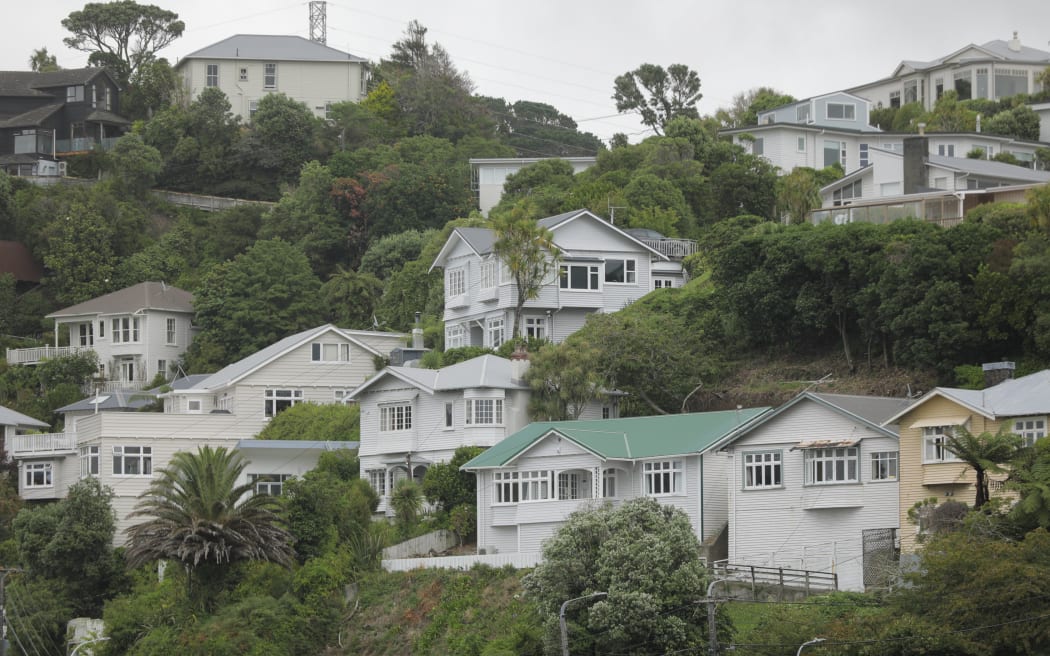
According to property data firm Cotality, central Wellington now boasts the cheapest homes in New Zealand. The firm recently released its end-of-year data, highlighting a year of stagnation in the housing market. Factors such as lower mortgage rates have improved sales volumes, but a sluggish economy and a weak labour market have kept property values subdued.
Chief property economist Kelvin Davidson noted that despite the ongoing “flat patch” for property values, there has been notable activity in the market. “First-home buyers have remained very strong, hovering as high as 28 percent to 29 percent of overall purchasing activity,” he said. The data also indicates a resurgence among mortgaged multiple property owners in 2025.
Herne Bay and Price Trends
The report identifies Herne Bay as the most expensive suburb in the country, with a median property value of $2.6 million. This is followed by Westmere and Ponsonby, both at $2.2 million, and Remuera at $2 million. Notably, Arrowtown and Tamahere in Waikato are the only suburbs outside of Auckland to make the top ten list of most expensive areas.
On the other hand, Greymouth experienced the most significant price increase over five years, rising nearly 60 percent. This is closely followed by Somerfield in Christchurch and Hokitika, both witnessing increases of nearly 50 percent during the same period. Davidson explained that most areas with substantial price rises were more affordable to begin with, including rural locations and smaller towns. He also highlighted two outlier suburbs, Jacks Point and Lake Hayes, in Queenstown, where demand from affluent buyers has driven stronger growth.
While no area is experiencing a property boom, Davidson pointed out that Invercargill remains resilient. He noted, “Property has been moving quickly in Invercargill,” attributing this trend to a degree of resilience in the southern region.
Price Declines and Rental Market Trends
In contrast, Oneroa in Auckland recorded the largest year-on-year price decline, falling by 7.9 percent. Other notable decreases include Omaha at 5.7 percent and Atawhai in Nelson, which was the only non-Auckland suburb among the ten lowest value movements. Newmarket had the steepest five-year drop, decreasing by 15.8 percent, while Te Aro and Petone followed, down 15 percent and 13.2 percent respectively.
Wellington central is now the most affordable region in the country, with a median property value of $318,706. This is followed by Taumarunui at $353,942, Westport at $365,347, and Auckland Central at $365,657. Davidson attributes Wellington’s affordability to its status as an “apartment market,” where apartments typically carry lower values than standalone houses.
He noted that four or five years ago, Wellington was priced significantly higher, adding, “Wellington has been a pretty soft market.” The analysis only included suburbs with at least 1,000 dwellings, meaning there may be smaller areas with even lower values.
Auckland remains notable for housing some of the highest-value suburbs while also featuring weaker-performing areas. Davidson emphasized the ongoing affordability challenges in Auckland, stating, “You can have high-value real estate, but of course, the flip side of that is that affordability is still a challenge.”
Looking forward, Davidson remarked on the potential for growth in property prices, suggesting that the fundamentals may align for a modest increase, though not a dramatic boom like during the Covid-19 pandemic.
The rental market has also shown signs of softening. With a decline in net migration, rents have weakened across many urban centers, including Auckland, Wellington, and Christchurch. Davidson pointed out that these declines are rare and have created a challenging environment for property investors. “Of course, it’s been a more favorable period for tenants,” he added.
In contrast, renters in Gladstone, Invercargill, experienced the highest rent increase, rising by 18 percent. This was followed by Waipawa at 17.3 percent and Timaru at 16.9 percent. Long Bay in Auckland experienced the largest rent drop, down 17.1 percent, followed closely by Hilltop in Taupō down 13.8 percent and Ngaio in Wellington down 13 percent.
As the property market navigates these challenges, the coming year will be crucial for both buyers and investors.







Residents Raise Alarm Over Plastic Plant Guards in Ashburton Waterways

$30 Million Luxury Department Store to Transform Queen St, Auckland

News Fix: Key Updates Across News, Politics, and Sports

Health Warning Issued as Toxic Algal Bloom Hits Tukituki River

King’s High School Celebrates Academic Excellence with 2025 Awards

Countess Spencer Cleared of Liability in Health Leak Case

Wellington’s Heritage Properties Sold at Tender Amid Strong Interest

BNZ Highlights Alarming Cyber Security Gaps in SMEs

Dan Wootton and Piers Morgan Clash in Heated Online Debate

Private Funeral Held for Dean Field and His Three Children

Funeral Planned for Field Siblings After Tragic House Fire

Netball New Zealand Stands Down Dame Noeline Taurua for Series

Tributes Pour In for Lachlan Rofe, Reality Star, Dead at 47

New ‘Maverick’ Chaser Joins Beat the Chasers Season Finale

Silver Ferns Legend Laura Langman Criticizes Team’s Attitude

Eli Katoa Rushed to Hospital After Sideline Incident During Match

Investigation Underway in Tragic Sanson House Fire Involving Family

Netball NZ Calls for Respect Amid Dame Taurua’s Standoff
-
 World2 weeks ago
Private Funeral Held for Dean Field and His Three Children
-
 Top Stories3 weeks ago
Funeral Planned for Field Siblings After Tragic House Fire
-
 Sports3 months ago
Netball New Zealand Stands Down Dame Noeline Taurua for Series
-
 Entertainment3 months ago
Tributes Pour In for Lachlan Rofe, Reality Star, Dead at 47
-
 Entertainment2 months ago
New ‘Maverick’ Chaser Joins Beat the Chasers Season Finale
-
 Sports3 months ago
Silver Ferns Legend Laura Langman Criticizes Team’s Attitude
-
 Sports1 month ago
Eli Katoa Rushed to Hospital After Sideline Incident During Match
-
 World3 weeks ago
Investigation Underway in Tragic Sanson House Fire Involving Family
-
 Politics2 months ago
Netball NZ Calls for Respect Amid Dame Taurua’s Standoff
-

 Top Stories3 weeks ago
Shock and Grief Follow Tragic Family Deaths in New Zealand
-

 Entertainment3 months ago
Khloe Kardashian Embraces Innovative Stem Cell Therapy in Mexico
-

 World4 months ago
Police Arrest Multiple Individuals During Funeral for Zain Taikato-Fox