
World
Government Faces Structural Deficit, Urges Asset Recycling

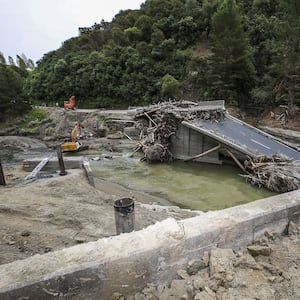
New Zealand’s government is currently grappling with a structural deficit, as highlighted by former politician Richard Prebble. He asserts that addressing this issue requires a strategic approach to recycling state assets, emphasizing that it is not merely an economic decision but a necessity for sustainable governance.
The looming financial challenges associated with climate costs have prompted calls for immediate action. Prebble pointed out that the increasing expenses related to climate change are creating a financial strain on public resources. This situation necessitates a reevaluation of how the government manages its assets, particularly those that are underutilized or inefficient.
Rethinking Asset Management
Prebble argues that recycling state assets can yield significant benefits. By optimizing the management of public properties and entities, the government can bolster its financial standing. He advocates for a comprehensive assessment of state-owned assets to identify which ones can be sold or repurposed to generate revenue. This approach not only aims to alleviate the structural deficit but also ensures that the government can fund essential services without over-reliance on taxpayers.
The former politician also highlights the importance of transparency in this process. He believes that clear communication about asset recycling will foster public trust and support. Engaging citizens in discussions surrounding the future of state assets is crucial for building consensus and understanding the potential impacts on communities.
Long-Term Fiscal Strategy
Prebble emphasizes that addressing the structural deficit is not just an immediate concern but requires a long-term fiscal strategy. With climate costs projected to escalate, he urges the government to prioritize sustainable development alongside economic stability.
“The focus should be on creating a balanced approach that considers both financial health and environmental responsibility,” Prebble stated. By investing in sustainable initiatives, the government can not only mitigate climate-related expenses but also promote economic growth through innovation and job creation.
The implications of these recommendations extend beyond financial metrics. By adopting a proactive stance on asset management and climate costs, the government can position itself as a leader in both economic and environmental stewardship.
As New Zealand navigates these challenges, the call for asset recycling resonates as a potential pathway to achieving fiscal sustainability while addressing pressing climate issues. The government’s response to these challenges will ultimately shape the nation’s economic landscape and its commitment to a sustainable future.







New Zealand Student Sophie Ineson Selected for US Science Fair

Special Olympics Summer Games Spotlighted by CEO Fran Scholey

New Zealand Powerball Jackpot Hits $15 Million Tonight

Authorities Search for Johnny South, Advise Public to Stay Away

Westpac Increases Fixed Mortgage Rates Despite OCR Cut

Irish Lottery Scheme Unveils Ambitious Attempt to Beat the Odds

QMMF Evaluates Drivers for Qatar National Team Selection

Parents Rally After School Cancels Funded Trip, $17,000 at Stake

Nicola Willis and Ruth Richardson Set for High-Stakes Debate

Private Funeral Held for Dean Field and His Three Children

Funeral Planned for Field Siblings After Tragic House Fire

Netball New Zealand Stands Down Dame Noeline Taurua for Series

Tributes Pour In for Lachlan Rofe, Reality Star, Dead at 47

New ‘Maverick’ Chaser Joins Beat the Chasers Season Finale

Silver Ferns Legend Laura Langman Criticizes Team’s Attitude

Eli Katoa Rushed to Hospital After Sideline Incident During Match

Investigation Underway in Tragic Sanson House Fire Involving Family

Netball NZ Calls for Respect Amid Dame Taurua’s Standoff
-
 World2 weeks ago
Private Funeral Held for Dean Field and His Three Children
-
 Top Stories3 weeks ago
Funeral Planned for Field Siblings After Tragic House Fire
-
 Sports3 months ago
Netball New Zealand Stands Down Dame Noeline Taurua for Series
-
 Entertainment3 months ago
Tributes Pour In for Lachlan Rofe, Reality Star, Dead at 47
-
 Entertainment2 months ago
New ‘Maverick’ Chaser Joins Beat the Chasers Season Finale
-
 Sports3 months ago
Silver Ferns Legend Laura Langman Criticizes Team’s Attitude
-
 Sports1 month ago
Eli Katoa Rushed to Hospital After Sideline Incident During Match
-
 World3 weeks ago
Investigation Underway in Tragic Sanson House Fire Involving Family
-
 Politics2 months ago
Netball NZ Calls for Respect Amid Dame Taurua’s Standoff
-

 Top Stories3 weeks ago
Shock and Grief Follow Tragic Family Deaths in New Zealand
-

 Entertainment3 months ago
Khloe Kardashian Embraces Innovative Stem Cell Therapy in Mexico
-

 World4 months ago
Police Arrest Multiple Individuals During Funeral for Zain Taikato-Fox