
Lifestyle
Kiwi Dream Faces Uncertainty Amid Rising Prices and Rates

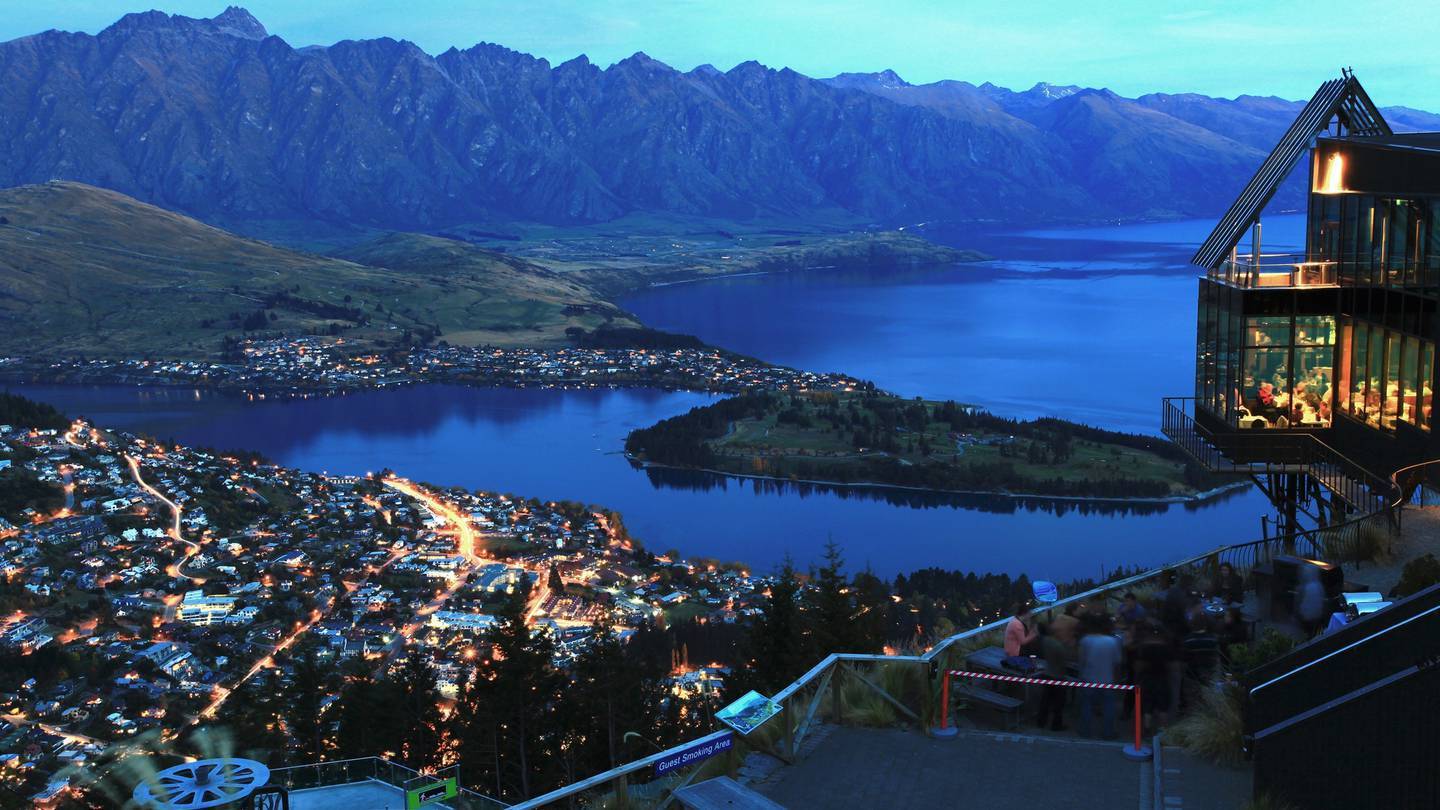
The concept of the “Kiwi dream,” traditionally symbolized by a modest house with a garden, is undergoing a significant transformation in New Zealand. As housing prices continue to rise and interest rates fluctuate, many are questioning whether the dream of homeownership is still attainable or if a fundamental shift in attitudes towards property is occurring.
Historically, the Kiwi dream has represented stability and the aspiration of owning a home, often a 3 or 4-bedroom property with a deck and enough lawn for family activities. This ideal has formed the backbone of many New Zealanders’ aspirations, reflecting their desire to put down roots and secure a future for their families.
Impact of Rising Housing Prices
In recent years, New Zealand’s housing market has experienced unprecedented growth. According to the Real Estate Institute of New Zealand, the median house price surged to an average of NZD 1 million in 2021, marking a steep increase from previous years. This rapid escalation has left many potential homeowners feeling disheartened, as they struggle to keep pace with rising costs.
Interest rates have also played a significant role in shaping the property landscape. After reaching historic lows during the pandemic, rates have been subject to sudden increases, creating additional pressure on buyers. The Reserve Bank of New Zealand has indicated that these fluctuations are part of broader economic strategies aimed at curbing inflation, further complicating the prospects for homeownership.
Shifting Perspectives on Homeownership
Amid these challenges, a growing number of New Zealanders are reconsidering their relationship with property. Mark Harris, a prominent voice in the discussion surrounding the Kiwi dream, highlights the changing mindset among younger generations who are beginning to prioritize flexibility and lifestyle over traditional homeownership.
Many are opting for renting or alternative housing solutions, such as co-housing or tiny homes, which offer a more affordable and adaptable living arrangement. This shift suggests that the desire for security and stability, traditionally associated with owning a home, is being redefined in response to current market conditions.
As the landscape continues to evolve, it remains to be seen whether this change is temporary or indicative of a long-term trend. The current generation may be the first to embrace a new vision of the Kiwi dream, one that aligns more closely with modern societal values and economic realities.
In conclusion, the Kiwi dream is at a crossroads, influenced by rising housing prices and fluctuating interest rates. While the traditional aspiration of homeownership remains strong, many New Zealanders are exploring new avenues to achieve their goals of stability and community. The future of the Kiwi dream will likely reflect a blend of traditional values and innovative approaches to living in an ever-changing world.









Auckland City FC Triumphs in Derby with 3-1 Victory Over Phoenix

Heirs to New Zealand’s Fortunes: How Wealth Shapes Careers

Ardern Discusses Popularity Decline on The Graham Norton Show

Qatar Football Association Prepares for 2026 World Cup Challenge

Kiwi Dream Faces Uncertainty Amid Rising Prices and Rates

Australia Prepares to Enforce Social Media Ban for Under 16s

Jacinda Ardern Discusses Popularity Decline on Graham Norton Show

Heirs of New Zealand’s Wealthy Families Navigate Modern Challenges

Jacinda Ardern Discusses Popularity Decline on Graham Norton Show

Private Funeral Held for Dean Field and His Three Children

Funeral Planned for Field Siblings After Tragic House Fire

Netball New Zealand Stands Down Dame Noeline Taurua for Series

Tributes Pour In for Lachlan Rofe, Reality Star, Dead at 47

New ‘Maverick’ Chaser Joins Beat the Chasers Season Finale

Silver Ferns Legend Laura Langman Criticizes Team’s Attitude

Eli Katoa Rushed to Hospital After Sideline Incident During Match

Investigation Underway in Tragic Sanson House Fire Involving Family

Netball NZ Calls for Respect Amid Dame Taurua’s Standoff
-
 World2 weeks ago
Private Funeral Held for Dean Field and His Three Children
-
 Top Stories2 weeks ago
Funeral Planned for Field Siblings After Tragic House Fire
-
 Sports3 months ago
Netball New Zealand Stands Down Dame Noeline Taurua for Series
-
 Entertainment3 months ago
Tributes Pour In for Lachlan Rofe, Reality Star, Dead at 47
-
 Entertainment2 months ago
New ‘Maverick’ Chaser Joins Beat the Chasers Season Finale
-
 Sports3 months ago
Silver Ferns Legend Laura Langman Criticizes Team’s Attitude
-
 Sports1 month ago
Eli Katoa Rushed to Hospital After Sideline Incident During Match
-
 World3 weeks ago
Investigation Underway in Tragic Sanson House Fire Involving Family
-
 Politics2 months ago
Netball NZ Calls for Respect Amid Dame Taurua’s Standoff
-

 Top Stories2 weeks ago
Shock and Grief Follow Tragic Family Deaths in New Zealand
-

 Entertainment3 months ago
Khloe Kardashian Embraces Innovative Stem Cell Therapy in Mexico
-

 World4 months ago
Police Arrest Multiple Individuals During Funeral for Zain Taikato-Fox