
Lifestyle
Transform Your Home: Harnessing Colour Psychology for Mood

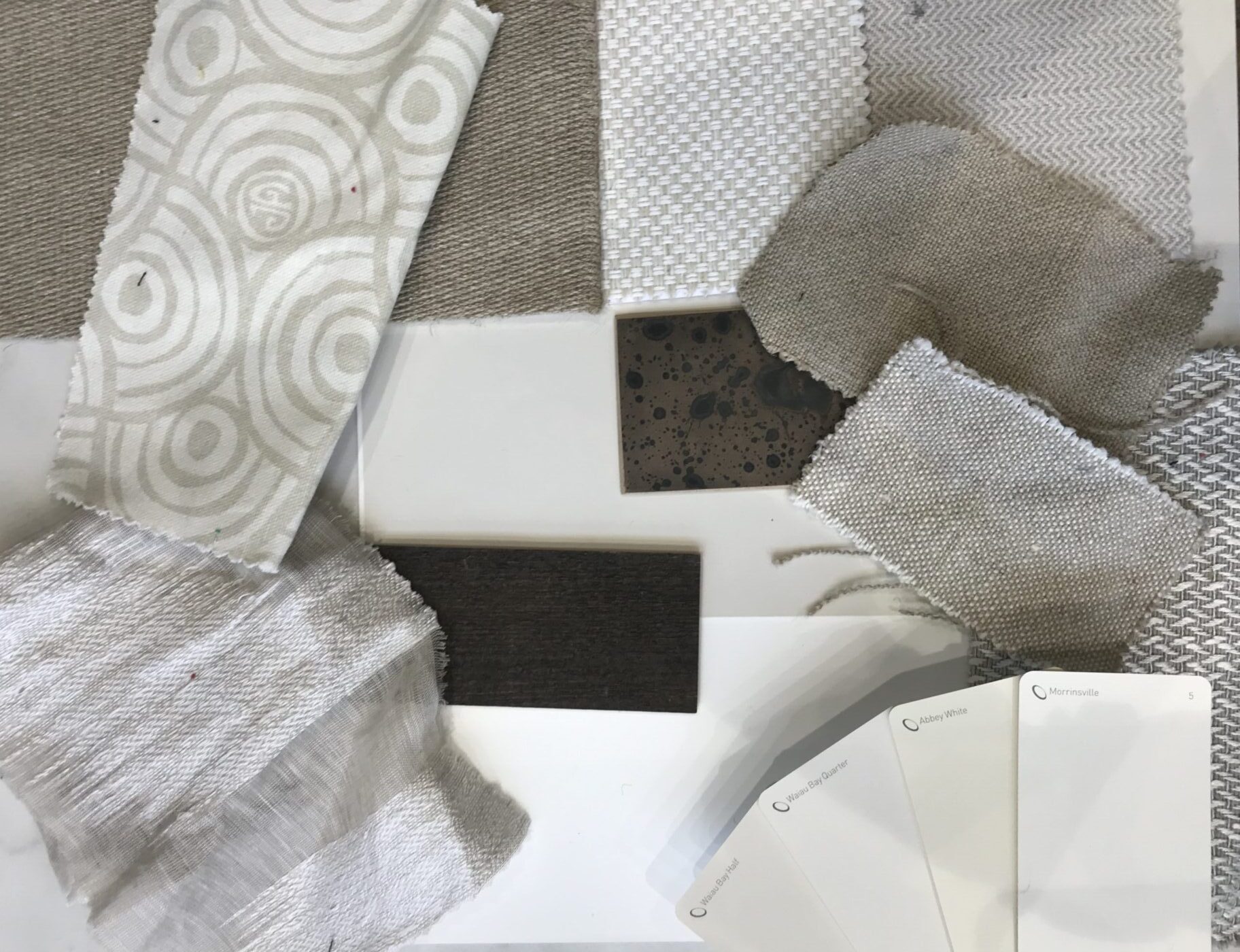
Understanding how colours affect our emotions and behaviours is a growing area of interest in interior design. According to Maree Peary of Style and Soul, the psychological impact of colour can significantly influence our mood, perceptions, and behaviours within our homes. This insight offers homeowners a powerful tool for creating spaces that resonate with their desired atmosphere.
The concept of colour psychology suggests that different hues evoke distinct feelings. For instance, warm colours like red, orange, and yellow are energising and can stimulate social interaction, making them ideal for areas such as kitchens and dining rooms. On the other hand, cool colours like blue and green promote relaxation, making them suitable for bedrooms and spaces designed for concentration.
Applying Colour Psychology in Home Design
Homeowners can strategically select colours to enhance their living environments. The application of colour can vary greatly depending on the room’s purpose. In living rooms, for example, warm, inviting shades like reds and yellows can create a lively atmosphere, promoting engagement among family and guests. Yellow, in particular, is known for its ability to lift spirits and stimulate mental activity, making it a great choice for studying or socialising.
In contrast, bedrooms benefit from calming colours. Soft blues and greens help induce relaxation and restful sleep. Similarly, home offices can be enhanced with these cool shades to promote focus and creativity. Alternatively, incorporating yellows into a workspace can aid in decision-making and problem-solving.
Kitchens and dining areas are another focal point for colour application. Bright yellows and reds are effective in stimulating appetite and energising conversations, making them popular choices in these spaces. The correlation between colour and human behaviour is well-documented, with many restaurants opting for similar schemes to encourage a vibrant dining experience.
Balancing and Accenting with Colour
When considering colour schemes, it is essential to balance warm and cool tones. While vibrant colours can create a dynamic environment, too much intensity can lead to anxiety. Thus, incorporating neutral colours like whites, greys, and beiges provides versatility and spaciousness, allowing bolder colours to stand out without overwhelming the senses.
In smaller spaces, darker colours can create intimacy but should be used judiciously to avoid a cramped feeling. Lighter colours, conversely, can enhance the perception of space, making rooms feel larger and more open. Homeowners may also choose to use accent colours to inject personality into their designs while maintaining a cohesive overall scheme.
Natural light plays a crucial role in how colours are perceived. Rooms with ample sunlight can successfully incorporate cooler tones, while those with limited natural light may benefit from warmer, light-reflecting colours. This consideration is vital for creating an inviting and uplifting environment.
Personal preferences should always guide colour choices, as the most effective palettes resonate with individual tastes and desired atmospheres. Identifying colours that evoke positive emotions can significantly enhance the living experience.
In conclusion, colour psychology offers valuable insights for homeowners looking to transform their spaces. By understanding the effects of different hues, individuals can create environments that not only reflect their style but also positively influence their emotions and behaviours. Whether through the energising warmth of yellows in a kitchen or the soothing calm of blues in a bedroom, the thoughtful application of colour can make a profound difference in how we experience our homes.



Morocco and Oman Battle to Goalless Draw in Arab Cup Clash

Transform Your Home: Harnessing Colour Psychology for Mood

Trump’s National Security Strategy Targets Europe and Asserts Power

Discover the Magic of Stargazing with Innovative Technology

Tauihi Basketball League Final Four Set for Thrilling Showdown

Auckland Grammar Requests Over $1,800 in Voluntary Parent Donations

Tauranga Man Suffers Spine Injury During Seizure from Diabetes

Celebrated Actor and Writer John Banas Passes Away at 75

Concerns Emerge over Management at Te Kāika Health Services

Private Funeral Held for Dean Field and His Three Children

Funeral Planned for Field Siblings After Tragic House Fire

Netball New Zealand Stands Down Dame Noeline Taurua for Series

Tributes Pour In for Lachlan Rofe, Reality Star, Dead at 47

New ‘Maverick’ Chaser Joins Beat the Chasers Season Finale

Silver Ferns Legend Laura Langman Criticizes Team’s Attitude

Eli Katoa Rushed to Hospital After Sideline Incident During Match

Investigation Underway in Tragic Sanson House Fire Involving Family

Netball NZ Calls for Respect Amid Dame Taurua’s Standoff
-
 World2 weeks ago
Private Funeral Held for Dean Field and His Three Children
-
 Top Stories2 weeks ago
Funeral Planned for Field Siblings After Tragic House Fire
-
 Sports3 months ago
Netball New Zealand Stands Down Dame Noeline Taurua for Series
-
 Entertainment3 months ago
Tributes Pour In for Lachlan Rofe, Reality Star, Dead at 47
-
 Entertainment2 months ago
New ‘Maverick’ Chaser Joins Beat the Chasers Season Finale
-
 Sports3 months ago
Silver Ferns Legend Laura Langman Criticizes Team’s Attitude
-
 Sports1 month ago
Eli Katoa Rushed to Hospital After Sideline Incident During Match
-
 World3 weeks ago
Investigation Underway in Tragic Sanson House Fire Involving Family
-
 Politics2 months ago
Netball NZ Calls for Respect Amid Dame Taurua’s Standoff
-

 Top Stories2 weeks ago
Shock and Grief Follow Tragic Family Deaths in New Zealand
-

 Entertainment3 months ago
Khloe Kardashian Embraces Innovative Stem Cell Therapy in Mexico
-

 World4 months ago
Police Arrest Multiple Individuals During Funeral for Zain Taikato-Fox