
Politics
Nicola Willis and Ruth Richardson Set for High-Stakes Debate

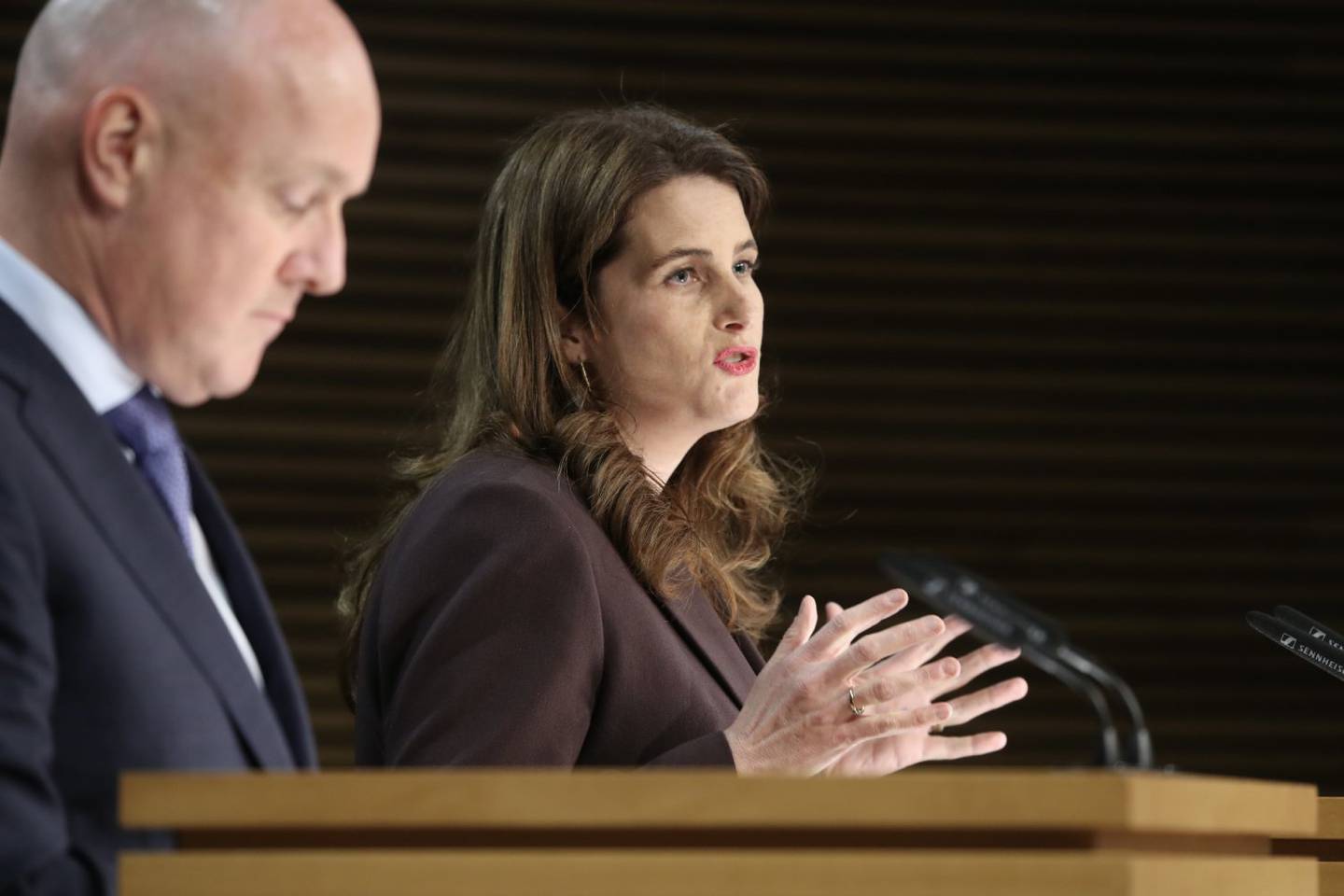
The anticipated debate between New Zealand’s current Finance Minister, Nicola Willis, and former Minister Ruth Richardson is set to take place following the release of the Half Year Economic and Fiscal Update (HYEFU). This showdown, scheduled for next week, has stirred significant interest, particularly as both politicians express dissatisfaction with each other’s approaches to the country’s economic challenges.
New Zealand is grappling with a structural deficit, which remains unaddressed, and forecasts indicate that the anticipated budget surplus may be delayed until 2030. The debate not only highlights differences in economic strategy but also raises questions about credibility within the political arena.
Understanding the Stakes of the Debate
The optics of a debate between a current finance leader and one from over 30 years ago may seem unusual. Yet, Richardson holds considerable credibility among conservative circles. While some on the left criticize her for the long-term impacts of her fiscal policies, there is recognition of the economic recovery that followed her tenure. This debate presents an opportunity for Willis to confront criticisms directly and solidify her position as she seeks to build her own credibility in a challenging economic climate.
Spending has surged under Willis‘s leadership, surpassing levels seen during the administration of her predecessor, Grant Robinson. Economic growth has been described as “anaemic,” prompting concerns about the sustainability of current spending levels. Engaging with Richardson allows Willis to address these challenges head-on, potentially quelling doubts about her fiscal stewardship.
Strategic Implications for Willis
This debate may also serve a more strategic purpose for Willis. By facing off against a prominent figure from the right, she positions herself as a centrist, seeking to distance her policies from accusations of being overly stringent or “Scrooge-like.” Her argument is likely to emphasize continued spending and the risks associated with potential cuts, which she frames as detrimental to job growth and economic stability.
In this context, the economic narrative shifts, framing the debate as one between the right and an even more fiscally conservative viewpoint, thereby marginalizing the left. This strategy not only allows Willis to consolidate her stance but also positions her as a defender of essential public spending, countering the criticisms that could arise from a more extreme fiscal approach.
As the debate approaches, the political landscape in New Zealand remains charged. The outcome may significantly influence public perception and party dynamics as both politicians aim to assert their influence in shaping the nation’s economic future.








QMMF Evaluates Drivers for Qatar National Team Selection

Parents Rally After School Cancels Funded Trip, $17,000 at Stake

Nicola Willis and Ruth Richardson Set for High-Stakes Debate

New Zealand Student to Showcase Science Project at US Fair

Black Caps Dominate Day One Against West Indies in Wellington

Government Faces Structural Deficit, Urges Asset Recycling

Health NZ Supports Pharmacists in Addressing Prescription Errors

Graeme Dingle Foundation Shuts Southern Branch, Impact on Youth Felt

Waikato Officer Jacob Collins Ends Name Suppression Fight After Conviction

Private Funeral Held for Dean Field and His Three Children

Funeral Planned for Field Siblings After Tragic House Fire

Netball New Zealand Stands Down Dame Noeline Taurua for Series

Tributes Pour In for Lachlan Rofe, Reality Star, Dead at 47

New ‘Maverick’ Chaser Joins Beat the Chasers Season Finale

Silver Ferns Legend Laura Langman Criticizes Team’s Attitude

Eli Katoa Rushed to Hospital After Sideline Incident During Match

Investigation Underway in Tragic Sanson House Fire Involving Family

Netball NZ Calls for Respect Amid Dame Taurua’s Standoff
-
 World2 weeks ago
Private Funeral Held for Dean Field and His Three Children
-
 Top Stories3 weeks ago
Funeral Planned for Field Siblings After Tragic House Fire
-
 Sports3 months ago
Netball New Zealand Stands Down Dame Noeline Taurua for Series
-
 Entertainment3 months ago
Tributes Pour In for Lachlan Rofe, Reality Star, Dead at 47
-
 Entertainment2 months ago
New ‘Maverick’ Chaser Joins Beat the Chasers Season Finale
-
 Sports3 months ago
Silver Ferns Legend Laura Langman Criticizes Team’s Attitude
-
 Sports1 month ago
Eli Katoa Rushed to Hospital After Sideline Incident During Match
-
 World3 weeks ago
Investigation Underway in Tragic Sanson House Fire Involving Family
-
 Politics2 months ago
Netball NZ Calls for Respect Amid Dame Taurua’s Standoff
-

 Top Stories3 weeks ago
Shock and Grief Follow Tragic Family Deaths in New Zealand
-

 Entertainment3 months ago
Khloe Kardashian Embraces Innovative Stem Cell Therapy in Mexico
-

 World4 months ago
Police Arrest Multiple Individuals During Funeral for Zain Taikato-Fox