
Science
New Zealand Student Sophie Ineson Selected for US Science Fair

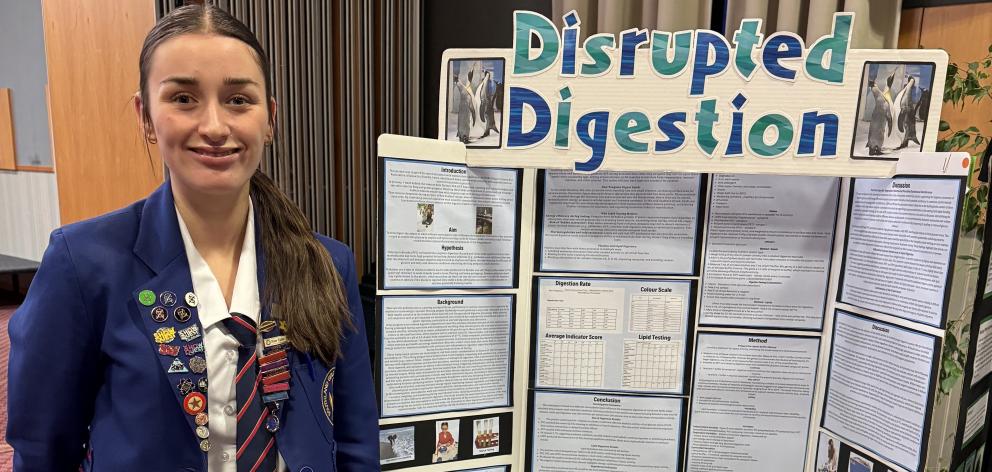
Sophie Ineson, a 17-year-old student from New Zealand, has been chosen to represent her country at the International Science and Engineering Fair in the United States scheduled for May 2024. Her project, titled Disrupted Digestion, was one of only two selected by judges from Royal Society Te Apārangi out of seven entries submitted by students from years 11, 12, and 13 across regional science fairs in New Zealand.
Last month, Sophie also received the $50,000 Prime Minister’s Space Prize for Student Endeavour for a separate project focused on wound healing in space. She described her recent achievements as “phenomenal” and expressed gratitude for the opportunity to participate in the international fair, stemming from her earlier work involving penguins for the Duke of Edinburgh’s Hillary Award gold award.
Inspiration Behind the Research
Sophie’s interest in studying the impact of plastic on penguin digestion arose after witnessing a sick penguin at a sanctuary a few years ago. “Penguins are also my favourite animal, so that really hit hard for me, looking at this poor little penguin who could hardly even walk, just because of eating a little tiny bit of plastic,” she said.
Her awareness of environmental issues deepened after participating in a Spirit of Adventure sailing trip last year, where she observed the significant amount of plastic pollution in the Hauraki Gulf. “I think that some people may not even consider how much of an impact maybe their plastic straw or just not disposing of the waste properly has on the penguins,” she added.
Research Findings and Mentorship
In her research, Sophie experimented with how various types of plastics affected the enzymes found in king penguins’ stomachs. She focused on using enzymes such as lipase and amylase that were accessible and safe for her to handle. Her findings indicated that plastics indeed interfered with digestion, with the extent of interference varying based on the size, density, and chemical composition of the plastic.
To prepare for the international competition, a member of the Royal Society’s scientific review committee will mentor Sophie, guiding her in refining her project. Dame Jane Harding, president of Royal Society Te Apārangi, praised the importance of science fairs, stating that they challenge and inspire students to achieve excellence. “Science and technology fairs offer students valuable opportunities to apply scientific investigation to real-world problems, while strengthening their critical thinking, creativity, and communication skills,” she remarked.
Sophie Ineson’s journey emphasizes not only her dedication to scientific inquiry but also her commitment to raising awareness about environmental issues affecting wildlife. As she prepares for the international stage, her work stands as a testament to the impact young scientists can have on both their communities and the planet.








New Zealand Student Sophie Ineson Selected for US Science Fair

Special Olympics Summer Games Spotlighted by CEO Fran Scholey

New Zealand Powerball Jackpot Hits $15 Million Tonight

Authorities Search for Johnny South, Advise Public to Stay Away

Westpac Increases Fixed Mortgage Rates Despite OCR Cut

Irish Lottery Scheme Unveils Ambitious Attempt to Beat the Odds

QMMF Evaluates Drivers for Qatar National Team Selection

Parents Rally After School Cancels Funded Trip, $17,000 at Stake

Nicola Willis and Ruth Richardson Set for High-Stakes Debate

Private Funeral Held for Dean Field and His Three Children

Funeral Planned for Field Siblings After Tragic House Fire

Netball New Zealand Stands Down Dame Noeline Taurua for Series

Tributes Pour In for Lachlan Rofe, Reality Star, Dead at 47

New ‘Maverick’ Chaser Joins Beat the Chasers Season Finale

Silver Ferns Legend Laura Langman Criticizes Team’s Attitude

Eli Katoa Rushed to Hospital After Sideline Incident During Match

Investigation Underway in Tragic Sanson House Fire Involving Family

Netball NZ Calls for Respect Amid Dame Taurua’s Standoff
-
 World2 weeks ago
Private Funeral Held for Dean Field and His Three Children
-
 Top Stories3 weeks ago
Funeral Planned for Field Siblings After Tragic House Fire
-
 Sports3 months ago
Netball New Zealand Stands Down Dame Noeline Taurua for Series
-
 Entertainment3 months ago
Tributes Pour In for Lachlan Rofe, Reality Star, Dead at 47
-
 Entertainment2 months ago
New ‘Maverick’ Chaser Joins Beat the Chasers Season Finale
-
 Sports3 months ago
Silver Ferns Legend Laura Langman Criticizes Team’s Attitude
-
 Sports1 month ago
Eli Katoa Rushed to Hospital After Sideline Incident During Match
-
 World3 weeks ago
Investigation Underway in Tragic Sanson House Fire Involving Family
-
 Politics2 months ago
Netball NZ Calls for Respect Amid Dame Taurua’s Standoff
-

 Top Stories3 weeks ago
Shock and Grief Follow Tragic Family Deaths in New Zealand
-

 Entertainment3 months ago
Khloe Kardashian Embraces Innovative Stem Cell Therapy in Mexico
-

 World4 months ago
Police Arrest Multiple Individuals During Funeral for Zain Taikato-Fox