
World
Gisborne Faces 55% Surge in Illegal Flytipping Costs

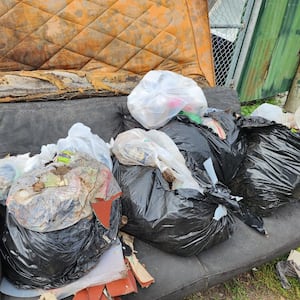
Illegal dumping in Gisborne has reached alarming levels, with the volume of rubbish disposed of improperly soaring to a record high of 1,200 tonnes in the past year. This figure represents an increase of nearly 55% compared to the previous year, equivalent to the weight of approximately 600 cars. The issue has significantly affected the city’s streets, beaches, and parks, which have at times been littered with a disturbing array of waste, including animal carcasses, mattresses, syringes, and refrigerators.
While the problem of illegal dumping is pervasive throughout the area, a startling 94% of the costs incurred by the Gisborne District Council stem from rubbish left outside the city’s Waste Management transfer station. According to the council’s solid waste manager, Phil Nickerson, the annual expenses associated with this waste amounted to $570,000 as of October.
Understanding the Challenge
A significant portion of the rubbish that ends up at the transfer station’s gates is stickered, indicating that it has been paid for. However, many individuals mistakenly believe that the crates at the gate serve as an after-hours service, leading to improper disposal. Approximately 20% of the waste left at the gate falls into this category, highlighting a lack of understanding among residents regarding proper waste disposal procedures.
The surge in illegal dumping not only has financial implications for the council but also poses environmental risks. The presence of hazardous materials, such as syringes and animal carcasses, threatens local wildlife and public health. The council is now faced with the dual challenge of managing the costs associated with the cleanup and raising awareness about responsible waste disposal among residents.
Community Response and Future Measures
In response to this growing issue, the Gisborne District Council is considering implementing measures aimed at reducing illegal dumping. Initiatives may include public education campaigns to inform residents about proper waste disposal practices and the consequences of illegal dumping.
Additionally, the council may explore enhanced surveillance and reporting mechanisms to deter potential offenders. By addressing the root causes of this problem, Gisborne hopes to not only reduce the volume of illegal dumping but also foster a greater sense of community responsibility towards the environment.
As the situation continues to evolve, the council remains committed to finding solutions that protect both the local environment and the city’s financial resources.













Health NZ Supports Pharmacists in Addressing Prescription Errors

Graeme Dingle Foundation Shuts Southern Branch, Impact on Youth Felt

Waikato Officer Jacob Collins Ends Name Suppression Fight After Conviction

New Zealand Student to Showcase Innovative Research at US Science Fair

Special Olympics Summer Games Kick Off in Christchurch Tonight

Gisborne Faces 55% Surge in Illegal Flytipping Costs

Residents Raise Alarm Over Plastic Plant Guards in Ashburton Waterways

$30 Million Luxury Department Store to Transform Queen St, Auckland

News Fix: Key Updates Across News, Politics, and Sports

Private Funeral Held for Dean Field and His Three Children

Funeral Planned for Field Siblings After Tragic House Fire

Netball New Zealand Stands Down Dame Noeline Taurua for Series

Tributes Pour In for Lachlan Rofe, Reality Star, Dead at 47

New ‘Maverick’ Chaser Joins Beat the Chasers Season Finale

Silver Ferns Legend Laura Langman Criticizes Team’s Attitude

Eli Katoa Rushed to Hospital After Sideline Incident During Match

Investigation Underway in Tragic Sanson House Fire Involving Family

Netball NZ Calls for Respect Amid Dame Taurua’s Standoff
-
 World2 weeks ago
Private Funeral Held for Dean Field and His Three Children
-
 Top Stories3 weeks ago
Funeral Planned for Field Siblings After Tragic House Fire
-
 Sports3 months ago
Netball New Zealand Stands Down Dame Noeline Taurua for Series
-
 Entertainment3 months ago
Tributes Pour In for Lachlan Rofe, Reality Star, Dead at 47
-
 Entertainment2 months ago
New ‘Maverick’ Chaser Joins Beat the Chasers Season Finale
-
 Sports3 months ago
Silver Ferns Legend Laura Langman Criticizes Team’s Attitude
-
 Sports1 month ago
Eli Katoa Rushed to Hospital After Sideline Incident During Match
-
 World3 weeks ago
Investigation Underway in Tragic Sanson House Fire Involving Family
-
 Politics2 months ago
Netball NZ Calls for Respect Amid Dame Taurua’s Standoff
-

 Top Stories3 weeks ago
Shock and Grief Follow Tragic Family Deaths in New Zealand
-

 Entertainment3 months ago
Khloe Kardashian Embraces Innovative Stem Cell Therapy in Mexico
-

 World4 months ago
Police Arrest Multiple Individuals During Funeral for Zain Taikato-Fox