
World
Government Supports Local Seafarers, Rejects Foreign Replacement

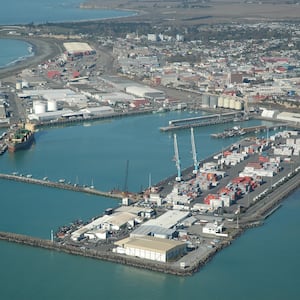
The New Zealand Government has taken decisive action to protect local seafarers in Timaru by rejecting an application from NovaAlgoma Cement Carriers (NACC) to operate a foreign-flagged vessel. Associate Transport Minister and local Member of Parliament, James Meager, declined the request to replace the Timaru-based MV Buffalo with the Panamanian-flagged NACC Vega, which would have left the local crew unemployed just weeks before the Christmas holiday.
The decision comes after concerns were raised about the potential redundancy of the entire crew of the MV Buffalo, a vessel integral to the movement of Holcim cement along the New Zealand coast. The application sought an exemption under Section 198 of the Maritime Transport Act, which would have allowed the foreign vessel to operate in New Zealand waters. The rejection of this application is seen as a significant victory for local maritime workers.
Local seafarers had expressed alarm over the prospect of losing their jobs to overseas workers. The Maritime Union of New Zealand (MUNZ) praised the minister’s decision, stating it reflects a commitment to protecting local jobs and supporting the maritime industry in New Zealand.
Impacts on Local Employment and Industry
The MV Buffalo has been a vital asset for transporting cement, and its crew members are essential to the operational continuity of Holcim’s logistics. MUNZ has consistently advocated for the rights of local workers, arguing that allowing foreign crews to operate in New Zealand would undermine local employment standards and maritime safety.
The rejection of the NACC’s application is significant not only for the crew of the MV Buffalo but also for the wider maritime community in New Zealand. By prioritizing local employment, the government aims to strengthen the maritime sector and ensure that local seafarers have job security during challenging times for the industry.
While the current decision provides relief for local workers, the situation raises broader questions about the future of the maritime industry in New Zealand. Stakeholders within the sector will be watching closely to see if this decision influences future applications for foreign-flagged vessels operating in New Zealand waters.
As the country navigates the complexities of global trade and local employment, the government’s stance sends a clear message about the value placed on local jobs and the importance of maintaining a sustainable maritime workforce.










Residents Raise Alarm Over Plastic Plant Guards in Ashburton Waterways

$30 Million Luxury Department Store to Transform Queen St, Auckland

News Fix: Key Updates Across News, Politics, and Sports

Health Warning Issued as Toxic Algal Bloom Hits Tukituki River

King’s High School Celebrates Academic Excellence with 2025 Awards

Countess Spencer Cleared of Liability in Health Leak Case

Wellington’s Heritage Properties Sold at Tender Amid Strong Interest

BNZ Highlights Alarming Cyber Security Gaps in SMEs

Dan Wootton and Piers Morgan Clash in Heated Online Debate

Private Funeral Held for Dean Field and His Three Children

Funeral Planned for Field Siblings After Tragic House Fire

Netball New Zealand Stands Down Dame Noeline Taurua for Series

Tributes Pour In for Lachlan Rofe, Reality Star, Dead at 47

New ‘Maverick’ Chaser Joins Beat the Chasers Season Finale

Silver Ferns Legend Laura Langman Criticizes Team’s Attitude

Eli Katoa Rushed to Hospital After Sideline Incident During Match

Netball NZ Calls for Respect Amid Dame Taurua’s Standoff

Investigation Underway in Tragic Sanson House Fire Involving Family
-
 World2 weeks ago
Private Funeral Held for Dean Field and His Three Children
-
 Top Stories3 weeks ago
Funeral Planned for Field Siblings After Tragic House Fire
-
 Sports3 months ago
Netball New Zealand Stands Down Dame Noeline Taurua for Series
-
 Entertainment3 months ago
Tributes Pour In for Lachlan Rofe, Reality Star, Dead at 47
-
 Entertainment2 months ago
New ‘Maverick’ Chaser Joins Beat the Chasers Season Finale
-
 Sports3 months ago
Silver Ferns Legend Laura Langman Criticizes Team’s Attitude
-
 Sports1 month ago
Eli Katoa Rushed to Hospital After Sideline Incident During Match
-
 Politics2 months ago
Netball NZ Calls for Respect Amid Dame Taurua’s Standoff
-
 World3 weeks ago
Investigation Underway in Tragic Sanson House Fire Involving Family
-

 Top Stories3 weeks ago
Shock and Grief Follow Tragic Family Deaths in New Zealand
-

 Entertainment3 months ago
Khloe Kardashian Embraces Innovative Stem Cell Therapy in Mexico
-

 World4 months ago
Police Arrest Multiple Individuals During Funeral for Zain Taikato-Fox