
Politics
Supreme Court Weighs Execution Case of Intellectually Disabled Man

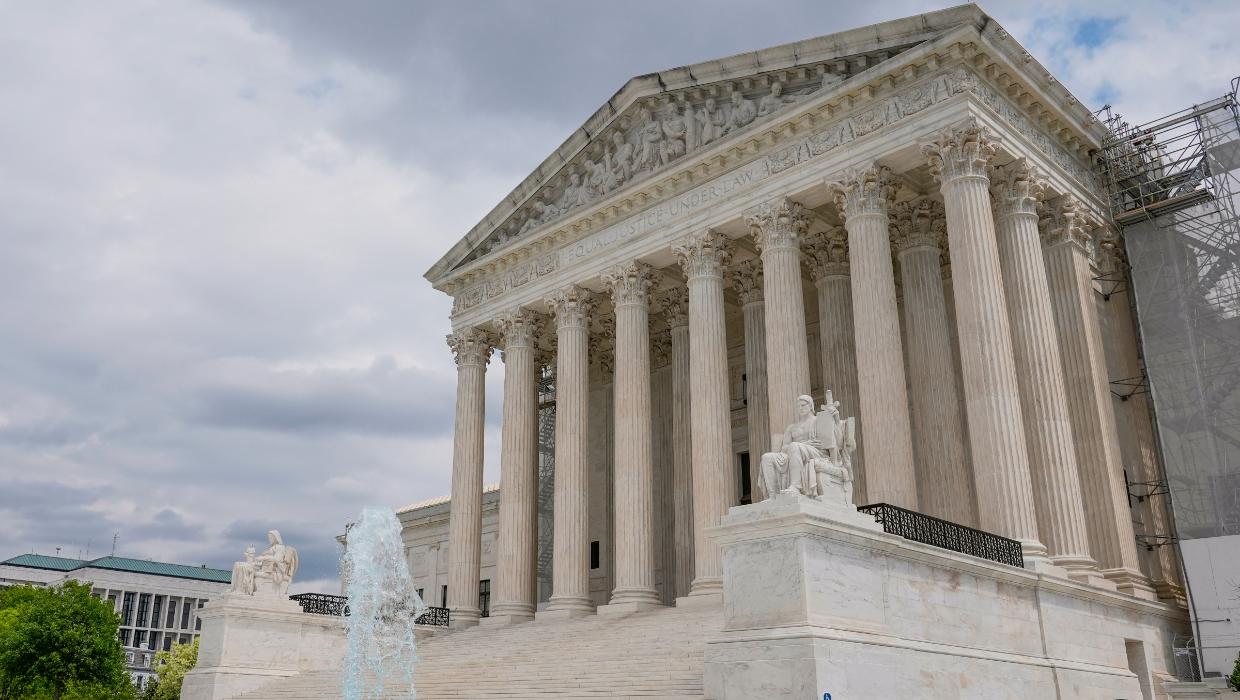
The US Supreme Court is deliberating a contentious case regarding the execution of a man deemed intellectually disabled by lower federal courts. The court heard arguments on March 5, 2024, in an appeal from the state of Alabama, which seeks to proceed with the death penalty for Kenneth Eugene Smith. This case raises significant questions about the application of the death penalty under the United States Constitution.
During the two-hour session, justices expressed concerns over the implications of executing individuals with intellectual disabilities. This follows a previous ruling in Ford v. Wainwright, which established that the execution of individuals who cannot comprehend their punishment violates constitutional protections.
Several justices questioned Alabama’s reliance on contested assessments of Smith’s cognitive abilities. The justices pondered the criteria used to determine intellectual disability, specifically focusing on the validity and reliability of the tests administered. The state argues that Smith’s disability should not preclude execution, citing legal precedents that have permitted execution under certain circumstances.
The American Civil Liberties Union (ACLU) and other advocacy groups have rallied around Smith, asserting that executing someone with intellectual disabilities is both inhumane and unconstitutional. “This case is not just about Kenneth Smith; it concerns the fundamental principles of justice and fairness in our legal system,” remarked an ACLU representative.
Alabama’s stance, which aims to uphold the sentence, faces scrutiny from various legal and ethical perspectives. The justices are tasked with determining whether the state’s arguments sufficiently justify the death penalty for Smith, who has spent over two decades on death row. The outcome could have far-reaching implications for similar cases across the country.
As deliberations continue, legal experts and advocates are keeping a close watch on the Supreme Court’s decision. The ruling has the potential to redefine the legal landscape surrounding the death penalty and intellectual disability in the United States.
The Supreme Court’s decision is expected to be issued later this year, potentially impacting not only Smith’s fate but also the broader conversation surrounding capital punishment and its ethical ramifications. The stakes are high, and the national discourse on this issue is likely to intensify as the court’s ruling approaches.













Cancer Diagnoses in New Zealand Expected to Surge by 50% by 2043

Ten Southerners Named Semifinalists for 2026 Kiwibank Awards

Supreme Court Weighs Execution Case of Intellectually Disabled Man

All Blacks Winger Sevu Reece Signs with French Club for New Challenge

Uber Ratings Show Napier and Hastings Passengers at Bottom

Virginia Fisher Downsizes Luxury Home; Megan Jaffe Moves On

Dunedin Community Christmas Dinner Offers Free Feast on December 25

St John Ambulance Achieves Milestone Journey to Dunedin

Former Black Cap Hamish Rutherford Inspires Students with Cricket Skills

Private Funeral Held for Dean Field and His Three Children

Funeral Planned for Field Siblings After Tragic House Fire

Netball New Zealand Stands Down Dame Noeline Taurua for Series

Tributes Pour In for Lachlan Rofe, Reality Star, Dead at 47

New ‘Maverick’ Chaser Joins Beat the Chasers Season Finale

Silver Ferns Legend Laura Langman Criticizes Team’s Attitude

Eli Katoa Rushed to Hospital After Sideline Incident During Match

Investigation Underway in Tragic Sanson House Fire Involving Family

Netball NZ Calls for Respect Amid Dame Taurua’s Standoff
-
 World2 weeks ago
Private Funeral Held for Dean Field and His Three Children
-
 Top Stories3 weeks ago
Funeral Planned for Field Siblings After Tragic House Fire
-
 Sports3 months ago
Netball New Zealand Stands Down Dame Noeline Taurua for Series
-
 Entertainment3 months ago
Tributes Pour In for Lachlan Rofe, Reality Star, Dead at 47
-
 Entertainment2 months ago
New ‘Maverick’ Chaser Joins Beat the Chasers Season Finale
-
 Sports3 months ago
Silver Ferns Legend Laura Langman Criticizes Team’s Attitude
-
 Sports1 month ago
Eli Katoa Rushed to Hospital After Sideline Incident During Match
-
 World3 weeks ago
Investigation Underway in Tragic Sanson House Fire Involving Family
-
 Politics2 months ago
Netball NZ Calls for Respect Amid Dame Taurua’s Standoff
-

 Top Stories3 weeks ago
Shock and Grief Follow Tragic Family Deaths in New Zealand
-

 Entertainment3 months ago
Khloe Kardashian Embraces Innovative Stem Cell Therapy in Mexico
-

 World4 months ago
Police Arrest Multiple Individuals During Funeral for Zain Taikato-Fox