
Politics
Trump’s Shift from Europe Sparks Concerns Over Security

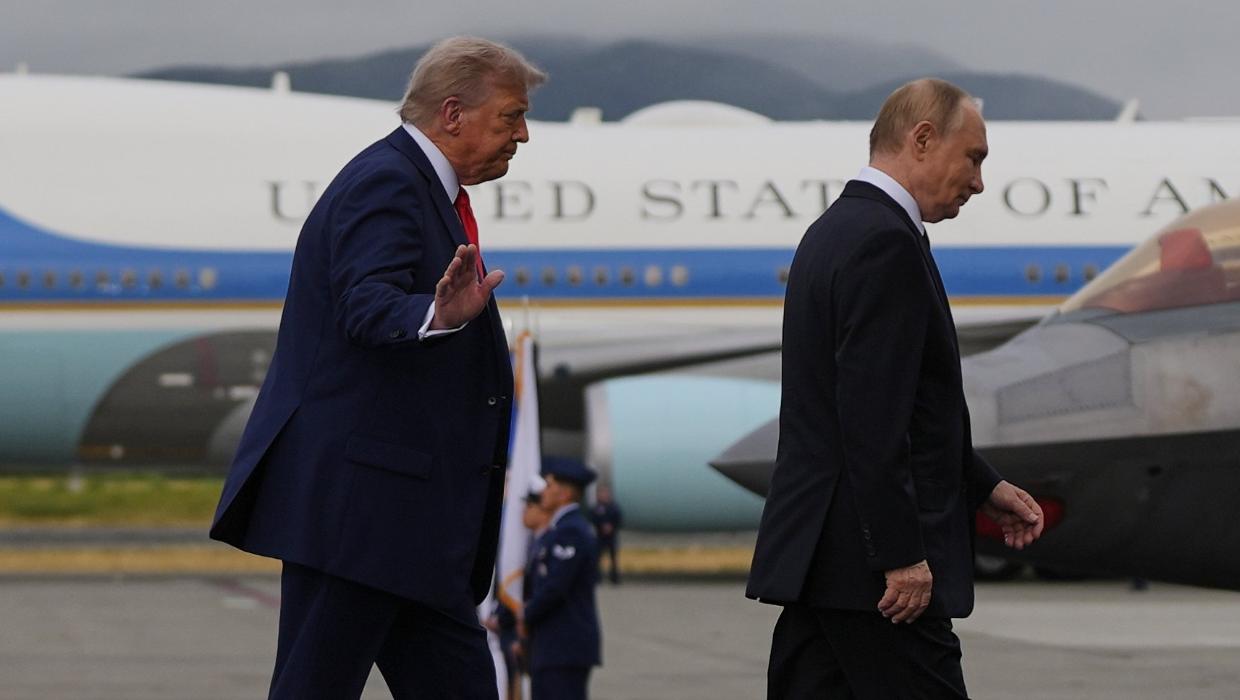
In a significant shift in policy, former President Donald Trump has publicly distanced himself from European allies, a move that has sparked alarm regarding the future of transatlantic relations. Trump’s remarks during a rally on March 15, 2024, suggested a growing indifference towards the security concerns of Europe, particularly in light of ongoing tensions related to Russia and its actions in Ukraine.
Trump’s criticisms of the European Union and NATO came as a surprise to many, especially given the historical context of American support for these institutions. During his speech, he asserted that Europe should take greater responsibility for its own defense, indicating a potential withdrawal of American commitment to European security. This perspective appears to align with the interests of Vladimir Putin, who has long sought to undermine Western unity.
The implications of Trump’s statements are significant. Analysts warn that a lack of American leadership could embolden Russia to act more aggressively in Eastern Europe. The former President’s comments reflect a broader skepticism towards multilateral alliances that has emerged in recent years, raising questions about the future of Western cooperation in the face of external threats.
As Trump’s rhetoric gains traction, European leaders are expressing deep concern. Countries like Germany and France have historically relied on America as a stabilizing force against potential aggression from the East. The notion that the United States might retreat from its role as a leader in global security is a troubling prospect for many in Europe.
In light of these developments, the potential for increased military spending by European nations is becoming a reality. European leaders are already discussing plans to bolster their own defense capabilities in response to the perceived shift in American policy. This could lead to a significant reallocation of resources within the European defense sector, as nations prepare to face new challenges without the backing of the United States.
Furthermore, the timing of Trump’s statements coincides with ongoing negotiations within NATO regarding defense spending targets. The alliance has set a goal for member states to allocate at least 2% of their GDP to defense by 2024. The uncertainty surrounding American support may pressure European countries to accelerate their compliance with this target.
The ripple effects of Trump’s comments extend beyond military considerations. Economically, a fractured relationship between the United States and Europe could have dire consequences for global markets. As the world’s largest economy, the U.S. plays a crucial role in maintaining stability in international trade. A decline in transatlantic cooperation could hinder economic growth on both sides of the Atlantic.
Public opinion in Europe reflects a growing unease with the trajectory of U.S. foreign policy. Recent polls indicate that a majority of Europeans believe the United States is becoming less reliable as a partner. This sentiment could complicate diplomatic relations moving forward, particularly as issues such as climate change and trade require coordinated action.
In conclusion, Trump’s recent remarks signify a pivotal moment for U.S.-European relations. The potential weakening of alliances that have shaped international security for decades poses challenges not only for Europe but for global stability as a whole. As Europe grapples with these changes, the world watches closely, aware that the consequences of this shift may reverberate far beyond the continent.










Essential Camping Checklist: Key Items to Remember for Family Trips

Prada Launches Limited-Edition Kolhapuri Sandals in India

Israel Conducts Drone Strike, Eliminates Hamas Deputy Leader

Eamon Wood’s Inspiring Journey from Adversity to Athletic Triumph

Police Locate Escaped Teen Following Helicopter Search in Rolleston

Podcasters Critique Classic Kiwi Christmas Desserts

Charities Face Rising Needs as Cash Donations Decline This Christmas

Gardening Experts Tackle Mealybugs and Bronze Beetles on Podcast

Kiwi Boxer David Nyika Honors Fiancée Battling Cancer

Private Funeral Held for Dean Field and His Three Children

Funeral Planned for Field Siblings After Tragic House Fire

Netball New Zealand Stands Down Dame Noeline Taurua for Series

Tributes Pour In for Lachlan Rofe, Reality Star, Dead at 47

New ‘Maverick’ Chaser Joins Beat the Chasers Season Finale

Silver Ferns Legend Laura Langman Criticizes Team’s Attitude

Eli Katoa Rushed to Hospital After Sideline Incident During Match

Netball NZ Calls for Respect Amid Dame Taurua’s Standoff

Investigation Underway in Tragic Sanson House Fire Involving Family
-
 World3 weeks ago
Private Funeral Held for Dean Field and His Three Children
-
 Top Stories3 weeks ago
Funeral Planned for Field Siblings After Tragic House Fire
-
 Sports3 months ago
Netball New Zealand Stands Down Dame Noeline Taurua for Series
-
 Entertainment3 months ago
Tributes Pour In for Lachlan Rofe, Reality Star, Dead at 47
-
 Entertainment2 months ago
New ‘Maverick’ Chaser Joins Beat the Chasers Season Finale
-
 Sports3 months ago
Silver Ferns Legend Laura Langman Criticizes Team’s Attitude
-
 Sports1 month ago
Eli Katoa Rushed to Hospital After Sideline Incident During Match
-
 Politics2 months ago
Netball NZ Calls for Respect Amid Dame Taurua’s Standoff
-
 World4 weeks ago
Investigation Underway in Tragic Sanson House Fire Involving Family
-

 Entertainment1 week ago
Jacinda Ardern Discusses Popularity Decline on Graham Norton Show
-

 Sports2 weeks ago
Eli Katoa Shares Positive Recovery Update After Brain Surgery
-

 Top Stories3 weeks ago
Shock and Grief Follow Tragic Family Deaths in New Zealand