
Science
Researchers Uncover Mysterious Parasitic Worms Turning Spiders into ‘Zombies’

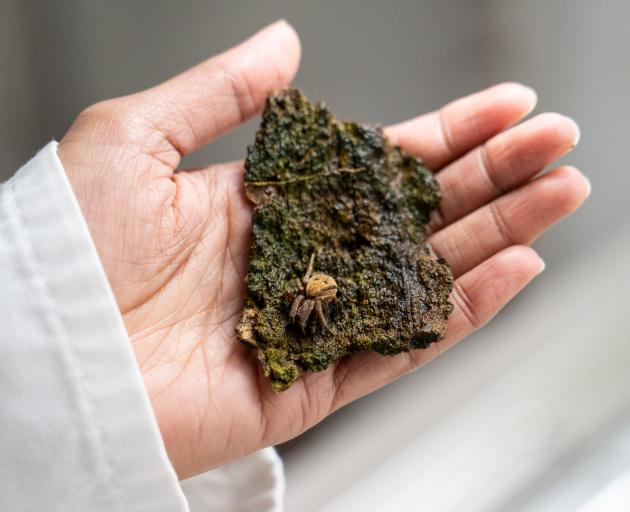
A fascinating study at Lincoln University is revealing the unsettling relationship between spiders and parasitic worms known as mermithids. PhD student Usha Mendis is dedicated to understanding how these nematodes transform spiders into what can only be described as mindless “zombies,” raising significant concerns about the implications for local ecosystems in New Zealand.
Mermithids infect various invertebrates, including caddisflies, mayflies, and grasshoppers, as well as many of New Zealand’s endemic spider species. Mendis highlights the potential ecological consequences, noting that over 90% of the spider species in New Zealand are endemic. “If something were to happen to them, it would not be good for our biodiversity,” she stated.
The process by which these worms take control of their hosts is both slow and fatal for the spider. As Mendis explains, the infected spiders exhibit physical changes, often developing abnormal features such as enlarged limbs and swollen abdomens. “They look like zombies,” she remarked, emphasizing the dramatic transformation that occurs. Although not all infected spiders show visible signs until after death, those that do can appear distinctly altered.
Understanding the lifecycle of these parasitic worms presents challenges for researchers. While it is known that the nematodes emerge from the spider’s body upon its death, the method by which they initially infiltrate their host remains a mystery. Mendis is focused on uncovering this aspect of their biology. She explains that the nematodes rely on spiders for energy and nutrients as they grow within their hosts.
To facilitate their reproduction, the worms drive the spiders towards moisture, resulting in many spiders being found drowned. This behavior not only poses a threat to the spiders but also disrupts the ecological balance they help maintain. “Spiders hold a special place in the food chain,” Mendis noted, indicating that their demise could have cascading effects on other species.
In her research, Mendis is employing water traps to collect these nematodes, aiming to deepen the understanding of their lifecycle. It has only been 35 years since mermithids were first documented in New Zealand, and Mendis emphasizes that there is still much to learn about their interaction with local spider populations.
Amidst her scientific inquiries, Mendis urges the public to reconsider their perception of spiders. “They may look disruptive and creepy, but they’re not the enemy,” she said. Recognizing the challenges spiders face, particularly from parasitic infections, is essential in appreciating their role in maintaining ecological harmony.
As research continues, the findings may shed light on the broader implications of parasitic relationships in nature, contributing to the understanding of biodiversity and ecosystem health in New Zealand and beyond.










Alex McInnes Claims Moto Title as Qatar Off-Road Championship Concludes

Test Your Vocabulary: Can You Solve Today’s Challenging Word?

Ngira Simmonds Questions Leadership at Te Pāti Māori AGM

Researcher Develops Innovative Device for Early Cancer Detection

Black Ferns Sevens Claim Final Spot, All Blacks Sevens Fall Short

Auckland’s Family Violence Refuge Faces Overwhelming Demand

Ladies’ Lunches: A Simple Recipe for Stress Relief and Joy

Discover the Joy of Ladies’ Lunch Dates for Mental Wellness

Prince Harry Playfully Compares Royal Life to ‘Downton Abbey’

Private Funeral Held for Dean Field and His Three Children

Funeral Planned for Field Siblings After Tragic House Fire

Netball New Zealand Stands Down Dame Noeline Taurua for Series

Tributes Pour In for Lachlan Rofe, Reality Star, Dead at 47

New ‘Maverick’ Chaser Joins Beat the Chasers Season Finale

Silver Ferns Legend Laura Langman Criticizes Team’s Attitude

Eli Katoa Rushed to Hospital After Sideline Incident During Match

Investigation Underway in Tragic Sanson House Fire Involving Family

Netball NZ Calls for Respect Amid Dame Taurua’s Standoff
-
 World2 weeks ago
Private Funeral Held for Dean Field and His Three Children
-
 Top Stories2 weeks ago
Funeral Planned for Field Siblings After Tragic House Fire
-
 Sports3 months ago
Netball New Zealand Stands Down Dame Noeline Taurua for Series
-
 Entertainment3 months ago
Tributes Pour In for Lachlan Rofe, Reality Star, Dead at 47
-
 Entertainment2 months ago
New ‘Maverick’ Chaser Joins Beat the Chasers Season Finale
-
 Sports3 months ago
Silver Ferns Legend Laura Langman Criticizes Team’s Attitude
-
 Sports1 month ago
Eli Katoa Rushed to Hospital After Sideline Incident During Match
-
 World3 weeks ago
Investigation Underway in Tragic Sanson House Fire Involving Family
-
 Politics2 months ago
Netball NZ Calls for Respect Amid Dame Taurua’s Standoff
-

 Top Stories2 weeks ago
Shock and Grief Follow Tragic Family Deaths in New Zealand
-

 Entertainment3 months ago
Khloe Kardashian Embraces Innovative Stem Cell Therapy in Mexico
-

 World4 months ago
Police Arrest Multiple Individuals During Funeral for Zain Taikato-Fox