
Science
Study Reveals Impact of Technical Glitches on Video Call Perceptions

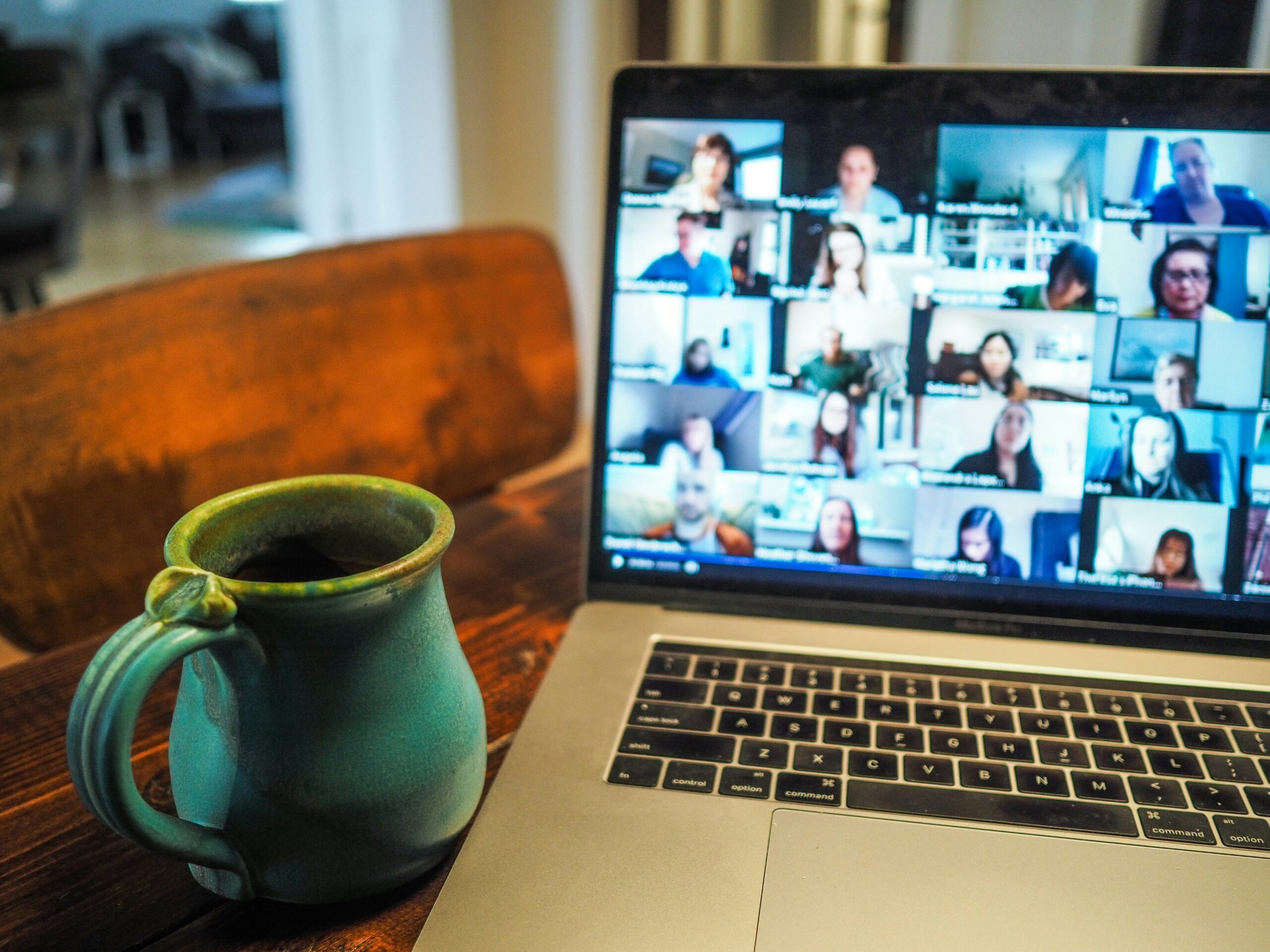
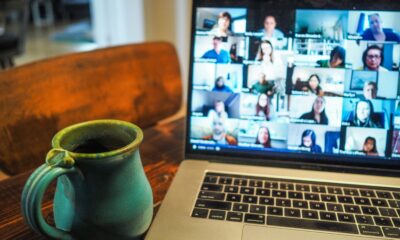
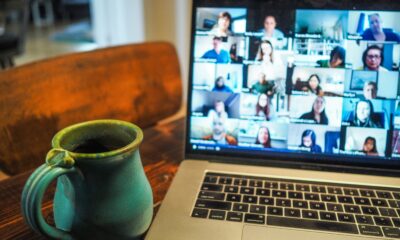
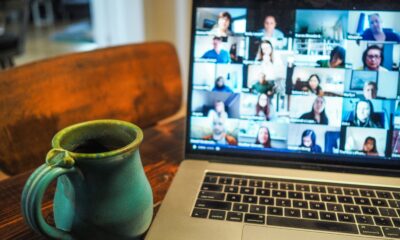
Small technical glitches during video calls can significantly alter how individuals perceive and judge one another, according to a recent study conducted by researchers at Cornell University and published in the journal Nature. The findings indicate that even minor disruptions in sound or image can create feelings of discomfort, which in turn negatively influences interpersonal evaluations.
The study highlights the unforeseen consequences of technological interruptions, specifically in various high-stakes scenarios. For instance, disruptions during a video consultation can undermine trust in healthcare professionals, affect the outcome of job interviews, and even influence decisions regarding parole. Notably, in Kentucky, individuals participating in video parole hearings experienced a 12% lower likelihood of being granted parole if their call encountered technical interference, irrespective of the nature of their offense.
Implications for Social Equality
Jacqueline Rifkin, one of the authors of the study, expressed concern over the potential for video calls to exacerbate existing social inequalities. “It’s supposed to be the great equalizer, it’s going to get everybody on the same page — and in a lot of ways, that’s true,” she stated in a press release. “But then there’s this other side: What about the people who don’t have great internet service, and what sorts of opportunities are they missing out on?”
The research underscores the irony in the widespread belief that digital communication platforms promote equal access and opportunity. Instead, the findings suggest that those with limited access to reliable internet may inadvertently face disadvantages that affect their social and professional interactions.
As remote communication continues to play a vital role in various aspects of life, from healthcare to employment, the implications of this study warrant careful consideration. The evidence suggests that even minor technical issues can lead to significant biases, which may further entrench existing social disparities in critical areas.
In summary, while video calls have been heralded as tools of democratization, this research raises important questions about their actual impact on trust and equality in society. The findings serve as a reminder of the need for improved digital infrastructure and equitable access to technology, ensuring that all individuals can participate fully and fairly in an increasingly virtual world.





Minor Video Call Glitches Lead to Major Perception Issues

Liverpool’s Mo Salah Seeks Return After Discontent at Club

King Charles Highlights Cancer Journey and Early Screening Importance

Luxury Beach Homes in Coromandel Peninsula Drive High Demand

Coromandel Beach Properties Surge in Demand as Buyers Seek Luxury

Sheriff Mark Mitchell Faces Controversy Over Discrepancies

Minor Video Call Glitches Severely Impact Perception and Trust

Hayden Wilde Wins First World Title, Earns Significant Cash Bonus

Auckland Unveils Stunning Artwork at Waitematā Station Plaza

Private Funeral Held for Dean Field and His Three Children

Funeral Planned for Field Siblings After Tragic House Fire

Netball New Zealand Stands Down Dame Noeline Taurua for Series

Tributes Pour In for Lachlan Rofe, Reality Star, Dead at 47

New ‘Maverick’ Chaser Joins Beat the Chasers Season Finale

Silver Ferns Legend Laura Langman Criticizes Team’s Attitude

Eli Katoa Rushed to Hospital After Sideline Incident During Match

Netball NZ Calls for Respect Amid Dame Taurua’s Standoff

Investigation Underway in Tragic Sanson House Fire Involving Family
-
 World3 weeks ago
Private Funeral Held for Dean Field and His Three Children
-
 Top Stories3 weeks ago
Funeral Planned for Field Siblings After Tragic House Fire
-
 Sports3 months ago
Netball New Zealand Stands Down Dame Noeline Taurua for Series
-
 Entertainment3 months ago
Tributes Pour In for Lachlan Rofe, Reality Star, Dead at 47
-
 Entertainment2 months ago
New ‘Maverick’ Chaser Joins Beat the Chasers Season Finale
-
 Sports3 months ago
Silver Ferns Legend Laura Langman Criticizes Team’s Attitude
-
 Sports1 month ago
Eli Katoa Rushed to Hospital After Sideline Incident During Match
-
 Politics2 months ago
Netball NZ Calls for Respect Amid Dame Taurua’s Standoff
-
 World4 weeks ago
Investigation Underway in Tragic Sanson House Fire Involving Family
-

 Entertainment7 days ago
Jacinda Ardern Discusses Popularity Decline on Graham Norton Show
-

 Top Stories3 weeks ago
Shock and Grief Follow Tragic Family Deaths in New Zealand
-
 Sports2 weeks ago
Eli Katoa Shares Positive Recovery Update After Brain Surgery