
Politics
How to Tactfully Address Holiday Food Disputes

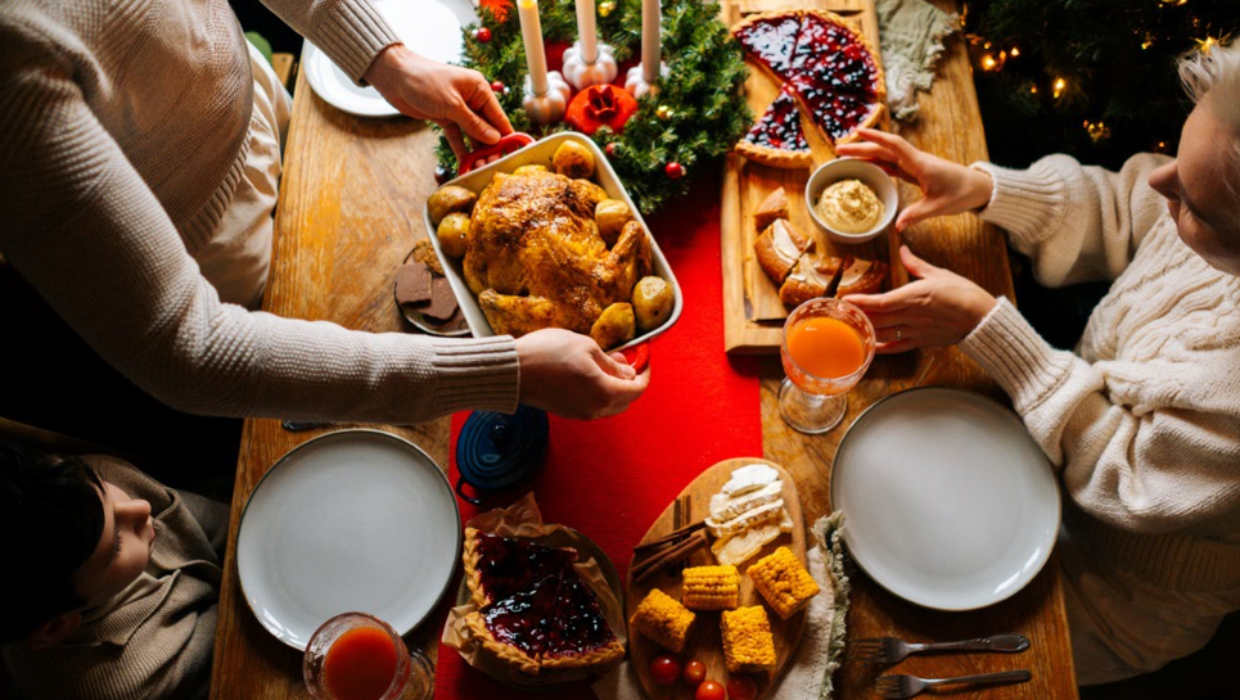
The holiday season often brings joy and togetherness, but it can also create challenges, particularly regarding food choices and preparation. A common issue arises when relatives insist on contributing dishes to festive meals despite lacking cooking skills. This scenario can lead to awkward situations, especially when preferences for quality and taste differ.
Many families encounter similar dilemmas during Christmas celebrations. In one case, a family member, who cannot cook, feels compelled to bring food to gatherings. This insistence can create tension among relatives who prefer to enjoy well-prepared dishes. Consequently, addressing this situation requires sensitive communication strategies.
Understanding the Impact of Family Dynamics
Family dynamics play a significant role in holiday traditions. Food often serves as a symbol of love and care. However, when contributions do not meet expectations, it can lead to frustration. The pressure to maintain harmony can make it difficult to express concerns openly. Families may struggle with how to convey their feelings without hurting their relative’s sentiments.
Effective communication is essential in these situations. Approaching the relative with kindness and empathy can help ease potential tensions. Families might consider discussing food preferences ahead of time, suggesting that they coordinate contributions to ensure a variety of dishes that everyone can enjoy.
Strategies for Open Communication
When addressing this issue, it is crucial to frame the conversation positively. Instead of outrightly refusing the relative’s contributions, families could express appreciation for their willingness to participate. For instance, suggesting that the relative bring drinks or desserts instead of main dishes can redirect their enthusiasm while maintaining the spirit of inclusion.
Another option is to offer assistance in the kitchen. Inviting the relative to cook alongside a more experienced family member could enhance their skills while ensuring that the food meets the group’s standards. This approach can foster a sense of collaboration, transforming the gathering into a shared experience.
In addition to verbal communication, utilizing technology can be beneficial. Family group chats can serve as platforms for discussing meal plans and preferences. Such discussions can facilitate a more structured approach to contributions without singling anyone out.
Ultimately, the goal is to maintain a festive atmosphere while ensuring that food reflects the family’s shared values and tastes. With thoughtful communication and a collaborative spirit, families can navigate these challenges gracefully, creating a memorable holiday experience for everyone involved.
As families come together this Christmas, addressing food contributions with care and consideration can prevent misunderstandings and enhance the joy of the season.

Qatar Off-Road Championship Concludes with Thrilling Title Races

Marco Carter Named Head Boy at School, Celebrated on Social Media

How to Tactfully Address Holiday Food Disputes

CJ Bott Faces New Challenges After Returning to Wellington

Napier Upgrades Park Island with $2.6M Underground Power Project

iCare Botany Optometrists Rebrands to Emphasize Client Care

Engage Your Mind: Solve Today’s Challenging Word Puzzle

Green Party Demands Investigation into FMA Chair’s Political Submission

Fans Demand FIFA Halt Ticket Sales for World Cup 2026

Private Funeral Held for Dean Field and His Three Children

Funeral Planned for Field Siblings After Tragic House Fire

Netball New Zealand Stands Down Dame Noeline Taurua for Series

Tributes Pour In for Lachlan Rofe, Reality Star, Dead at 47

New ‘Maverick’ Chaser Joins Beat the Chasers Season Finale

Silver Ferns Legend Laura Langman Criticizes Team’s Attitude

Eli Katoa Rushed to Hospital After Sideline Incident During Match

Investigation Underway in Tragic Sanson House Fire Involving Family

Netball NZ Calls for Respect Amid Dame Taurua’s Standoff
-
 World2 weeks ago
Private Funeral Held for Dean Field and His Three Children
-
 Top Stories3 weeks ago
Funeral Planned for Field Siblings After Tragic House Fire
-
 Sports3 months ago
Netball New Zealand Stands Down Dame Noeline Taurua for Series
-
 Entertainment3 months ago
Tributes Pour In for Lachlan Rofe, Reality Star, Dead at 47
-
 Entertainment2 months ago
New ‘Maverick’ Chaser Joins Beat the Chasers Season Finale
-
 Sports3 months ago
Silver Ferns Legend Laura Langman Criticizes Team’s Attitude
-
 Sports1 month ago
Eli Katoa Rushed to Hospital After Sideline Incident During Match
-
 World4 weeks ago
Investigation Underway in Tragic Sanson House Fire Involving Family
-
 Politics2 months ago
Netball NZ Calls for Respect Amid Dame Taurua’s Standoff
-

 Top Stories3 weeks ago
Shock and Grief Follow Tragic Family Deaths in New Zealand
-

 Entertainment4 months ago
Khloe Kardashian Embraces Innovative Stem Cell Therapy in Mexico
-

 World4 months ago
Police Arrest Multiple Individuals During Funeral for Zain Taikato-Fox