
Politics
How to Tactfully Address Holiday Food Disputes

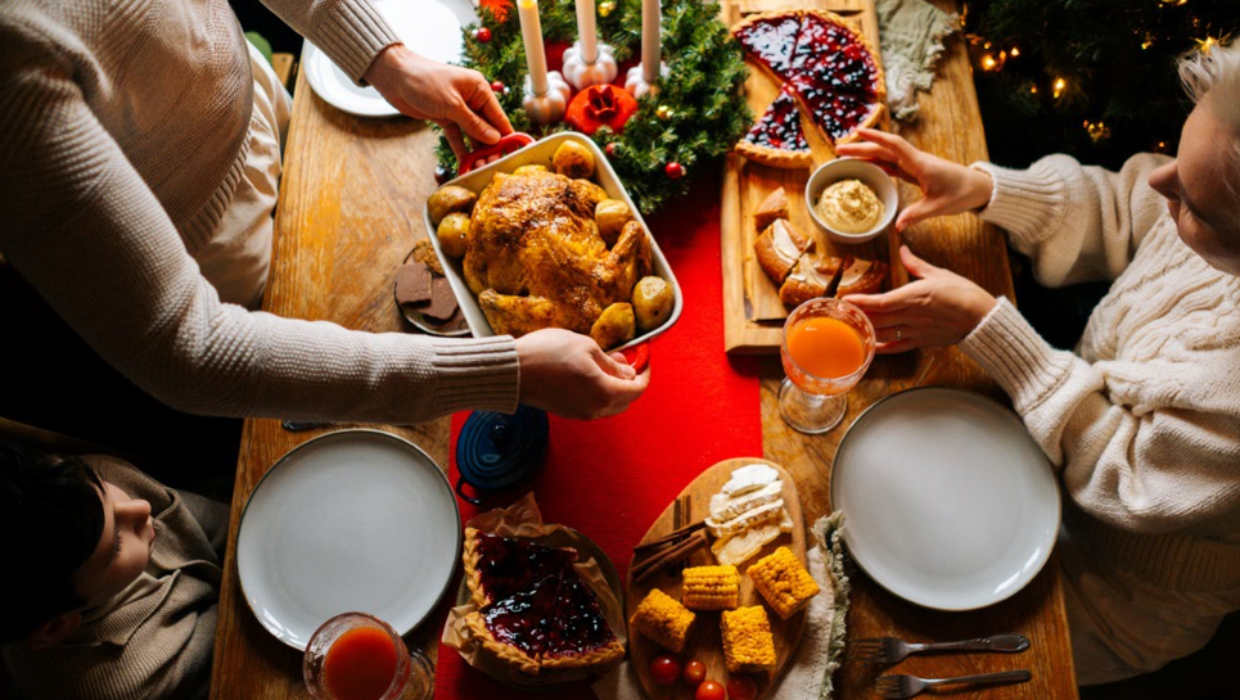
The holiday season often brings joy and togetherness, but it can also create challenges, particularly regarding food choices and preparation. A common issue arises when relatives insist on contributing dishes to festive meals despite lacking cooking skills. This scenario can lead to awkward situations, especially when preferences for quality and taste differ.
Many families encounter similar dilemmas during Christmas celebrations. In one case, a family member, who cannot cook, feels compelled to bring food to gatherings. This insistence can create tension among relatives who prefer to enjoy well-prepared dishes. Consequently, addressing this situation requires sensitive communication strategies.
Understanding the Impact of Family Dynamics
Family dynamics play a significant role in holiday traditions. Food often serves as a symbol of love and care. However, when contributions do not meet expectations, it can lead to frustration. The pressure to maintain harmony can make it difficult to express concerns openly. Families may struggle with how to convey their feelings without hurting their relative’s sentiments.
Effective communication is essential in these situations. Approaching the relative with kindness and empathy can help ease potential tensions. Families might consider discussing food preferences ahead of time, suggesting that they coordinate contributions to ensure a variety of dishes that everyone can enjoy.
Strategies for Open Communication
When addressing this issue, it is crucial to frame the conversation positively. Instead of outrightly refusing the relative’s contributions, families could express appreciation for their willingness to participate. For instance, suggesting that the relative bring drinks or desserts instead of main dishes can redirect their enthusiasm while maintaining the spirit of inclusion.
Another option is to offer assistance in the kitchen. Inviting the relative to cook alongside a more experienced family member could enhance their skills while ensuring that the food meets the group’s standards. This approach can foster a sense of collaboration, transforming the gathering into a shared experience.
In addition to verbal communication, utilizing technology can be beneficial. Family group chats can serve as platforms for discussing meal plans and preferences. Such discussions can facilitate a more structured approach to contributions without singling anyone out.
Ultimately, the goal is to maintain a festive atmosphere while ensuring that food reflects the family’s shared values and tastes. With thoughtful communication and a collaborative spirit, families can navigate these challenges gracefully, creating a memorable holiday experience for everyone involved.
As families come together this Christmas, addressing food contributions with care and consideration can prevent misunderstandings and enhance the joy of the season.

New $25 Million Funding Boosts Hospital Capacity Ahead of Winter

Discover Sleep Space’s Affordable Bach Bed Packages Today

Jury Dismissed in Sexual Assault Trial Over Misguided Questions

Wellington’s New Gallery Unveils Community-Driven Art Exhibition

All Whites Face Challenges as Injuries Strike Before World Cup

Heroic Bystander Rescues Swimmers from Dangerous Surf in Napier

Nina Oyama Returns to Crime Comedy in Deadloch Season 2

China Southern Airlines Offers Reliable Journey from Auckland to Vietnam

Nina Oyama Returns to Deadloch for Anticipated Season 2

Community Mourns Teens Lost in Mount Maunganui Landslide

Tributes Pour In for Lachlan Rofe, Reality Star, Dead at 47

Private Funeral Held for Dean Field and His Three Children

Funeral Planned for Field Siblings After Tragic House Fire

Netball New Zealand Stands Down Dame Noeline Taurua for Series

Al Waha Motors Opens Flagship Jetour Showroom in Al Khor

Julian Dennison Ties the Knot with Christian Baledrokadroka in New Zealand

Auckland’s Average Rent Surpasses $700 for Three-Bedroom Homes

New Research Reveals Simple Path to Enhanced Happiness
-
 Top Stories7 months ago
Community Mourns Teens Lost in Mount Maunganui Landslide
-
 Entertainment11 months ago
Tributes Pour In for Lachlan Rofe, Reality Star, Dead at 47
-
 World9 months ago
Private Funeral Held for Dean Field and His Three Children
-
 Top Stories9 months ago
Funeral Planned for Field Siblings After Tragic House Fire
-
 Sports11 months ago
Netball New Zealand Stands Down Dame Noeline Taurua for Series
-
 Health7 months ago
Al Waha Motors Opens Flagship Jetour Showroom in Al Khor
-
 Entertainment7 months ago
Julian Dennison Ties the Knot with Christian Baledrokadroka in New Zealand
-
 Business7 months ago
Auckland’s Average Rent Surpasses $700 for Three-Bedroom Homes
-
 Science10 months ago
New Research Reveals Simple Path to Enhanced Happiness
-

 Entertainment10 months ago
New ‘Maverick’ Chaser Joins Beat the Chasers Season Finale
-

 Lifestyle11 months ago
Maia Wilson Faces Backlash Following Taurua’s Suspension
-

 Sports10 months ago
All Blacks Star Damian McKenzie and Partner Announce Baby News