
World
Bay of Plenty Breweries Expand Beyond Traditional Markets

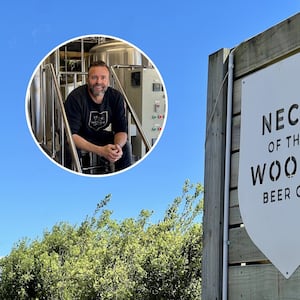
The breweries in the Bay of Plenty region of New Zealand are experiencing significant growth as they expand beyond their traditional hospitality hubs. This shift reflects a wider trend where local consumers increasingly prioritize supporting homegrown businesses. As of 2023, the craft beer industry in this area is transforming, with breweries seeking innovative ways to engage with their communities.
Local breweries are diversifying their offerings to reach a broader audience. For instance, many establishments have begun to create unique flavors and styles that cater to various tastes, moving away from the standard lagers and ales. This approach not only attracts new customers but also enhances their presence in the competitive market.
In addition to producing distinctive craft beers, several breweries are establishing partnerships with local food producers and farms. These collaborations allow breweries to source ingredients locally, which resonates with the growing consumer desire for sustainability and transparency in the food and beverage industry. By supporting local agriculture, breweries can highlight their commitment to the community while enhancing the quality of their products.
Community Engagement Drives Growth
Community engagement has become a central theme for many Bay of Plenty breweries. As local residents increasingly seek to support businesses that align with their values, breweries are responding by hosting events and activities that foster a sense of belonging. These initiatives include brewery tours, tasting events, and community festivals that celebrate local culture and craftsmanship.
According to industry experts, the emphasis on community-driven initiatives is helping to solidify the position of Bay of Plenty breweries within the local economy. “I think everyone really does want to support local nowadays,” said a representative from one of the region’s popular breweries. This sentiment reflects a broader movement across New Zealand, where consumers are more conscious of their purchasing decisions and the impact on their communities.
The growth of these breweries is also contributing positively to the local economy. Many establishments are increasing their workforce to meet rising demand, creating new job opportunities for residents. As breweries expand their operations, they not only enhance their own profitability but also contribute to the overall economic vitality of the Bay of Plenty region.
Challenges and Opportunities Ahead
Despite the positive growth trends, the Bay of Plenty breweries face challenges associated with scaling their operations. As competition within the craft beer market intensifies, breweries must continue to innovate while maintaining their unique identities. Additionally, rising costs for ingredients and distribution can impact profitability, pushing breweries to find efficient solutions without compromising quality.
Nevertheless, the opportunities for growth remain substantial. With the global craft beer market on an upward trajectory, Bay of Plenty breweries are well-positioned to capitalize on this trend by continuing to emphasize local connections and quality craftsmanship. As these establishments work to strengthen their ties to the community, they are likely to further solidify their status as essential players in both the local economy and the broader craft beer landscape.
As the Bay of Plenty breweries continue to flourish, their commitment to local engagement and innovative practices will likely shape the future of the region’s hospitality industry. By focusing on community support and sustainable practices, these breweries are not just crafting beer; they are crafting a vibrant local culture that resonates well beyond their taps.













Comedy Legend Dick Van Dyke Celebrates 100th Birthday Milestone

Beloved Auckland Restaurant Sri Pinang to Close Permanently

Dick Van Dyke Celebrates 100 Years of Joy and Laughter

Giuffre Family Criticizes Met Police After Inquiry Into Andrew Ends

Prada Launches ‘Made in India’ Sandal Collection for €800

Belarus Releases 123 Prisoners for US Sanctions Relief

Test Your Knowledge with the Otago Daily Times Quiz on December 14

Bay of Plenty Breweries Expand Beyond Traditional Markets

Test Your Knowledge: Take the Otago Daily Times Quiz on December 14

Private Funeral Held for Dean Field and His Three Children

Funeral Planned for Field Siblings After Tragic House Fire

Netball New Zealand Stands Down Dame Noeline Taurua for Series

Tributes Pour In for Lachlan Rofe, Reality Star, Dead at 47

New ‘Maverick’ Chaser Joins Beat the Chasers Season Finale

Silver Ferns Legend Laura Langman Criticizes Team’s Attitude

Eli Katoa Rushed to Hospital After Sideline Incident During Match

Netball NZ Calls for Respect Amid Dame Taurua’s Standoff

Investigation Underway in Tragic Sanson House Fire Involving Family
-
 World3 weeks ago
Private Funeral Held for Dean Field and His Three Children
-
 Top Stories3 weeks ago
Funeral Planned for Field Siblings After Tragic House Fire
-
 Sports3 months ago
Netball New Zealand Stands Down Dame Noeline Taurua for Series
-
 Entertainment3 months ago
Tributes Pour In for Lachlan Rofe, Reality Star, Dead at 47
-
 Entertainment2 months ago
New ‘Maverick’ Chaser Joins Beat the Chasers Season Finale
-
 Sports3 months ago
Silver Ferns Legend Laura Langman Criticizes Team’s Attitude
-
 Sports1 month ago
Eli Katoa Rushed to Hospital After Sideline Incident During Match
-
 Politics2 months ago
Netball NZ Calls for Respect Amid Dame Taurua’s Standoff
-
 World4 weeks ago
Investigation Underway in Tragic Sanson House Fire Involving Family
-

 Entertainment1 week ago
Jacinda Ardern Discusses Popularity Decline on Graham Norton Show
-

 Sports2 weeks ago
Eli Katoa Shares Positive Recovery Update After Brain Surgery
-

 Top Stories3 weeks ago
Shock and Grief Follow Tragic Family Deaths in New Zealand