
Business
Government Tightens Jobseeker Benefits for Young Adults

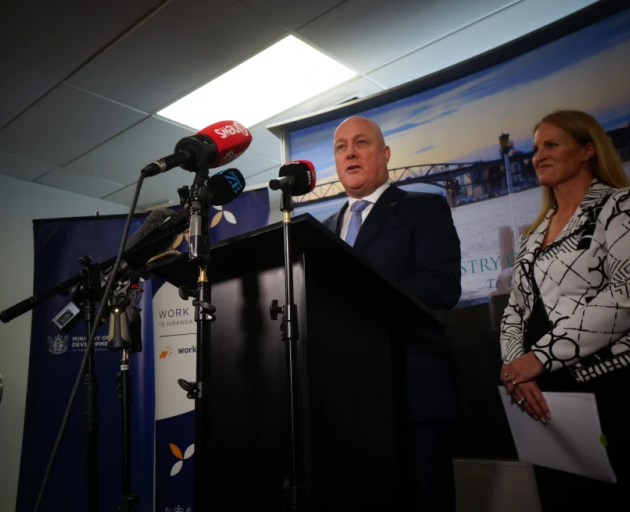
The government will implement stricter eligibility requirements for Jobseeker benefits, impacting thousands of young adults aged 18 to 19. Beginning in November 2026, a new parental assistance test will determine whether parents earning more than $65,000 must support their children instead of relying on state benefits. This policy shift, first announced during the Budget presentation, aims to encourage parental financial support and reduce reliance on government assistance.
According to Louise Upston, Minister of Social Development and Employment, the government anticipates that approximately 4,300 young people will no longer qualify for Jobseeker support as a result of this change. In the financial year 2027/28, around 4,700 individuals in this age group are expected to remain eligible. Currently, 15,045 18-19-year-olds are receiving Jobseeker benefits as of June 2025.
Upston emphasized that “going on welfare when you’re young is a trap,” citing recent modelling that indicates individuals under the age of 25 on Jobseeker support may spend an average of 18 years or more on benefits throughout their lives. The government originally projected that this policy would save approximately $163 million over four years, indicating a significant financial impact.
The new parental assistance test will differ from existing income thresholds for other forms of support, such as student allowances. Currently, the income threshold for student allowances is $69,935.32 before tax, with benefits decreasing for parents earning above that amount. If joint earnings exceed $127,701.81 for students living with their parents, or $137,187.86 for those living independently, the student will not receive an allowance.
In addition to the parental assistance test, Upston announced a new incentive for young adults. Starting in October 2026, individuals aged 18 to 24 who participate in the Ministry of Social Development’s community job coaching service will be eligible for a $1,000 bonus payment. To qualify, they must secure employment and remain off benefits for at least 12 months. The program currently has 4,000 available places, demonstrating the government’s commitment to supporting youth employment.
This policy change reflects a significant shift in how the government approaches youth welfare, aiming to promote independence and reduce long-term dependence on benefits. As the implementation date approaches, the impact on young adults and their families will be closely monitored.












New $25 Million Funding Boosts Hospital Capacity Ahead of Winter

Discover Sleep Space’s Affordable Bach Bed Packages Today

Jury Dismissed in Sexual Assault Trial Over Misguided Questions

Wellington’s New Gallery Unveils Community-Driven Art Exhibition

All Whites Face Challenges as Injuries Strike Before World Cup

Heroic Bystander Rescues Swimmers from Dangerous Surf in Napier

Nina Oyama Returns to Crime Comedy in Deadloch Season 2

China Southern Airlines Offers Reliable Journey from Auckland to Vietnam

Nina Oyama Returns to Deadloch for Anticipated Season 2

Community Mourns Teens Lost in Mount Maunganui Landslide

Tributes Pour In for Lachlan Rofe, Reality Star, Dead at 47

Private Funeral Held for Dean Field and His Three Children

Funeral Planned for Field Siblings After Tragic House Fire

Al Waha Motors Opens Flagship Jetour Showroom in Al Khor

Netball New Zealand Stands Down Dame Noeline Taurua for Series

Julian Dennison Ties the Knot with Christian Baledrokadroka in New Zealand

Auckland’s Average Rent Surpasses $700 for Three-Bedroom Homes

New Research Reveals Simple Path to Enhanced Happiness
-
 Top Stories7 months ago
Community Mourns Teens Lost in Mount Maunganui Landslide
-
 Entertainment11 months ago
Tributes Pour In for Lachlan Rofe, Reality Star, Dead at 47
-
 World9 months ago
Private Funeral Held for Dean Field and His Three Children
-
 Top Stories9 months ago
Funeral Planned for Field Siblings After Tragic House Fire
-
 Health7 months ago
Al Waha Motors Opens Flagship Jetour Showroom in Al Khor
-
 Sports11 months ago
Netball New Zealand Stands Down Dame Noeline Taurua for Series
-
 Entertainment7 months ago
Julian Dennison Ties the Knot with Christian Baledrokadroka in New Zealand
-
 Business8 months ago
Auckland’s Average Rent Surpasses $700 for Three-Bedroom Homes
-
 Science10 months ago
New Research Reveals Simple Path to Enhanced Happiness
-

 Entertainment10 months ago
New ‘Maverick’ Chaser Joins Beat the Chasers Season Finale
-

 Lifestyle11 months ago
Maia Wilson Faces Backlash Following Taurua’s Suspension
-

 Sports10 months ago
All Blacks Star Damian McKenzie and Partner Announce Baby News