
Business
Global Chip Shortages Threaten Supply of Electronic Devices

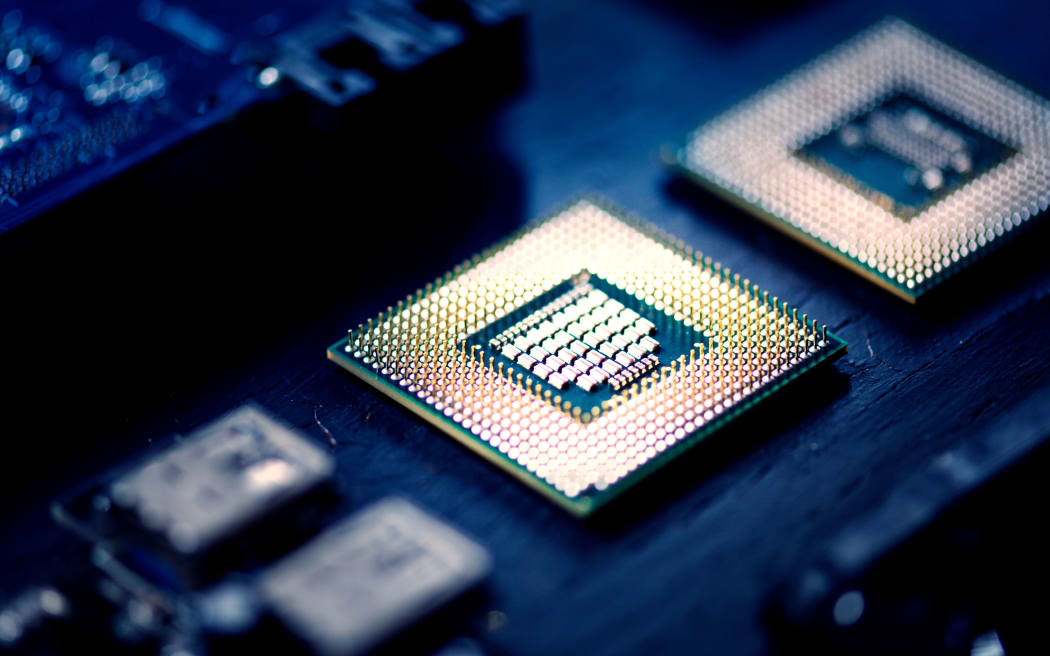
Concerns are rising over potential shortages of electronic devices due to increasing demand for high-tech superconductors, driven largely by the rapid growth of artificial intelligence. This surge has resulted in shortages of less powerful chips that are essential for computers, consumer electronics, and smartphones. As a consequence, panic buying has emerged, alongside rising global prices for various types of semiconductors.
Craig Young, chief executive of the Technology Users Association (TUANZ), indicated that the chip shortages are likely to affect a wide range of consumer electronics in New Zealand. He noted that consumers may face higher prices for many electronic items, coupled with the risk of supply shortages. “There are some examples of international chip makers increasing prices, up to 60 percent and not just for the high-end products,” Young explained. This situation poses a challenge for consumers trying to keep pace with technological advancements.
Young anticipates that the impact of these price increases and potential shortages will become evident in the new year, particularly once existing inventories are depleted. “We won’t necessarily see an increase before Christmas, but I’m expecting that in the new year, especially as we have to restock after Christmas,” he added.
Compounding the situation, global automakers are also racing to secure and stockpile technology chips. A semiconductor supply crunch was triggered in late October 2023, following a ban by the Dutch government on chipmaker Nexperia from exporting products to its Chinese parent company Wingtech, which had been flagged as a possible national security risk by the United States.
Young reflected on previous shortages, stating that New Zealand has experienced similar challenges in the past. He recalled the significant shortages of specific chipsets during the COVID-19 pandemic, which affected items such as heated car seats. “But it’s not just that. It’s actually the chips that are inside the car that keep it running, that keep an eye on things,” he emphasized.
According to the International Data Corporation (IDC), tariff negotiations and policy uncertainties have contributed to disruptions in supply chains, investment, and costs. The market for AI chips is projected to exceed $1 trillion annually by 2028, further intensifying the demand for semiconductors.
The current situation underscores the interconnectedness of global markets and the critical role that semiconductor supplies play in the tech industry. As consumers prepare for potential price hikes and product shortages, the focus remains on how manufacturers will adapt to these ongoing challenges.











PSG Celebrates Historic Sixth Trophy with Intercontinental Cup Win

Jo Cribb Reveals Top Wine Picks for 2025 in Final Column

Final Victim Identified in Bondi Terror Attack: Tania Tretiak

Scientists Decode Genes Behind Holstein Cows’ Distinctive Spots

Jack McVeigh’s 47 Points Propel Taipans to Victory Over Breakers

David Seymour’s Car Involved in Tree Incident in Epsom Car Park

PSG Celebrates Historic Sixth Trophy with Intercontinental Cup Win

Discover Jo Cribb’s Top Wine Picks for 2025 and Beyond

Grandmother Identified as Final Victim of Bondi Terror Attack

Private Funeral Held for Dean Field and His Three Children

Funeral Planned for Field Siblings After Tragic House Fire

Netball New Zealand Stands Down Dame Noeline Taurua for Series

Tributes Pour In for Lachlan Rofe, Reality Star, Dead at 47

New ‘Maverick’ Chaser Joins Beat the Chasers Season Finale

Silver Ferns Legend Laura Langman Criticizes Team’s Attitude

Eli Katoa Rushed to Hospital After Sideline Incident During Match

Netball NZ Calls for Respect Amid Dame Taurua’s Standoff

Investigation Underway in Tragic Sanson House Fire Involving Family
-
 World4 weeks ago
Private Funeral Held for Dean Field and His Three Children
-
 Top Stories4 weeks ago
Funeral Planned for Field Siblings After Tragic House Fire
-
 Sports3 months ago
Netball New Zealand Stands Down Dame Noeline Taurua for Series
-
 Entertainment3 months ago
Tributes Pour In for Lachlan Rofe, Reality Star, Dead at 47
-
 Entertainment2 months ago
New ‘Maverick’ Chaser Joins Beat the Chasers Season Finale
-
 Sports3 months ago
Silver Ferns Legend Laura Langman Criticizes Team’s Attitude
-
 Sports2 months ago
Eli Katoa Rushed to Hospital After Sideline Incident During Match
-
 Politics3 months ago
Netball NZ Calls for Respect Amid Dame Taurua’s Standoff
-
 World1 month ago
Investigation Underway in Tragic Sanson House Fire Involving Family
-

 Entertainment2 weeks ago
Jacinda Ardern Discusses Popularity Decline on Graham Norton Show
-

 Sports7 days ago
Pressure Mounts on All Blacks Coaches Amid Internal Strife
-

 Sports3 weeks ago
Eli Katoa Shares Positive Recovery Update After Brain Surgery