
Lifestyle
Nepal Appoints New Living Goddess: A 2-Year-Old Child Chosen

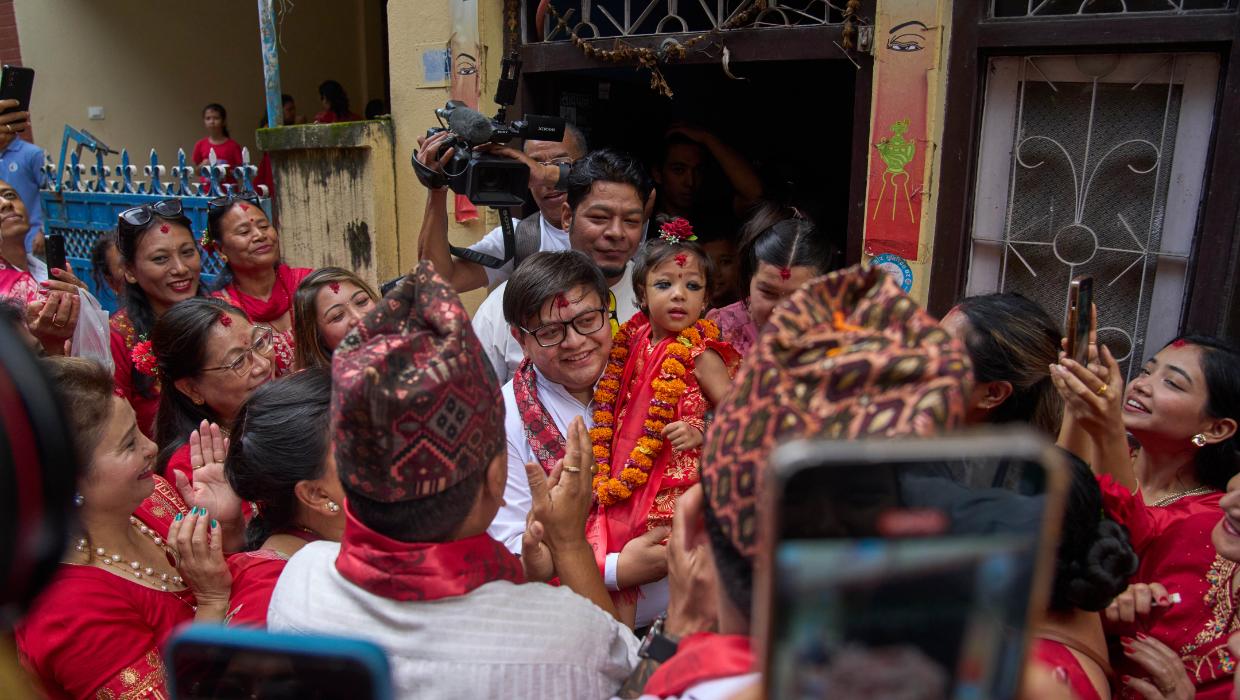
Nepal has officially selected a new Living Goddess, known as the **Kumari**, in a ceremony held in **Kathmandu**. The chosen child, a **2-year-old girl**, will represent both Hindu and Buddhist faiths, embodying the divine spirit revered in this centuries-old tradition. This remarkable selection process draws significant attention, showcasing the intersection of culture and spirituality in Nepal.
The Kumari is selected between the ages of **2 and 4**, with specific criteria that must be met. Candidates must exhibit **unblemished skin**, **hair**, **eyes**, and **teeth**. Additionally, they must demonstrate courage, as they should not be afraid of the dark. This rigorous selection reflects the deep-rooted beliefs within both communities that the Kumari is the physical embodiment of the goddess **Taleju**, who is worshipped primarily in the Kathmandu Valley.
Significance of the Kumari Tradition
The tradition of the Kumari has its origins in the **12th century**, when the practice was formalized by King Jayasthiti Malla. It serves not only as a religious symbol but also as a unifying figure for both Hindus and Buddhists in Nepal. The Living Goddess plays a vital role in various religious ceremonies and festivals throughout the year, attracting thousands of devotees and tourists alike.
Upon her selection, the new Kumari will undergo rituals that mark her transition into this revered role. These rituals include various ceremonies where she will be introduced to her community and receive blessings from religious leaders. The girl will reside in the **Kumari Ghar**, a historic palace in Kathmandu, where she will be cared for and guided in her duties as the Living Goddess.
Cultural and Social Impact
The Kumari’s selection evokes strong emotions among Nepalese people, who regard her as a symbol of divine protection and prosperity. The community celebrates her role with lively festivals, showcasing traditional music, dance, and religious practices. Furthermore, the Kumari serves as a reminder of the rich cultural heritage of Nepal and the importance of preserving such traditions in a rapidly changing world.
Despite her esteemed position, the life of a Kumari is not without challenges. Once she reaches puberty or experiences any physical changes deemed inappropriate, she must relinquish her title. The transition can be difficult for these young girls, who often find it challenging to adjust to life outside the Kumari Ghar after years of public adoration.
The appointment of the new Living Goddess highlights the ongoing cultural significance of this tradition within Nepalese society. It serves as a bridge between generations, reinforcing shared values and beliefs among Hindus and Buddhists alike. As the new Kumari begins her sacred journey, she not only represents the divine but also embodies the hopes and aspirations of her community, standing as a symbol of unity and faith in a diverse nation.








New $25 Million Funding Boosts Hospital Capacity Ahead of Winter

Discover Sleep Space’s Affordable Bach Bed Packages Today

Jury Dismissed in Sexual Assault Trial Over Misguided Questions

Wellington’s New Gallery Unveils Community-Driven Art Exhibition

All Whites Face Challenges as Injuries Strike Before World Cup

Heroic Bystander Rescues Swimmers from Dangerous Surf in Napier

Nina Oyama Returns to Crime Comedy in Deadloch Season 2

China Southern Airlines Offers Reliable Journey from Auckland to Vietnam

Nina Oyama Returns to Deadloch for Anticipated Season 2

Community Mourns Teens Lost in Mount Maunganui Landslide

Tributes Pour In for Lachlan Rofe, Reality Star, Dead at 47

Private Funeral Held for Dean Field and His Three Children

Funeral Planned for Field Siblings After Tragic House Fire

Netball New Zealand Stands Down Dame Noeline Taurua for Series

Julian Dennison Ties the Knot with Christian Baledrokadroka in New Zealand

New Research Reveals Simple Path to Enhanced Happiness

New ‘Maverick’ Chaser Joins Beat the Chasers Season Finale

Silver Ferns Legend Laura Langman Criticizes Team’s Attitude
-
 Top Stories3 months ago
Community Mourns Teens Lost in Mount Maunganui Landslide
-
 Entertainment7 months ago
Tributes Pour In for Lachlan Rofe, Reality Star, Dead at 47
-
 World5 months ago
Private Funeral Held for Dean Field and His Three Children
-
 Top Stories5 months ago
Funeral Planned for Field Siblings After Tragic House Fire
-
 Sports7 months ago
Netball New Zealand Stands Down Dame Noeline Taurua for Series
-
 Entertainment3 months ago
Julian Dennison Ties the Knot with Christian Baledrokadroka in New Zealand
-
 Science6 months ago
New Research Reveals Simple Path to Enhanced Happiness
-
 Entertainment6 months ago
New ‘Maverick’ Chaser Joins Beat the Chasers Season Finale
-
 Sports7 months ago
Silver Ferns Legend Laura Langman Criticizes Team’s Attitude
-

 Sports5 months ago
Eli Katoa Rushed to Hospital After Sideline Incident During Match
-

 Sports6 months ago
All Blacks Star Damian McKenzie and Partner Announce Baby News
-

 Politics6 months ago
Netball NZ Calls for Respect Amid Dame Taurua’s Standoff