
Politics
Australian Teens Challenge New Social Media Ban with Bravado

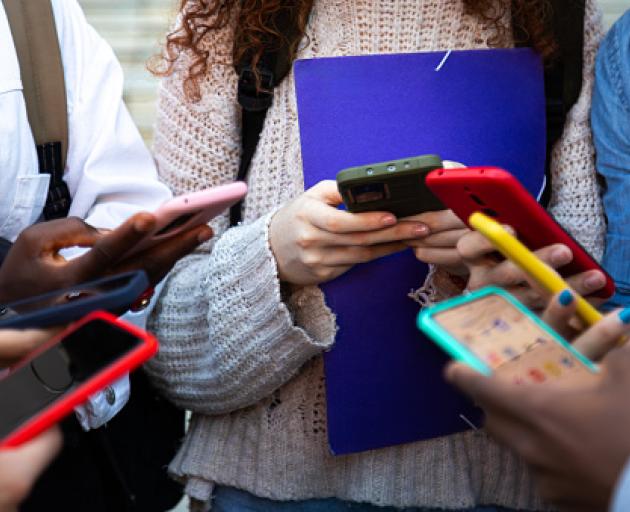
Australia’s recent legislation prohibiting social media access for users under 16 has sparked a wave of defiance among teenagers, who are openly boasting about their continued presence on these platforms. The ban, which took effect on October 4, 2023, received bipartisan support from major political parties and approval from approximately 75% of Australian parents.
Under this new law, ten major platforms, including TikTok, Meta’s Instagram, and Alphabet’s YouTube, face fines of up to A$49.5 million if they fail to prevent underage users from accessing their services. Prime Minister Anthony Albanese emphasized the seriousness of the law, stating, “This is the law, this isn’t something that can be flouted.” He noted that some young individuals are publicly flaunting their ability to remain active on social media, which could ultimately identify them to the platforms for removal.
Global Response to Australia’s Social Media Initiative
Internationally, governments are observing Australia’s rollout closely as they consider similar measures. U.S. Republican Senator Josh Hawley expressed support for the ban, as reported by Nine newspapers. Other countries, including France, Denmark, and Malaysia, have indicated intentions to adopt the Australian model.
The eSafety Commissioner of Australia announced plans to request all affected platforms to report the number of under-16 accounts before and after the ban’s implementation. Despite the government’s efforts, Meta has voiced its concerns regarding the law, suggesting it could drive teenagers to less regulated areas of the internet. A spokesperson for Meta commented, “This will result in inconsistent application of the law and ultimately does not make young people safer.”
Youth Reactions and Unexpected Trends
The reactions to the ban have been varied. While some teens take to social media to declare their noncompliance, others are turning to virtual private networks (VPNs) to mask their online presence. Data from Google indicates that searches for VPNs in Australia surged to their highest levels in a decade just prior to the legislation’s enforcement. Notably, free VPN provider Windscribe reported a staggering 400% increase in installations within 24 hours of the ban taking effect.
In the lead-up to the ban, another VPN provider, hide.me, noted a 65% spike in visits from Australian users. However, these increased visits did not correlate with a significant rise in downloads.
As the ban commenced, applications not covered by the restrictions began to gain popularity. One such app, Lemon8, owned by TikTok’s parent company ByteDance, implemented an age minimum of 16. Another photo-sharing platform, Yope, reported rapid growth, claiming approximately 100,000 Australian users, with about half being over 16.
In an era where social media platforms are under heightened scrutiny, the Australian government’s initiative highlights the ongoing debate regarding online safety and age restrictions. While many advocate for such measures, experts like U.S. psychologist Jonathan Haidt have applauded Australia’s efforts, tweeting, “Bravo Australia.” Conversely, UNICEF cautioned that laws establishing age restrictions must be complemented by improved platform designs and content moderation to ensure young users’ safety online.
The Australian government continues to advocate for the law, asserting that it will yield improved educational outcomes and behavior among students by minimizing their device usage during critical developmental years. As this legislation unfolds, the world watches closely, contemplating the balance between safeguarding young users and fostering a responsible online environment.










Ardie Savea Dominates New Zealand Rugby Awards with Three Major Wins

Wellington Mayor Andrew Little’s Backers Exposed Amid Funding Scrutiny

Win VIP Trip to Auckland for the Royal Edinburgh Military Tattoo

Antilles Gold Launches Construction at Nueva Sabana Copper Mine

Supergirl Teaser Trailer Set for December 11 Release

Last-Minute Offer from UK Health Secretary Averts Doctors’ Strike

French Woman Captivated by Golden Temple’s Community Spirit

Australian Teens Challenge New Social Media Ban with Bravado

Ardie Savea Secures Trio of Awards at New Zealand Rugby Ceremony

Private Funeral Held for Dean Field and His Three Children

Funeral Planned for Field Siblings After Tragic House Fire

Netball New Zealand Stands Down Dame Noeline Taurua for Series

Tributes Pour In for Lachlan Rofe, Reality Star, Dead at 47

New ‘Maverick’ Chaser Joins Beat the Chasers Season Finale

Silver Ferns Legend Laura Langman Criticizes Team’s Attitude

Eli Katoa Rushed to Hospital After Sideline Incident During Match

Investigation Underway in Tragic Sanson House Fire Involving Family

Netball NZ Calls for Respect Amid Dame Taurua’s Standoff
-
 World2 weeks ago
Private Funeral Held for Dean Field and His Three Children
-
 Top Stories3 weeks ago
Funeral Planned for Field Siblings After Tragic House Fire
-
 Sports3 months ago
Netball New Zealand Stands Down Dame Noeline Taurua for Series
-
 Entertainment3 months ago
Tributes Pour In for Lachlan Rofe, Reality Star, Dead at 47
-
 Entertainment2 months ago
New ‘Maverick’ Chaser Joins Beat the Chasers Season Finale
-
 Sports3 months ago
Silver Ferns Legend Laura Langman Criticizes Team’s Attitude
-
 Sports1 month ago
Eli Katoa Rushed to Hospital After Sideline Incident During Match
-
 World3 weeks ago
Investigation Underway in Tragic Sanson House Fire Involving Family
-
 Politics2 months ago
Netball NZ Calls for Respect Amid Dame Taurua’s Standoff
-

 Top Stories3 weeks ago
Shock and Grief Follow Tragic Family Deaths in New Zealand
-

 Entertainment4 months ago
Khloe Kardashian Embraces Innovative Stem Cell Therapy in Mexico
-

 World4 months ago
Police Arrest Multiple Individuals During Funeral for Zain Taikato-Fox