
Politics
US Plans to Require Tourists to Provide Five Years of Social Media Data

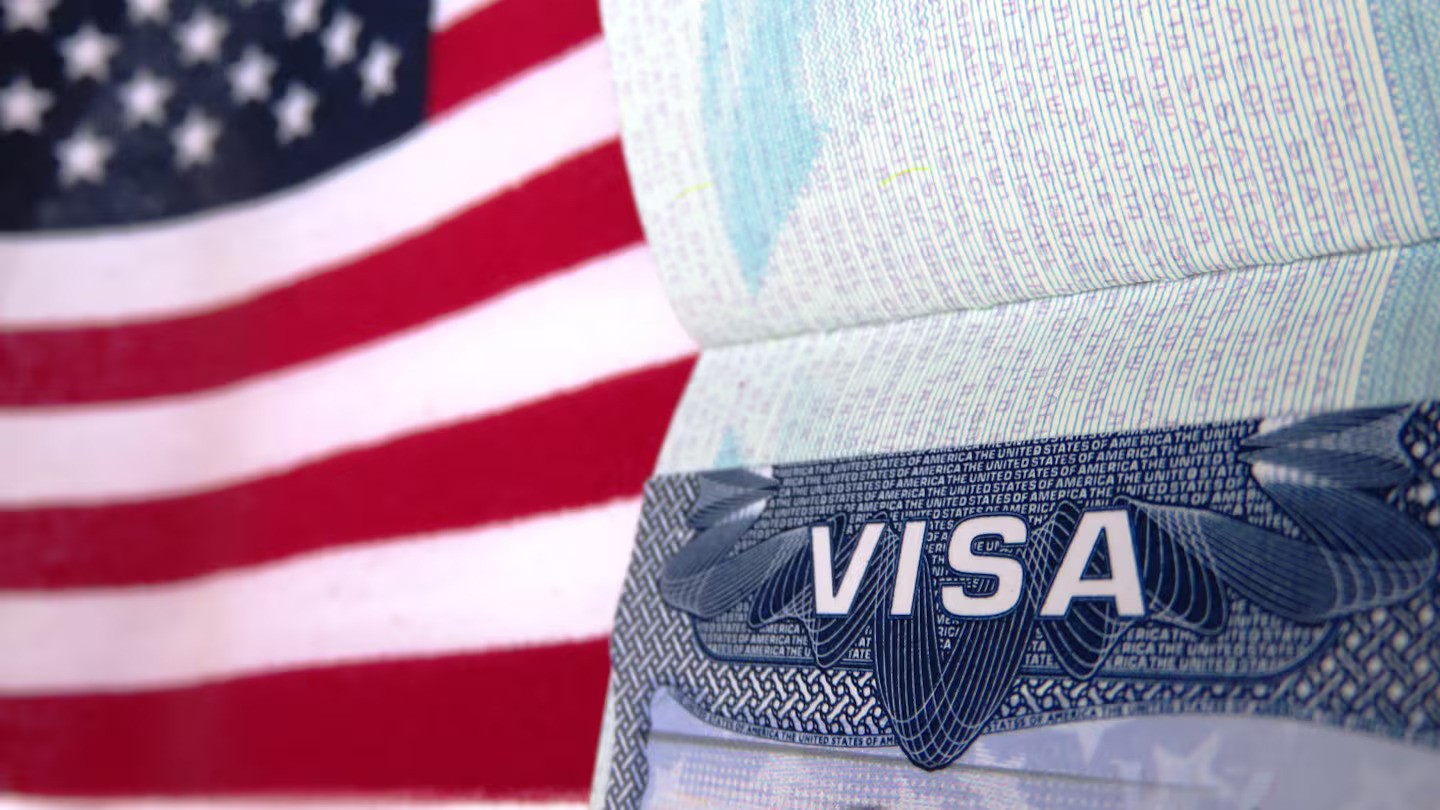
The United States is considering a new requirement that could impact tourists entering the country. Under this proposal, visitors may need to provide up to five years of their social media history as part of the entry process. This measure would particularly affect citizens from countries that currently enjoy visa-free travel to the US, including New Zealand, Australia, and the United Kingdom.
Details surrounding this potential law remain sparse, but US immigration officials may also request additional personal information. This could include email addresses, phone numbers, and details about family members. Such a comprehensive data collection aims to enhance national security and immigration vetting processes.
Insights from Immigration Experts
US immigration lawyer Brian Hunt has provided some context regarding the motivations behind this policy. He indicates that the government is likely focusing on specific types of content when reviewing social media data. Hunt states, “I think they’re looking for pretty extreme language when it comes to anti-Semitism – and then they also said they’re vetting for anti-American activity.” His insights suggest that the US is prioritizing the identification of potential threats linked to hate speech and radical ideologies.
This initiative could raise significant privacy concerns among prospective travelers. By requiring extensive social media data, the US would be stepping into a complex realm of personal information that has implications for individual freedoms and privacy rights. Critics argue that such measures could deter tourism and disrupt international relationships, particularly with countries that have historically partnered with the US on immigration policies.
The Broader Context
The proposed requirement aligns with increasing global scrutiny on social media as a tool for both communication and radicalization. Governments around the world are grappling with how to manage the vast amounts of data shared online. The US, in particular, has intensified its focus on identifying potential security risks stemming from social media activity.
As the situation develops, it will be crucial to monitor how this policy evolves and whether it will be implemented as described. Travelers and immigration advocates alike are watching closely, as the implications of such changes could significantly alter the landscape of international travel to the US.
With the potential for increased administrative burdens on both travelers and US immigration officials, discussions will likely continue regarding the balance between national security and individual privacy rights. As of now, no official timeline for the implementation of this policy has been released, and stakeholders from various sectors are encouraged to engage in the dialogue surrounding this significant issue.








New $25 Million Funding Boosts Hospital Capacity Ahead of Winter

Discover Sleep Space’s Affordable Bach Bed Packages Today

Jury Dismissed in Sexual Assault Trial Over Misguided Questions

Wellington’s New Gallery Unveils Community-Driven Art Exhibition

All Whites Face Challenges as Injuries Strike Before World Cup

Heroic Bystander Rescues Swimmers from Dangerous Surf in Napier

Nina Oyama Returns to Crime Comedy in Deadloch Season 2

China Southern Airlines Offers Reliable Journey from Auckland to Vietnam

Nina Oyama Returns to Deadloch for Anticipated Season 2

Community Mourns Teens Lost in Mount Maunganui Landslide

Tributes Pour In for Lachlan Rofe, Reality Star, Dead at 47

Private Funeral Held for Dean Field and His Three Children

Funeral Planned for Field Siblings After Tragic House Fire

Netball New Zealand Stands Down Dame Noeline Taurua for Series

Julian Dennison Ties the Knot with Christian Baledrokadroka in New Zealand

New Research Reveals Simple Path to Enhanced Happiness

New ‘Maverick’ Chaser Joins Beat the Chasers Season Finale

Silver Ferns Legend Laura Langman Criticizes Team’s Attitude
-
 Top Stories3 months ago
Community Mourns Teens Lost in Mount Maunganui Landslide
-
 Entertainment8 months ago
Tributes Pour In for Lachlan Rofe, Reality Star, Dead at 47
-
 World5 months ago
Private Funeral Held for Dean Field and His Three Children
-
 Top Stories5 months ago
Funeral Planned for Field Siblings After Tragic House Fire
-
 Sports8 months ago
Netball New Zealand Stands Down Dame Noeline Taurua for Series
-
 Entertainment3 months ago
Julian Dennison Ties the Knot with Christian Baledrokadroka in New Zealand
-
 Science6 months ago
New Research Reveals Simple Path to Enhanced Happiness
-
 Entertainment7 months ago
New ‘Maverick’ Chaser Joins Beat the Chasers Season Finale
-
 Sports8 months ago
Silver Ferns Legend Laura Langman Criticizes Team’s Attitude
-

 Sports6 months ago
All Blacks Star Damian McKenzie and Partner Announce Baby News
-

 Sports6 months ago
Eli Katoa Rushed to Hospital After Sideline Incident During Match
-

 Politics7 months ago
Netball NZ Calls for Respect Amid Dame Taurua’s Standoff