
Science
Parasitic Worms Transform Spiders into ‘Zombies’ in New Study

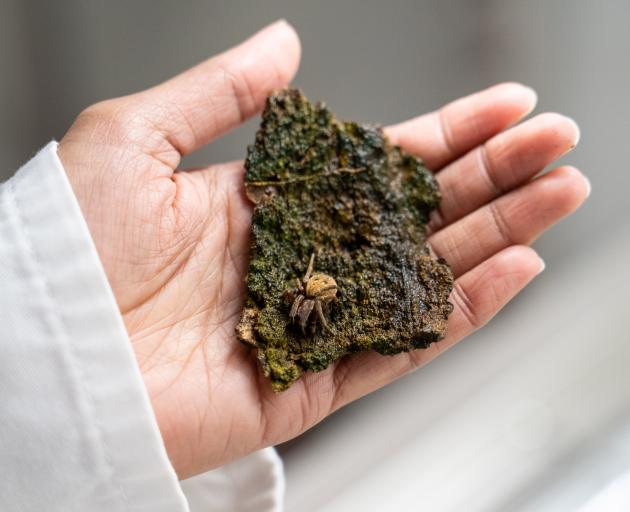
A recent study from Lincoln University has revealed a fascinating yet alarming phenomenon in New Zealand’s ecosystems: parasitic worms known as mermithids are turning spiders into mindless creatures referred to as “zombies.” The research, led by PhD student Usha Mendis, aims to uncover the complexities of these nematodes and their impact on local spider populations.
Mermithids target various invertebrates, including caddisflies, mayflies, grasshoppers, and endemic spider species. Mendis highlights the potential ecological implications of this parasitic relationship. “New Zealand has a large number of endemic spiders… over 90% of them are endemic,” she stated. The decline of these spiders could have detrimental effects on biodiversity, as they play crucial roles in the food chain.
When mermithids infect spiders, they alter their behavior and physiology. The process is both gradual and fatal for the host. Spiders affected by the parasite often exhibit abnormal physical traits, including enlarged limbs and swollen abdomens. “They look like zombies,” Mendis noted. However, it is challenging to identify infected spiders until they die and the nematodes emerge, signalling the end of their life cycle.
The exact mechanism through which mermithids enter their spider hosts remains unclear. While researchers understand how these nematodes exit after consuming the spider’s nutrients, the entry point is still a mystery that Mendis is working to solve. She explains that the nematodes require a host to survive, consuming its energy and nutrients as they grow.
Nematodes seek moist environments to progress to their next life stage, which drives infected spiders toward water sources. This behavior often results in spiders being found drowned, as they are compelled to find moisture despite their compromised state. To study the nematodes further, Mendis is employing water traps to collect these parasites from their infected hosts.
The presence of mermithids in New Zealand has only been documented for the past 35 years, indicating that there is still much to learn about their relationship with local spider species. Mendis urges the public to reconsider their perception of spiders, emphasizing their ecological importance despite their unsettling appearance. “Spiders may look disruptive and creepy, but they’re not the enemy. They’ve got their own problems to deal with,” she said.
As research continues, understanding the dynamics between these parasitic worms and spiders could provide crucial insights into maintaining the health of New Zealand’s unique ecosystems.









Discover the 10 Distinct Personalities at Office Christmas Parties

Couple Transforms Former Bollywood Estate into Family Haven

Prime Minister Luxon Engages Business Leaders at Breakfast Event

New Zealand’s Black Caps Face Setback with Injury to Key Bowler

Te Puia Takes Control of Waimangu Volcanic Valley Management

Development of Tothill Street: A Historical Overview of Frankleigh Park

Passengers Celebrate Auckland Stop on World’s Longest Flight

Countries Withdraw from Eurovision Amid Controversy Over Israel

Princess of Wales Dazzles in New Tiara at German State Banquet

Private Funeral Held for Dean Field and His Three Children

Funeral Planned for Field Siblings After Tragic House Fire

Netball New Zealand Stands Down Dame Noeline Taurua for Series

Tributes Pour In for Lachlan Rofe, Reality Star, Dead at 47

New ‘Maverick’ Chaser Joins Beat the Chasers Season Finale

Silver Ferns Legend Laura Langman Criticizes Team’s Attitude

Eli Katoa Rushed to Hospital After Sideline Incident During Match

Investigation Underway in Tragic Sanson House Fire Involving Family

Netball NZ Calls for Respect Amid Dame Taurua’s Standoff
-
 World1 week ago
Private Funeral Held for Dean Field and His Three Children
-
 Top Stories2 weeks ago
Funeral Planned for Field Siblings After Tragic House Fire
-
 Sports3 months ago
Netball New Zealand Stands Down Dame Noeline Taurua for Series
-
 Entertainment3 months ago
Tributes Pour In for Lachlan Rofe, Reality Star, Dead at 47
-
 Entertainment2 months ago
New ‘Maverick’ Chaser Joins Beat the Chasers Season Finale
-
 Sports3 months ago
Silver Ferns Legend Laura Langman Criticizes Team’s Attitude
-
 Sports1 month ago
Eli Katoa Rushed to Hospital After Sideline Incident During Match
-
 World3 weeks ago
Investigation Underway in Tragic Sanson House Fire Involving Family
-
 Politics2 months ago
Netball NZ Calls for Respect Amid Dame Taurua’s Standoff
-

 Top Stories2 weeks ago
Shock and Grief Follow Tragic Family Deaths in New Zealand
-

 Entertainment3 months ago
Khloe Kardashian Embraces Innovative Stem Cell Therapy in Mexico
-

 World4 months ago
Police Arrest Multiple Individuals During Funeral for Zain Taikato-Fox