
Science
Researcher Develops Innovative Tool for Early Cancer Detection

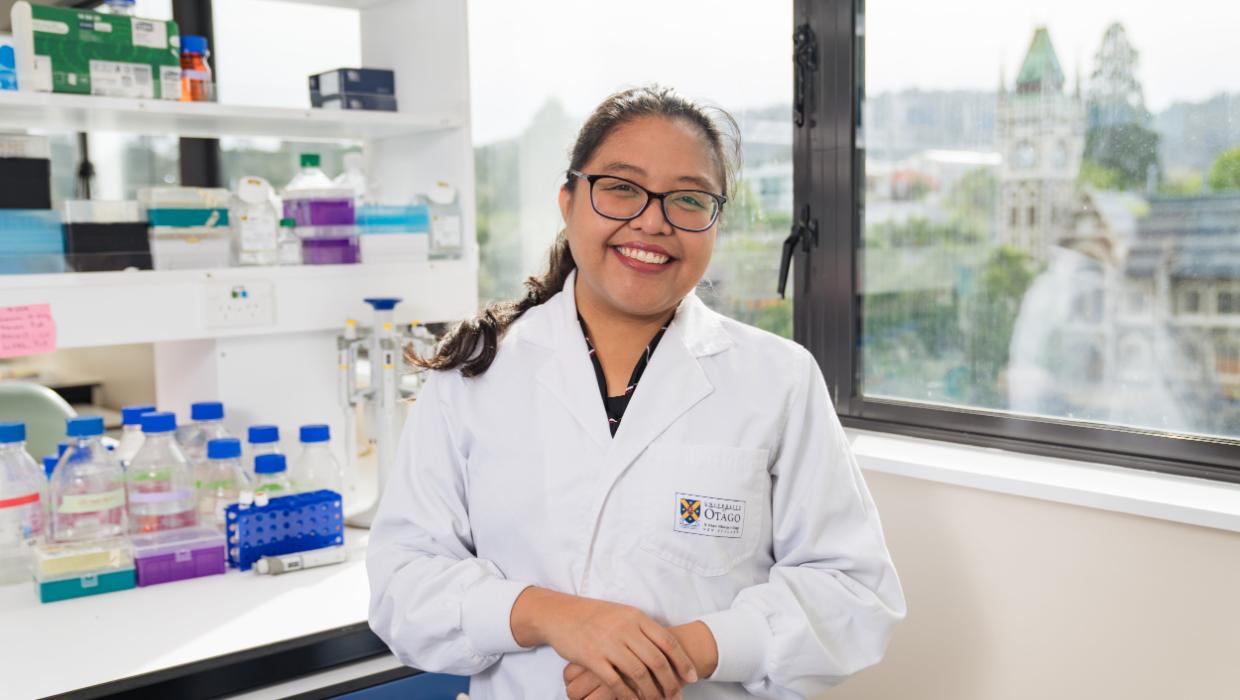
A childhood friend’s battle with cancer has inspired a South Island researcher to pursue groundbreaking work in cancer diagnostics. Dr. Judy Ann Cocadiz, based at the University of Otago, has been awarded a three-year, $300,000 post-doctoral fellowship from the Cancer Society. This funding will support her research into a new diagnostic tool aimed at improving the accuracy of early-stage cancer detection.
Dr. Cocadiz’s work focuses on circulating tumour DNA (ctDNA), which are DNA fragments released into the bloodstream by cancer cells. The concentration of ctDNA typically increases as cancer progresses, making it a valuable biomarker for diagnosis and monitoring. Currently, testing for ctDNA involves drawing blood samples, which can be problematic in early-stage cancers due to the low concentration of ctDNA present.
In her innovative approach, Dr. Cocadiz is developing a small device designed to be inserted into a blood vessel. This device would act as a “sieve,” capturing ctDNA over a brief period. Such a method could significantly enhance the detection of cancers at their earliest stages and help monitor for residual or recurring cancer post-treatment.
“This device would allow us to collect ctDNA without requiring large blood volumes,” Dr. Cocadiz explained. “Typically, only 8-10 ml of blood is drawn, which is insufficient in early-stage cases. It’s like searching for a needle in a haystack.” By minimizing the discomfort and risk associated with drawing more blood, especially in vulnerable patients such as children or the elderly, her device aims to revolutionize cancer diagnostics.
While Dr. Cocadiz’s research is still in the proof-of-concept phase, she envisions that the device could be used similarly to an intravenous (IV) line. It would be inserted into a patient’s blood vessel with ease and then removed after collecting the necessary ctDNA.
Although there are years of development ahead before clinical implementation, Dr. Cocadiz remains optimistic. “I am incredibly grateful for this grant from the Cancer Society, which not only funds my research but supports the early stages of my career,” she stated.
Her interest in cancer research was ignited during her childhood in the Philippines. At just five years old, Dr. Cocadiz noticed her best friend frequently had large bruises from minor accidents. Concerned, she encouraged her parents to seek medical advice, leading to a diagnosis of early-stage leukaemia. Thanks to swift medical intervention, her friend received immediate treatment and is now doing well.
Reflecting on her journey, Dr. Cocadiz acknowledged that while she initially considered becoming a doctor, she found her true calling in cancer research. “Everything just kind of fell into place, and I am really glad I ended up in cancer research,” she said, emphasizing her commitment to improving outcomes for cancer patients.
As she embarks on this pivotal research journey, Dr. Cocadiz’s work holds the promise of not only advancing scientific knowledge but also making a tangible difference in the lives of those affected by cancer.











New Zealand’s Happiness Boosted by Meal Sharing and Altruism

Interior Designer Matt Reid Shares Insights on All-White Interiors

Former Police Commissioner Resigns Amid Allegations of Misconduct

Researcher Develops Innovative Tool for Early Cancer Detection

Rieko Ioane Shines in Debut for Leinster with Champions Cup Win

Chris Cairns Reflects on Life Struggles, Illness, and Hope

Authorities Move to Confiscate Mongrel Mob Gang Headquarters

Swedish Central Bank Governor Takes Office Amid Ikea Buzz

Nick Ascroft’s Poignant Poetry Collection Explores Death with Humor

Private Funeral Held for Dean Field and His Three Children

Funeral Planned for Field Siblings After Tragic House Fire

Netball New Zealand Stands Down Dame Noeline Taurua for Series

Tributes Pour In for Lachlan Rofe, Reality Star, Dead at 47

New ‘Maverick’ Chaser Joins Beat the Chasers Season Finale

Silver Ferns Legend Laura Langman Criticizes Team’s Attitude

Eli Katoa Rushed to Hospital After Sideline Incident During Match

Investigation Underway in Tragic Sanson House Fire Involving Family

Netball NZ Calls for Respect Amid Dame Taurua’s Standoff
-
 World2 weeks ago
Private Funeral Held for Dean Field and His Three Children
-
 Top Stories2 weeks ago
Funeral Planned for Field Siblings After Tragic House Fire
-
 Sports3 months ago
Netball New Zealand Stands Down Dame Noeline Taurua for Series
-
 Entertainment3 months ago
Tributes Pour In for Lachlan Rofe, Reality Star, Dead at 47
-
 Entertainment2 months ago
New ‘Maverick’ Chaser Joins Beat the Chasers Season Finale
-
 Sports3 months ago
Silver Ferns Legend Laura Langman Criticizes Team’s Attitude
-
 Sports1 month ago
Eli Katoa Rushed to Hospital After Sideline Incident During Match
-
 World3 weeks ago
Investigation Underway in Tragic Sanson House Fire Involving Family
-
 Politics2 months ago
Netball NZ Calls for Respect Amid Dame Taurua’s Standoff
-
 Top Stories2 weeks ago
Shock and Grief Follow Tragic Family Deaths in New Zealand
-

 Entertainment3 months ago
Khloe Kardashian Embraces Innovative Stem Cell Therapy in Mexico
-
 World4 months ago
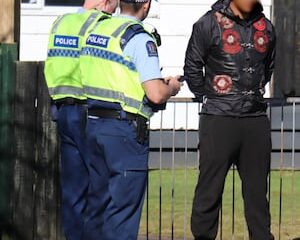
Police Arrest Multiple Individuals During Funeral for Zain Taikato-Fox