
Science
Scientists Transform Skin Cells into Viable Human Eggs

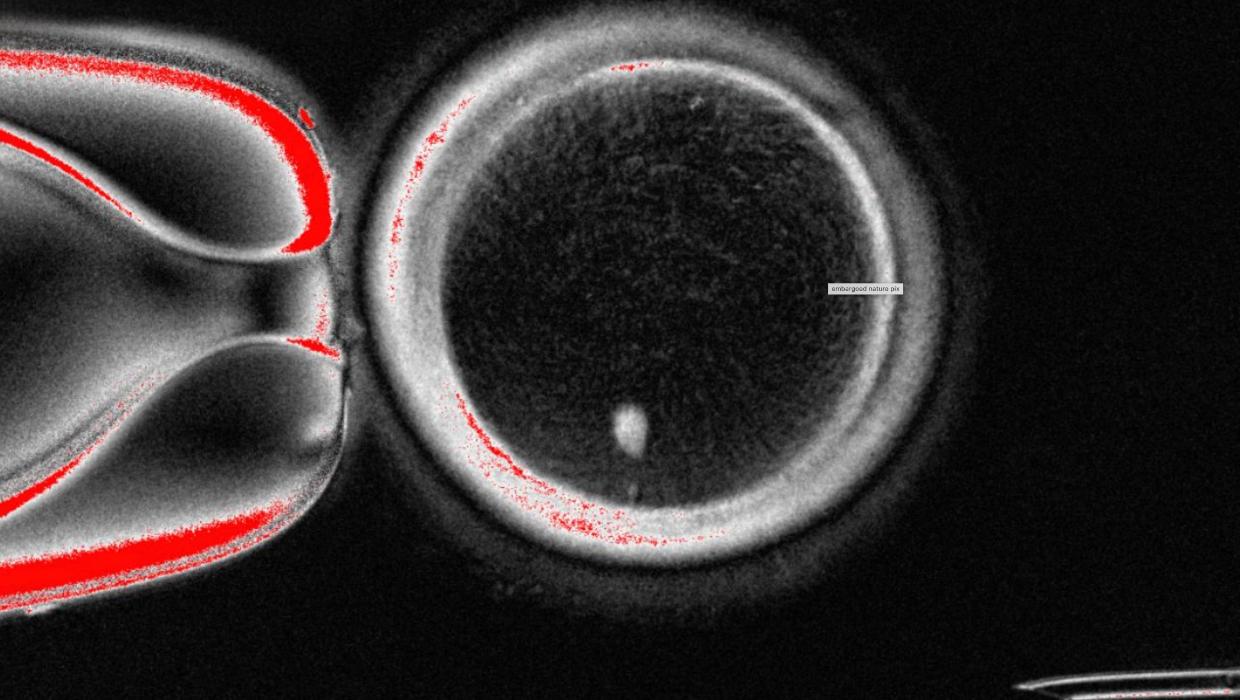
Researchers in the United States have successfully transformed human skin cells into fertilizable eggs, marking a significant advancement in reproductive science. This breakthrough could pave the way for the development of lab-grown eggs and sperm, offering new possibilities for individuals and couples facing fertility challenges.
The study, conducted by a team at the University of California, Los Angeles, was published in a leading scientific journal in 2023. By reprogramming skin cells into pluripotent stem cells, the researchers created gametes that can potentially be fertilized. This innovative approach represents a crucial milestone in the ongoing quest to assist those who are unable to conceive naturally.
Potential Impact on Fertility Treatments
The implications of this research extend far beyond basic science. If lab-grown eggs and sperm can be developed and proven safe for use, they may provide solutions for a range of fertility issues. Individuals with genetic disorders, same-sex couples, and those undergoing medical treatments that affect fertility could benefit from this technology.
The process involved turning mature skin cells into induced pluripotent stem cells, which were then guided to develop into egg cells. This method not only provides a new avenue for generating gametes but also raises questions about the ethical considerations surrounding reproductive technology.
Dr. Yoshinori Yamashita, one of the lead researchers on the project, emphasized the importance of these findings. “We are moving closer to a future where individuals who struggle with fertility may have access to new treatment options that were previously unimaginable,” he stated.
Future Research Directions
While this research represents a promising step forward, further studies are necessary to ensure the safety and efficacy of the lab-grown eggs. Researchers will need to explore how these eggs can be successfully fertilized and developed into viable embryos.
The scientists are also focused on conducting long-term studies to better understand the potential genetic implications of using lab-grown gametes. As they continue to investigate this groundbreaking technology, the goal remains to provide safe, effective reproductive options for all individuals.
Overall, the ability to create fertilizable eggs from skin cells could revolutionize the field of reproductive medicine. As research progresses, it may transform the landscape of fertility treatments, providing hope to many who seek to start families.












U-23 Gulf Cup Kicks Off in Qatar, Coaches Highlight Development

German President Frank-Walter Steinmeier Visits UK to Strengthen Ties

Community Pushes for Restoration of Ōhope Beach Walkway

Dr. William Happer Challenges Climate Emergency Narrative on Podcast

Former Black Caps Players Raise Concerns Over Proposed NZ20 League

Urgent Airlift for Conjoined Twins from PNG to Australia

Ryan Fox Sets Australian Open Pace with Six-Under Start

Smart City Expo Doha Concludes, Shaping Urban Futures in MENA

Quentin Tarantino Critiques Paul Dano’s Performance in Iconic Film

Private Funeral Held for Dean Field and His Three Children

Funeral Planned for Field Siblings After Tragic House Fire

Netball New Zealand Stands Down Dame Noeline Taurua for Series

Tributes Pour In for Lachlan Rofe, Reality Star, Dead at 47

New ‘Maverick’ Chaser Joins Beat the Chasers Season Finale

Silver Ferns Legend Laura Langman Criticizes Team’s Attitude

Eli Katoa Rushed to Hospital After Sideline Incident During Match

Investigation Underway in Tragic Sanson House Fire Involving Family

Netball NZ Calls for Respect Amid Dame Taurua’s Standoff
-
 World1 week ago
Private Funeral Held for Dean Field and His Three Children
-
 Top Stories2 weeks ago
Funeral Planned for Field Siblings After Tragic House Fire
-
 Sports3 months ago
Netball New Zealand Stands Down Dame Noeline Taurua for Series
-
 Entertainment3 months ago
Tributes Pour In for Lachlan Rofe, Reality Star, Dead at 47
-
 Entertainment2 months ago
New ‘Maverick’ Chaser Joins Beat the Chasers Season Finale
-
 Sports3 months ago
Silver Ferns Legend Laura Langman Criticizes Team’s Attitude
-
 Sports1 month ago
Eli Katoa Rushed to Hospital After Sideline Incident During Match
-
 World2 weeks ago
Investigation Underway in Tragic Sanson House Fire Involving Family
-
 Politics2 months ago
Netball NZ Calls for Respect Amid Dame Taurua’s Standoff
-

 Top Stories2 weeks ago
Shock and Grief Follow Tragic Family Deaths in New Zealand
-

 Entertainment3 months ago
Khloe Kardashian Embraces Innovative Stem Cell Therapy in Mexico
-

 World4 months ago
Police Arrest Multiple Individuals During Funeral for Zain Taikato-Fox