
World
Auckland Expands Yellow-Legged Hornet Surveillance Zone to 11km

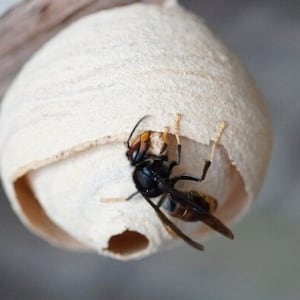
Auckland has recently expanded the surveillance zone for yellow-legged hornets to cover an area of 11 kilometers across the North Shore and beyond the Auckland Harbour Bridge. This decision follows the latest recommendations from an independent technical advisory group, which evaluated the potential risk of the invasive species.
Previously, the surveillance zone was limited to a 5-kilometer radius surrounding detection sites in Glenfield and Birkdale. This extension aims to provide greater assurance that any hornet incursion is confined to a single population within the local area. Mike Inglis, Commissioner of Biosecurity New Zealand for the northern region, emphasized the importance of this move, stating, “This will provide greater assurance that the hornet incursion is a single population contained to the local area and allow us to respond quickly if there has been any spread.”
The decision to increase surveillance comes at a crucial time, as authorities anticipate a rise in foraging activity among worker hornets. The expanded surveillance zone will enable faster responses to any signs of population growth or movement, which is essential for effective biosecurity management.
As part of this enhanced monitoring effort, local residents are encouraged to report any sightings of yellow-legged hornets. The species poses a threat to native ecosystems and agriculture, making vigilance a priority for both the public and authorities. The initiative highlights the ongoing commitment of Biosecurity New Zealand to protect local biodiversity and prevent potential ecological disruptions.
Residents within the newly designated surveillance area are advised to familiarize themselves with the appearance of yellow-legged hornets to aid in identification. The hornets are known for their distinctive yellow legs and large size, making them relatively easy to spot, especially during the warmer months when foraging intensifies.
The extended surveillance area will allow for more comprehensive monitoring and timely interventions as necessary. Biosecurity New Zealand is dedicated to safeguarding the natural environment and ensuring that any potential threats are addressed promptly. The organization remains vigilant in its efforts to manage biosecurity risks effectively, with a focus on protecting the unique ecosystems of Auckland and its surrounding regions.
As the situation develops, officials will continue to assess the threat level and adapt their strategies accordingly, prioritizing both public safety and environmental integrity.











Blair Tickner’s Comeback Cut Short by Injury in Cricket Season

Auckland Expands Yellow-Legged Hornet Surveillance Zone to 11km

Major Raids Uncover Millions in Illegal Poker Operations in Auckland

Air New Zealand Unveils New 200-Seat Lounge at Auckland Airport

“Eternity Delivers Heartfelt Journey Through Love and Afterlife”

Jason Holland Leaves All Blacks to Rejoin Hurricanes Coaching Staff

Rotorua Student Casey Paul Celebrated for 13 Years of Perfect Attendance

Search Intensifies for Missing Greymouth Mother and Her Children

Westpac Raises Interest Rates as Economy Approaches a Turning Point

Private Funeral Held for Dean Field and His Three Children

Funeral Planned for Field Siblings After Tragic House Fire

Netball New Zealand Stands Down Dame Noeline Taurua for Series

Tributes Pour In for Lachlan Rofe, Reality Star, Dead at 47

New ‘Maverick’ Chaser Joins Beat the Chasers Season Finale

Silver Ferns Legend Laura Langman Criticizes Team’s Attitude

Eli Katoa Rushed to Hospital After Sideline Incident During Match

Investigation Underway in Tragic Sanson House Fire Involving Family

Netball NZ Calls for Respect Amid Dame Taurua’s Standoff
-
 World2 weeks ago
Private Funeral Held for Dean Field and His Three Children
-
 Top Stories3 weeks ago
Funeral Planned for Field Siblings After Tragic House Fire
-
 Sports3 months ago
Netball New Zealand Stands Down Dame Noeline Taurua for Series
-
 Entertainment3 months ago
Tributes Pour In for Lachlan Rofe, Reality Star, Dead at 47
-
 Entertainment2 months ago
New ‘Maverick’ Chaser Joins Beat the Chasers Season Finale
-
 Sports3 months ago
Silver Ferns Legend Laura Langman Criticizes Team’s Attitude
-
 Sports1 month ago
Eli Katoa Rushed to Hospital After Sideline Incident During Match
-
 World3 weeks ago
Investigation Underway in Tragic Sanson House Fire Involving Family
-
 Politics2 months ago
Netball NZ Calls for Respect Amid Dame Taurua’s Standoff
-

 Top Stories3 weeks ago
Shock and Grief Follow Tragic Family Deaths in New Zealand
-

 Entertainment3 months ago
Khloe Kardashian Embraces Innovative Stem Cell Therapy in Mexico
-
 World4 months ago
Police Arrest Multiple Individuals During Funeral for Zain Taikato-Fox