
Sports
Kiwi Surgeon Restores Careers of International Cricketers

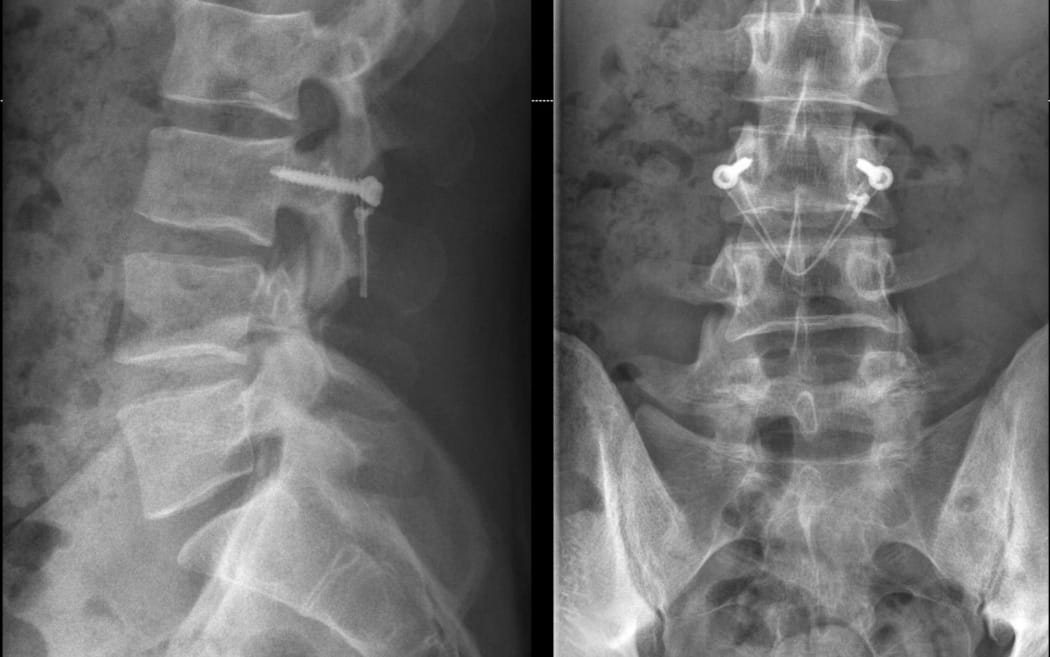
A significant number of international cricketers are turning to Christchurch-based orthopaedic spine surgeon Dr Rowan Schouten for help with serious stress fractures that can end careers. With a solid reputation built over the past decade, Schouten has become a trusted figure for cricketers from New Zealand, Australia, India, and Europe, all seeking to return to the field after injuries that could otherwise sideline them indefinitely.
Operating at St George’s Hospital, Schouten performs 2-3 surgeries on cricketers annually. While this represents a small fraction of his overall workload, it has garnered considerable attention in the sporting community. “We do 200-300 operations a year, and while the cricketers’ cases are niche, they have significant implications for the players’ livelihoods,” Schouten explained.
Building a Global Reputation
The journey to becoming a ‘go-to’ surgeon for cricketers began with former Black Cap fast bowler Shane Bond, who had faced the prospect of early retirement due to stress fractures. Bond sought help from Schouten’s mentor, Dr Grahame Inglis, who developed an innovative surgical technique involving cables and screws. This method enabled Bond to return to the pitch. After learning from Inglis, Schouten collaborated with him on surgeries for several New Zealand cricketers, leading to international recognition.
“Australian players were the first to embrace the idea of surgery for their persistent injuries,” Schouten noted. With Bond’s influence, many cricketers now reach out to him directly, creating a network of referrals. “We’ve operated on over 25 professional cricketers worldwide, and while technically straightforward, the operation’s success is appealing to those seeking treatment,” he added.
Notable athletes like Indian bowlers Jasprit Bumrah and Prasidh Krishna, as well as Australian players Jason Behrendorff, James Pattinson, Cameron Green, and Lance Morris, have sought Schouten’s expertise. Additionally, Black Caps Matt Henry and Kyle Jamieson are among those who have benefited from his surgical interventions.
Understanding the Impact of Stress Fractures
Schouten emphasized that stress fractures are not unique to cricket; they also occur in sports such as gymnastics, tennis, and volleyball. He indicated that cricketers have one of the highest incidence rates of stress fractures among athletes. “The spine struggles to tolerate hyperextension loading, which is common in many sports,” he said.
A survey of New Zealand’s male fast bowlers revealed that approximately 45 percent had experienced a lumbar stress injury at some point in their careers. Comparatively, data from Cricket Australia indicated that 39 percent of their contracted male fast bowlers had similar injuries over the past 12 years. Schouten pointed out that stress fractures develop gradually, often starting with bone bruising before leading to micro damage and eventual fractures.
Preventative measures are crucial. Some cricket governing bodies, including the England & Wales Cricket Board, use Magnetic Resonance Imaging (MRI) scans throughout the season to monitor players for stress. This proactive approach allows teams to make informed decisions regarding player selection and rest periods.
Schouten noted that the key risk factor for stress fractures is the volume of bowling. In the current landscape, where players participate in numerous formats and series, workloads can escalate rapidly, increasing the risk of injury. To mitigate this, bowling loads are carefully monitored to prevent dangerous spikes that could lead to stress fractures.
Challenges and Solutions Beyond Surgery
Although Schouten has experienced success with surgical interventions, he emphasized that the majority of cricketers with stress fractures do not require surgery. “A young player in school cricket faces a different scenario compared to an international cricketer whose career may hinge on timely treatment,” he stated.
For many, a six-month rehabilitation period can effectively resolve the issue. Surgery is typically considered only for recurring injuries that significantly disrupt a player’s career. “While surgery can be successful, it is not a guaranteed fix, and some players may still experience recurrences,” Schouten warned.
He stressed the importance of ongoing conditioning and workload management post-surgery. “The bowling action itself places considerable stress on the lumbar spine, and maintaining proper conditioning is essential for long-term recovery,” he noted.
In conclusion, Dr Rowan Schouten is playing a pivotal role in supporting the careers of international cricketers facing serious injuries. Through innovative surgical techniques and a strong network of referrals, he is helping athletes return to the game, while also addressing the underlying challenges posed by their sport.












New Recall Expands for Asbestos-Contaminated Play Sand Products

NZTA Proposes $3.8 Billion Wellington Mega-Project for Tunnels

News Fix Highlights Key Events Across News, Politics, and Sports

Ōrewa Businesses Demand Enhanced Safety Measures Amid Rising Crime

Long-lost Rubens Painting Fetches €2.94 Million at Auction

David Dimbleby Critiques Monarchy’s Relevance and Wealth

Kiwi Athletes Shine in US College Sports: A New Era Unfolds

Pet Refuge Urges Donations Amid Rising Domestic Violence Cases

Southeast Asia Storm Claims Over 600 Lives as Devastation Mounts

Private Funeral Held for Dean Field and His Three Children

Funeral Planned for Field Siblings After Tragic House Fire

Netball New Zealand Stands Down Dame Noeline Taurua for Series

Tributes Pour In for Lachlan Rofe, Reality Star, Dead at 47

New ‘Maverick’ Chaser Joins Beat the Chasers Season Finale

Silver Ferns Legend Laura Langman Criticizes Team’s Attitude

Eli Katoa Rushed to Hospital After Sideline Incident During Match

Netball NZ Calls for Respect Amid Dame Taurua’s Standoff

Investigation Underway in Tragic Sanson House Fire Involving Family
-
 World6 days ago
Private Funeral Held for Dean Field and His Three Children
-
 Top Stories1 week ago
Funeral Planned for Field Siblings After Tragic House Fire
-
 Sports3 months ago
Netball New Zealand Stands Down Dame Noeline Taurua for Series
-
 Entertainment3 months ago
Tributes Pour In for Lachlan Rofe, Reality Star, Dead at 47
-
 Entertainment2 months ago
New ‘Maverick’ Chaser Joins Beat the Chasers Season Finale
-
 Sports3 months ago
Silver Ferns Legend Laura Langman Criticizes Team’s Attitude
-
 Sports4 weeks ago
Eli Katoa Rushed to Hospital After Sideline Incident During Match
-
 Politics2 months ago
Netball NZ Calls for Respect Amid Dame Taurua’s Standoff
-
 World2 weeks ago
Investigation Underway in Tragic Sanson House Fire Involving Family
-

 Entertainment3 months ago
Khloe Kardashian Embraces Innovative Stem Cell Therapy in Mexico
-

 Sports4 weeks ago
Jamie Melham Triumphs Over Husband Ben in Melbourne Cup Victory
-
 World4 months ago
Police Arrest Multiple Individuals During Funeral for Zain Taikato-Fox