
Science
New Research Defines Key Stages of Brain Development

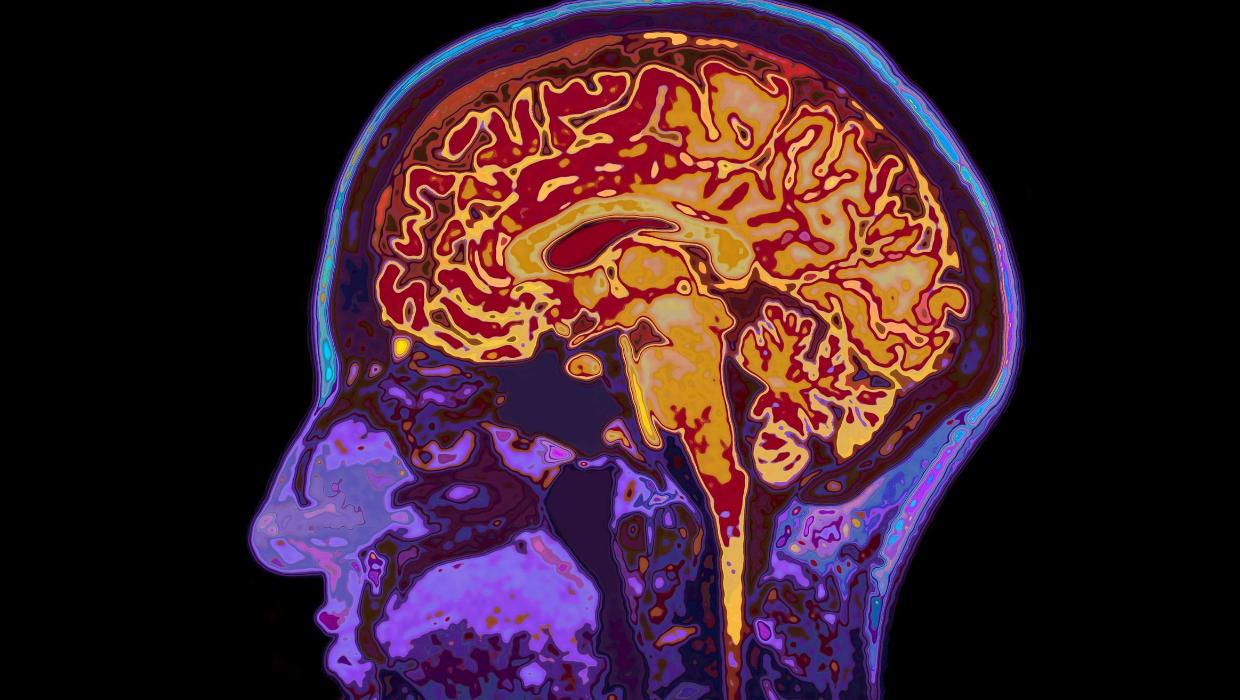
A groundbreaking study from the University of Cambridge reveals that the human brain continues to develop well into a person’s early thirties. The research identifies five distinct epochs of brain development and highlights four major turning points throughout an individual’s life.
The study emphasizes that adolescence, traditionally viewed as a phase ending in late teenage years, actually extends until around the age of 32. This challenges long-held beliefs about brain maturity and suggests that significant cognitive and emotional development occurs even after traditional markers of adulthood.
Researchers observed that these developmental stages are critical in shaping personality, decision-making, and emotional regulation. The findings indicate that the brain undergoes substantial changes during each epoch, influencing how individuals respond to their environment and relationships.
Significant Findings on Ageing and Cognitive Function
Alongside the extended adolescent phase, the research also notes that cognitive ageing begins at approximately 66 years. This timeline introduces a new understanding of when individuals may start experiencing declines in cognitive abilities. The study’s authors suggest that recognizing these phases could lead to improved educational and health policies aimed at supporting individuals through these transitions.
The research team utilized advanced imaging techniques to analyze brain activity in various age groups. Their findings reveal that while the brain becomes less plastic—meaning it is less adaptable—after the mid-thirties, it still retains the capacity for learning and change throughout life.
Implications for Education and Mental Health
These insights have profound implications for education and mental health strategies. By understanding that brain development continues into the early thirties, educators may adapt teaching methods to better suit the learning capabilities of young adults. Furthermore, mental health professionals can consider these developmental stages when addressing issues such as anxiety and depression, which often emerge during these transitional periods.
The research aligns with an increasing body of evidence suggesting that the brain’s ability to learn and adapt does not cease at a specific age. Instead, it evolves, requiring tailored approaches to education and mental health care.
In conclusion, the findings from the University of Cambridge shed new light on brain development and ageing, presenting a more nuanced view of human cognitive growth over a lifetime. Understanding these stages can help shape a society that supports individuals through their various life transitions, ultimately enhancing overall well-being.













New $25 Million Funding Boosts Hospital Capacity Ahead of Winter

Discover Sleep Space’s Affordable Bach Bed Packages Today

Jury Dismissed in Sexual Assault Trial Over Misguided Questions

Wellington’s New Gallery Unveils Community-Driven Art Exhibition

All Whites Face Challenges as Injuries Strike Before World Cup

Heroic Bystander Rescues Swimmers from Dangerous Surf in Napier

Nina Oyama Returns to Crime Comedy in Deadloch Season 2

China Southern Airlines Offers Reliable Journey from Auckland to Vietnam

Nina Oyama Returns to Deadloch for Anticipated Season 2

Community Mourns Teens Lost in Mount Maunganui Landslide

Tributes Pour In for Lachlan Rofe, Reality Star, Dead at 47

Private Funeral Held for Dean Field and His Three Children

Funeral Planned for Field Siblings After Tragic House Fire

Netball New Zealand Stands Down Dame Noeline Taurua for Series

Al Waha Motors Opens Flagship Jetour Showroom in Al Khor

Julian Dennison Ties the Knot with Christian Baledrokadroka in New Zealand

Auckland’s Average Rent Surpasses $700 for Three-Bedroom Homes

New Research Reveals Simple Path to Enhanced Happiness
-
 Top Stories7 months ago
Community Mourns Teens Lost in Mount Maunganui Landslide
-
 Entertainment11 months ago
Tributes Pour In for Lachlan Rofe, Reality Star, Dead at 47
-
 World9 months ago
Private Funeral Held for Dean Field and His Three Children
-
 Top Stories9 months ago
Funeral Planned for Field Siblings After Tragic House Fire
-
 Sports11 months ago
Netball New Zealand Stands Down Dame Noeline Taurua for Series
-
 Health7 months ago
Al Waha Motors Opens Flagship Jetour Showroom in Al Khor
-
 Entertainment7 months ago
Julian Dennison Ties the Knot with Christian Baledrokadroka in New Zealand
-
 Business7 months ago
Auckland’s Average Rent Surpasses $700 for Three-Bedroom Homes
-
 Science10 months ago
New Research Reveals Simple Path to Enhanced Happiness
-

 Entertainment10 months ago
New ‘Maverick’ Chaser Joins Beat the Chasers Season Finale
-

 Lifestyle10 months ago
Maia Wilson Faces Backlash Following Taurua’s Suspension
-

 Sports10 months ago
All Blacks Star Damian McKenzie and Partner Announce Baby News