
Politics
Andrew Coster Resigns: Acknowledging Mistakes and Taking Responsibility


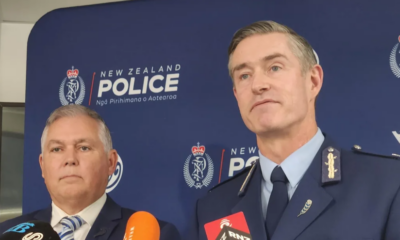
Andrew Coster has resigned from his position as the Commissioner of Police, acknowledging his mistakes in a situation that has attracted significant scrutiny. Following discussions with Sir Brian Roche, the chair of the Police Commission, Coster decided to step down after three weeks of deliberation. His resignation comes amid controversies related to his handling of past allegations against his predecessor, Jevon McSkimming.
Coster’s resignation letter was notable for its transparency and accountability. He expressed that he was in charge and accepted full responsibility for the events that led to this outcome. The letter was devoid of the typical evasive language often found in such communications, instead offering a candid admission of his errors.
The circumstances surrounding Coster’s resignation are particularly complex. Coster had previously been involved with McSkimming, who faced allegations of sexual impropriety from a woman with whom he had an affair prior to Coster’s tenure as Commissioner. Coster’s acceptance of McSkimming’s version of events raised questions about his judgment and credibility.
Financial Implications and Context
Coster’s salary was approximately $500,000 per year, which means his payout upon resignation will be around $125,000. While this figure may seem substantial, it is quite standard for such high-level positions. Reports indicate that Coster did not seek any additional compensation or pursue legal channels, suggesting that he preferred to exit with dignity rather than complicate the situation further.
The response to Coster’s resignation has been mixed. While some critics argue that he should have issued a public statement immediately after the initial report surfaced, the fact remains that he did take responsibility for his actions. Roche has been clear that, had Coster not resigned, he would have faced termination.
Contrasts with Previous Resignations
The handling of Coster’s resignation stands in stark contrast to the departure of Adrian Orr, the former Governor of the Reserve Bank. Orr’s resignation was initially described simply as a “personal decision,” with details about conflicts with the board and behavioral concerns emerging later. This lack of transparency ultimately led to further fallout, including the resignation of Neil Quigley, the chairperson of the Reserve Bank.
In contrast, both Coster and Roche have maintained a commitment to transparency throughout this process. Coster’s decision to resign has been viewed as a necessary course of action, given the serious mistakes he made. The public service system appears to have functioned as intended, addressing issues of accountability at high levels of leadership.
Although Coster’s resignation may not satisfy all critics, it is a step towards restoring some level of integrity within the organization. With ongoing investigations related to McSkimming, it is likely that this story is far from over. The repercussions of these events will continue to unfold, further impacting the public perception of leadership within the police force.







New $25 Million Funding Boosts Hospital Capacity Ahead of Winter

Discover Sleep Space’s Affordable Bach Bed Packages Today

Jury Dismissed in Sexual Assault Trial Over Misguided Questions

Wellington’s New Gallery Unveils Community-Driven Art Exhibition

All Whites Face Challenges as Injuries Strike Before World Cup

Heroic Bystander Rescues Swimmers from Dangerous Surf in Napier

Nina Oyama Returns to Crime Comedy in Deadloch Season 2

China Southern Airlines Offers Reliable Journey from Auckland to Vietnam

Nina Oyama Returns to Deadloch for Anticipated Season 2

Community Mourns Teens Lost in Mount Maunganui Landslide

Tributes Pour In for Lachlan Rofe, Reality Star, Dead at 47

Private Funeral Held for Dean Field and His Three Children

Funeral Planned for Field Siblings After Tragic House Fire

Netball New Zealand Stands Down Dame Noeline Taurua for Series

Julian Dennison Ties the Knot with Christian Baledrokadroka in New Zealand

Al Waha Motors Opens Flagship Jetour Showroom in Al Khor

Auckland’s Average Rent Surpasses $700 for Three-Bedroom Homes

New Research Reveals Simple Path to Enhanced Happiness
-
 Top Stories6 months ago
Community Mourns Teens Lost in Mount Maunganui Landslide
-
 Entertainment11 months ago
Tributes Pour In for Lachlan Rofe, Reality Star, Dead at 47
-
 World8 months ago
Private Funeral Held for Dean Field and His Three Children
-
 Top Stories8 months ago
Funeral Planned for Field Siblings After Tragic House Fire
-
 Sports11 months ago
Netball New Zealand Stands Down Dame Noeline Taurua for Series
-
 Entertainment6 months ago
Julian Dennison Ties the Knot with Christian Baledrokadroka in New Zealand
-
 Health6 months ago
Al Waha Motors Opens Flagship Jetour Showroom in Al Khor
-
 Business7 months ago
Auckland’s Average Rent Surpasses $700 for Three-Bedroom Homes
-
 Science9 months ago
New Research Reveals Simple Path to Enhanced Happiness
-

 Entertainment10 months ago
New ‘Maverick’ Chaser Joins Beat the Chasers Season Finale
-

 Lifestyle10 months ago
Maia Wilson Faces Backlash Following Taurua’s Suspension
-

 Sports9 months ago
All Blacks Star Damian McKenzie and Partner Announce Baby News