
Politics
Andrew Coster’s Departure Marks a Shift in New Zealand Policing

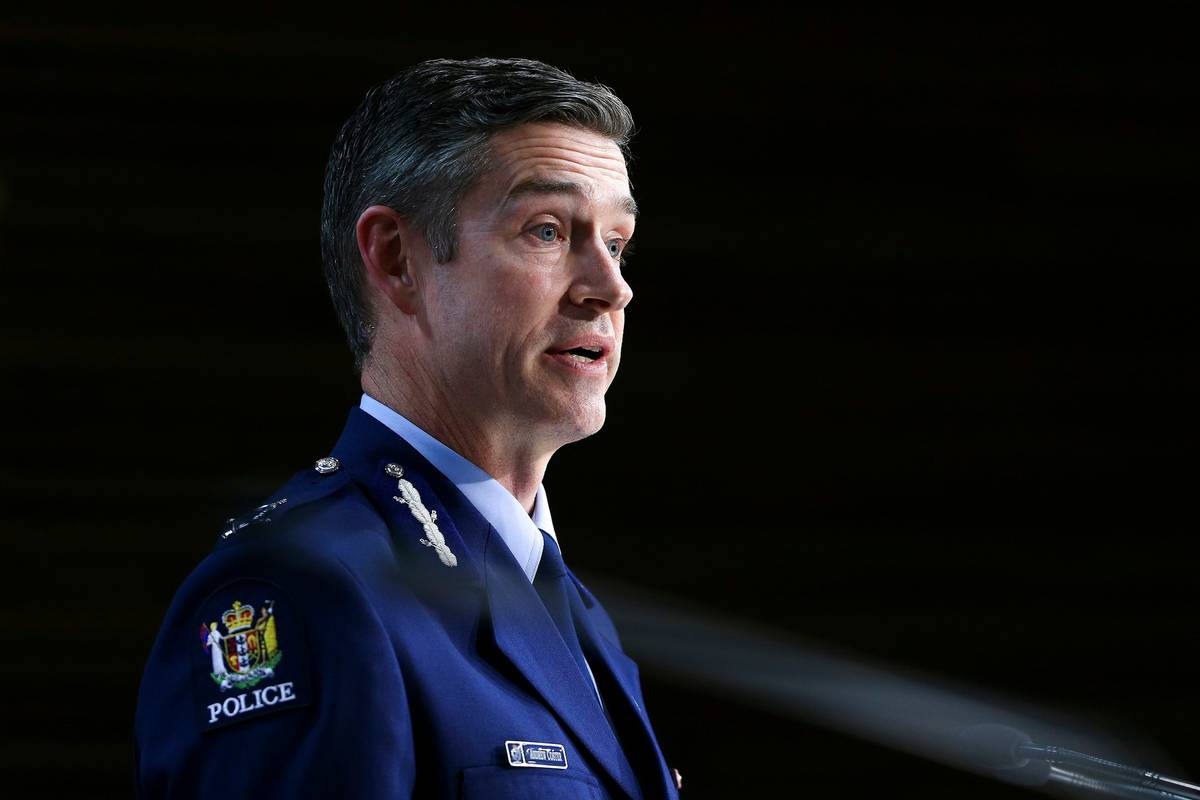
Andrew Coster has stepped down as New Zealand’s Commissioner of Police following a turbulent period marked by controversy. The Public Service Commissioner has confirmed that Coster did not engage in any personal wrongdoing, a significant acknowledgment amidst allegations of a cover-up and corruption that had previously surrounded his leadership.
Coster’s exit comes after a series of challenging decisions that raised questions about his judgment. While he has been cleared of individual misconduct, the implications of his role in the police force led to mounting political pressure, ultimately resulting in his resignation. This development showcases a nuanced victory for Coster, highlighting that while he leaves his position, his reputation has been somewhat vindicated.
Political Context and Leadership Challenges
The situation surrounding Coster has been rife with political maneuvering. Several ministers and the newly appointed police commissioner had publicly accused him of a cover-up, intensifying calls for accountability and reform within the police. Critics had painted the scandal as a significant failure, leading to heightened scrutiny of the police’s handling of sensitive issues.
Despite these accusations, observers like Brian Roach noted that Coster’s tenure was more complicated than the allegations suggested. Roach emphasized that Coster made several questionable decisions, which ultimately eroded trust in his leadership. “Even though he did nothing wrong, the buck stopped with him at the police,” Roach stated. Such remarks underscore the complexities of leadership in high-stakes environments where public perception can swiftly turn against even well-intentioned officials.
The Future of Leadership in New Zealand Police
Coster’s departure has sparked discussions about the future direction of the New Zealand Police. While he had been criticized for his performance in the role, some believed he would have been better suited to lead the Social Investment Agency, which focuses on proactive social interventions rather than traditional law enforcement. His approach was characterized by a focus on community engagement and early intervention, often referred to as “warm fuzzies.”
As the police force looks to rebuild, questions remain about how the government will proceed in finding a successor who can navigate the political landscape and restore public confidence. The financial implications of Coster’s exit also come into play, as he will receive NZD 124,000 as part of his notice period. This amount, while significant, is viewed as a necessary payment to ensure a smooth transition.
Coster’s resignation represents a pivotal moment for the New Zealand Police, as they work to regain trust and address the challenges that have arisen during his tenure. While he may have secured a degree of personal vindication, the path forward for the police will require strong leadership and a commitment to transparency and accountability in order to restore public faith.








New $25 Million Funding Boosts Hospital Capacity Ahead of Winter

Discover Sleep Space’s Affordable Bach Bed Packages Today

Jury Dismissed in Sexual Assault Trial Over Misguided Questions

Wellington’s New Gallery Unveils Community-Driven Art Exhibition

All Whites Face Challenges as Injuries Strike Before World Cup

Heroic Bystander Rescues Swimmers from Dangerous Surf in Napier

Nina Oyama Returns to Crime Comedy in Deadloch Season 2

China Southern Airlines Offers Reliable Journey from Auckland to Vietnam

Nina Oyama Returns to Deadloch for Anticipated Season 2

Community Mourns Teens Lost in Mount Maunganui Landslide

Tributes Pour In for Lachlan Rofe, Reality Star, Dead at 47

Private Funeral Held for Dean Field and His Three Children

Funeral Planned for Field Siblings After Tragic House Fire

Netball New Zealand Stands Down Dame Noeline Taurua for Series

Julian Dennison Ties the Knot with Christian Baledrokadroka in New Zealand

Al Waha Motors Opens Flagship Jetour Showroom in Al Khor

Auckland’s Average Rent Surpasses $700 for Three-Bedroom Homes

New Research Reveals Simple Path to Enhanced Happiness
-
 Top Stories6 months ago
Community Mourns Teens Lost in Mount Maunganui Landslide
-
 Entertainment11 months ago
Tributes Pour In for Lachlan Rofe, Reality Star, Dead at 47
-
 World8 months ago
Private Funeral Held for Dean Field and His Three Children
-
 Top Stories8 months ago
Funeral Planned for Field Siblings After Tragic House Fire
-
 Sports11 months ago
Netball New Zealand Stands Down Dame Noeline Taurua for Series
-
 Entertainment6 months ago
Julian Dennison Ties the Knot with Christian Baledrokadroka in New Zealand
-
 Health6 months ago
Al Waha Motors Opens Flagship Jetour Showroom in Al Khor
-
 Business7 months ago
Auckland’s Average Rent Surpasses $700 for Three-Bedroom Homes
-
 Science9 months ago
New Research Reveals Simple Path to Enhanced Happiness
-

 Entertainment10 months ago
New ‘Maverick’ Chaser Joins Beat the Chasers Season Finale
-

 Lifestyle10 months ago
Maia Wilson Faces Backlash Following Taurua’s Suspension
-

 Sports9 months ago
All Blacks Star Damian McKenzie and Partner Announce Baby News