
Top Stories
Innovative Gardening Approach Cuts Costs and Enhances Yields

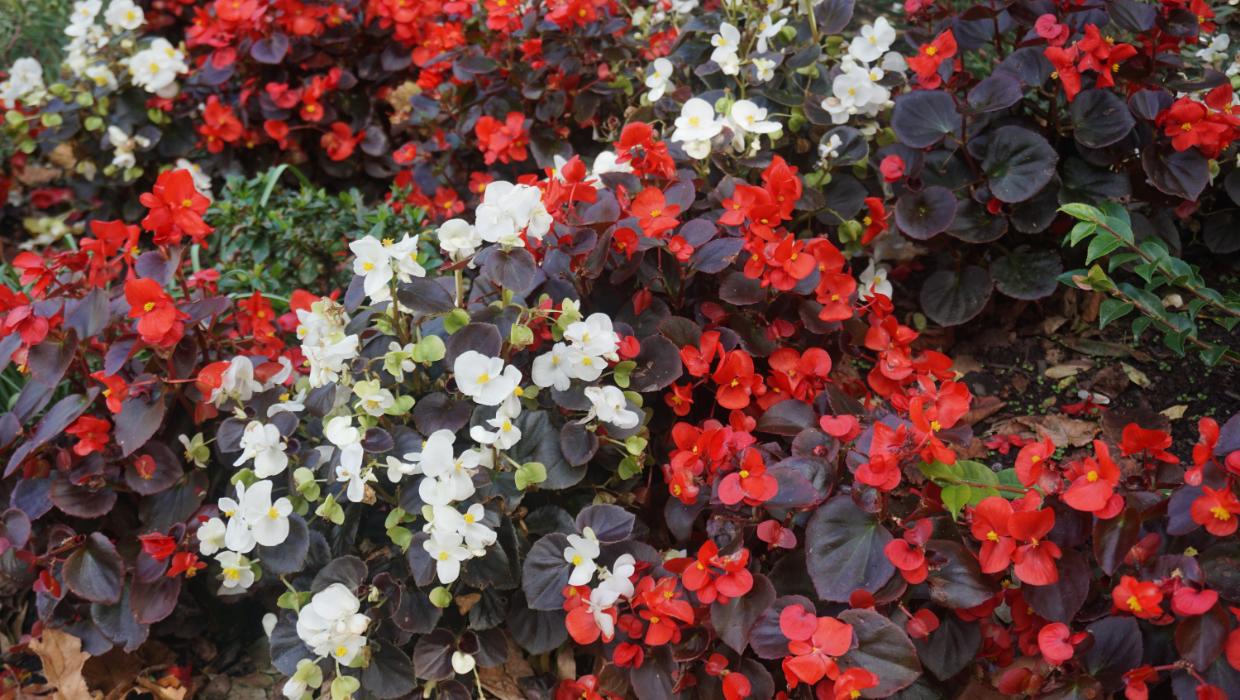
A new approach to flower-growing is gaining popularity among gardening enthusiasts in New Zealand. By embracing traditional methods, gardeners are finding ways to save money while enhancing the productivity of their vegetable beds. This method not only beautifies gardens but also promotes biodiversity by attracting beneficial insects.
Gardeners like those from the 1970s and 1980s, who once designed vibrant displays of annuals, are shifting focus to more sustainable practices. These practices include planting companion plants that deter pests and enrich the soil. For example, the creative use of mixed-color zinnias has become a staple for many home gardeners. These flowers not only offer a stunning visual display but also support the ecosystem by attracting pollinators.
Annuals, which typically only bloom for one season, are still being planted in home gardens, particularly in visible areas such as front yards and patios. This visibility maximizes the impact of their vibrant colors and creates a welcoming atmosphere. The cost of purchasing young plants can be high, but gardeners are increasingly opting to grow their own from seeds. Kings Seeds, a local seed supplier, offers a variety of options that make this process both economical and rewarding.
For instance, gardeners can sow zinnia seeds in late winter, with seedlings ready for planting once the risk of frost has passed. Using inexpensive potting mix and recycled containers, this method reduces costs while also providing a satisfying gardening experience. The bright blooms of zinnias can last throughout the summer, contributing to the overall aesthetic of the garden.
In addition to zinnias, spring is an ideal time for planting other annuals such as salvias, petunias, begonias, and marigolds. A systematic planting approach, such as using a staggered pattern, can significantly ease maintenance. Gardeners can effectively manage weeds with minimal disruption to the plants by hoeing between rows, ensuring a healthier garden environment.
As the summer season transitions to autumn, the challenge of removing blooming plants arises. Gardeners must exercise self-discipline to remove flowers while they are still vibrant. For example, planting calendulas in April while zinnias are still in bloom ensures that the new plants can establish themselves before the colder months set in. This careful timing allows for a continuous display of color throughout the seasons.
The benefits of this gardening approach extend beyond aesthetics. The diverse range of flowers planted can serve as a food source for beneficial insects, which are crucial for pest control. This is particularly true for daisies like zinnias and calendulas, which attract a variety of pollinators. The self-seeding nature of these flowers can also provide cover crops in vegetable gardens, enriching the soil and promoting overall garden health during the winter months.
By returning to these traditional gardening techniques, home gardeners in New Zealand are not only enhancing the beauty of their spaces but also fostering a more sustainable gardening practice. This approach represents a thoughtful blend of aesthetics, economy, and ecological responsibility, paving the way for future generations of gardeners.










New $25 Million Funding Boosts Hospital Capacity Ahead of Winter

Discover Sleep Space’s Affordable Bach Bed Packages Today

Jury Dismissed in Sexual Assault Trial Over Misguided Questions

Wellington’s New Gallery Unveils Community-Driven Art Exhibition

All Whites Face Challenges as Injuries Strike Before World Cup

Heroic Bystander Rescues Swimmers from Dangerous Surf in Napier

Nina Oyama Returns to Crime Comedy in Deadloch Season 2

China Southern Airlines Offers Reliable Journey from Auckland to Vietnam

Nina Oyama Returns to Deadloch for Anticipated Season 2

Community Mourns Teens Lost in Mount Maunganui Landslide

Tributes Pour In for Lachlan Rofe, Reality Star, Dead at 47

Private Funeral Held for Dean Field and His Three Children

Funeral Planned for Field Siblings After Tragic House Fire

Netball New Zealand Stands Down Dame Noeline Taurua for Series

Al Waha Motors Opens Flagship Jetour Showroom in Al Khor

Julian Dennison Ties the Knot with Christian Baledrokadroka in New Zealand

Auckland’s Average Rent Surpasses $700 for Three-Bedroom Homes

New Research Reveals Simple Path to Enhanced Happiness
-
 Top Stories7 months ago
Community Mourns Teens Lost in Mount Maunganui Landslide
-
 Entertainment11 months ago
Tributes Pour In for Lachlan Rofe, Reality Star, Dead at 47
-
 World9 months ago
Private Funeral Held for Dean Field and His Three Children
-
 Top Stories9 months ago
Funeral Planned for Field Siblings After Tragic House Fire
-
 Sports11 months ago
Netball New Zealand Stands Down Dame Noeline Taurua for Series
-
 Health7 months ago
Al Waha Motors Opens Flagship Jetour Showroom in Al Khor
-
 Entertainment7 months ago
Julian Dennison Ties the Knot with Christian Baledrokadroka in New Zealand
-
 Business7 months ago
Auckland’s Average Rent Surpasses $700 for Three-Bedroom Homes
-
 Science10 months ago
New Research Reveals Simple Path to Enhanced Happiness
-

 Entertainment10 months ago
New ‘Maverick’ Chaser Joins Beat the Chasers Season Finale
-

 Lifestyle11 months ago
Maia Wilson Faces Backlash Following Taurua’s Suspension
-

 Sports10 months ago
All Blacks Star Damian McKenzie and Partner Announce Baby News