
World
Papua New Guinea Faces Surge in Parliamentary Deaths


The recent death of Solan Mirisim, the Minister for Works in Papua New Guinea, has highlighted a troubling trend: an alarming increase in the number of sitting Members of Parliament (MPs) who have died in office. Since 2022, the country has mourned the loss of twelve serving MPs and provincial governors, a significant figure considering that the total number of seats is only 118.
In 2022, just weeks before the national elections, Sam Basil, the Deputy Prime Minister representing Bulolo, suffered a fatal road accident in Morobe. This tragic event was soon followed by the deaths of two more MPs, Chris Nangoi of Sumkar and William Nakin of North Bougainville, within ten weeks. Later that year, Kevin Isifu from Wewak Open also passed away. Initially, these deaths were treated as isolated incidents, but they marked the beginning of a concerning pattern.
The situation escalated in 2023, with the loss of three additional sitting members: Gabriel Kapris from Maprik Open in August, Steven Pim representing Dei in September, and Maso Karipe from Porgera-Paiela in November. This brought the total number of parliamentary deaths to eight by the end of 2023. The trend continued into 2024, culminating in the death of Jimmy Uguro, the former Education Minister, in January, which further underscored the gravity of the situation.
As 2025 began, the death toll continued to rise. Simon Dumarinu of Central Bougainville died in August, followed by the passing of two prominent leaders, Luther Wenge from Morobe Provincial and Sir Julius Chan from New Ireland Provincial, within months of each other. The year concluded with the death of Mirisim on December 2, 2025, deepening the concerns surrounding health and safety in the political landscape of Papua New Guinea.
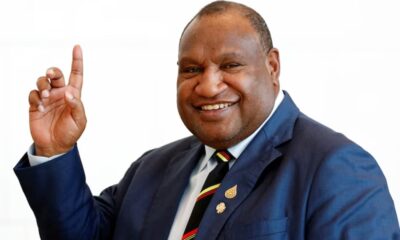
In light of these events, James Marape, the Prime Minister, has expressed his concerns. He urged MPs to prioritize their health amidst the relentless demands of public service. “I urge all MPs to look after their health, given the immense pressure and scrutiny they are under 24/7 from their people,” he stated. Marape extended his condolences to the families of the deceased, emphasizing the need for greater awareness of health issues among parliamentarians.
The geographic distribution of these deaths is noteworthy, with losses spanning across regions including Morobe, Western Highlands, Enga, East Sepik, Madang, West Sepik, Bougainville, and New Ireland. This widespread impact signifies that few areas have remained untouched, leading to significant consequences for local governance. Each death creates a ripple effect: a constituency loses its representative, provincial governments face leadership vacuums, and essential district work stalls. This situation necessitates costly and logistically challenging by-elections, a process complicated by Papua New Guinea’s rugged terrain and security concerns.
For remote areas like Telefomin, the absence of an MP can severely delay vital projects, affecting infrastructure and public services. The administrative burden of organizing by-elections is magnified in Papua New Guinea due to factors such as the need for charter flights, police deployments, and the transport of materials to isolated communities. Such logistical hurdles can prevent timely representation and governance, leaving many constituents without a voice in Parliament for extended periods.
Internally, the series of deaths has led to repeated ministerial reshuffles and changes in committee memberships. The loss of key figures like Basil, Uguro, and Mirisim has disrupted operations in major government departments such as Treasury, Education, and Works, interrupting critical policy initiatives during sensitive periods.
While it is essential to acknowledge the individual circumstances surrounding each death, it is also important not to oversimplify the issue. Access to medical care can be inconsistent, especially for MPs who frequently travel to remote districts. As the nation grapples with this unusual and destabilising trend, the focus on health and well-being among its leaders becomes increasingly vital.











Summer Weddings Take Center Stage as Couples Prepare for Big Days

Taranaki Engineer Launches App to Support Endometriosis Patients

Brown Advocates for Intersection Upgrade While Opposing Cycle Lane

Dr. William Happer Challenges Climate Emergency Claims in Podcast

All Blacks Set for Challenge in 2027 World Cup Draw

Papua New Guinea Faces Surge in Parliamentary Deaths

Couples Prepare for Dream Summer Weddings Across the Globe

Taranaki Engineer Launches App to Support Endometriosis Patients

New Zealand Contributes $15 Million to Ukraine’s Defense Efforts

Private Funeral Held for Dean Field and His Three Children

Funeral Planned for Field Siblings After Tragic House Fire

Netball New Zealand Stands Down Dame Noeline Taurua for Series

Tributes Pour In for Lachlan Rofe, Reality Star, Dead at 47

New ‘Maverick’ Chaser Joins Beat the Chasers Season Finale

Silver Ferns Legend Laura Langman Criticizes Team’s Attitude

Eli Katoa Rushed to Hospital After Sideline Incident During Match

Investigation Underway in Tragic Sanson House Fire Involving Family

Netball NZ Calls for Respect Amid Dame Taurua’s Standoff
-
 World1 week ago
Private Funeral Held for Dean Field and His Three Children
-
 Top Stories2 weeks ago
Funeral Planned for Field Siblings After Tragic House Fire
-
 Sports3 months ago
Netball New Zealand Stands Down Dame Noeline Taurua for Series
-
 Entertainment3 months ago
Tributes Pour In for Lachlan Rofe, Reality Star, Dead at 47
-
 Entertainment2 months ago
New ‘Maverick’ Chaser Joins Beat the Chasers Season Finale
-
 Sports3 months ago
Silver Ferns Legend Laura Langman Criticizes Team’s Attitude
-
 Sports1 month ago
Eli Katoa Rushed to Hospital After Sideline Incident During Match
-
 World2 weeks ago
Investigation Underway in Tragic Sanson House Fire Involving Family
-
 Politics2 months ago
Netball NZ Calls for Respect Amid Dame Taurua’s Standoff
-

 Top Stories2 weeks ago
Shock and Grief Follow Tragic Family Deaths in New Zealand
-

 Entertainment3 months ago
Khloe Kardashian Embraces Innovative Stem Cell Therapy in Mexico
-
 World4 months ago
Police Arrest Multiple Individuals During Funeral for Zain Taikato-Fox