
Business
Aging Population Forces Global Reassessment of Retirement Age


The global population is aging at an unprecedented rate, prompting discussions about raising the retirement age. According to a recent report from the Organisation for Economic Co-operation and Development (OECD), life expectancy has increased significantly, making the current retirement age of 65 increasingly untenable in many countries, including the United Kingdom, United States, Australia, and Canada.
The OECD predicts that by 2050, more than 1.5 billion people will be aged 65 and over. This demographic shift presents challenges for pension systems and healthcare resources. As people live longer, healthier lives, the traditional view of aging and retirement is rapidly changing. The concept that 70 is the new 50 is becoming more relevant as older individuals remain active and capable of contributing to the workforce.
Recent data indicates that the average life expectancy in developed countries has risen to approximately 81 years. This increase raises important questions about how societies will support their aging populations. The current retirement age, which was established decades ago, does not account for this extended lifespan. Experts argue that raising the retirement age could help alleviate the financial strain on public pension systems that are increasingly under pressure.
In the United Kingdom, the government has already begun discussions about possible changes to the retirement age. Currently, the age is set to rise to 67 by 2028, but further increases may be necessary. The United Nations has also commented on the need for countries to adapt their policies to meet the realities of an aging population.
The implications of this demographic shift extend beyond economics. As people remain productive for longer, the workplace must adapt to accommodate older employees. Flexible working arrangements and retraining programs can help ensure that individuals in their sixties and seventies can continue to contribute meaningfully to their organizations.
The ongoing debate about retirement age also reflects broader societal changes. Attitudes toward aging are shifting as more individuals embrace lifelong learning and active lifestyles. Many seniors today refuse to be labeled as “retired,” preferring instead to view themselves as individuals with valuable skills and experiences to offer.
As countries grapple with these challenges, it becomes increasingly clear that policies must be re-evaluated. The traditional model of retirement may no longer serve the needs of an aging population. By adapting to these changes, societies can foster inclusivity and support for all age groups.
In conclusion, the rising life expectancy and the shifting perceptions of aging are reshaping discussions about retirement. Policymakers must consider these factors to ensure sustainable economic growth and support for future generations. With careful planning and foresight, it is possible to create a framework that benefits both older workers and society as a whole.










Celebrated Scientist Gordon McKenzie Remembered for Pioneering Work

Top Players Vie for Glory at Men’s ASB Classic 2024

High Temperatures Persist Across New Zealand’s North Island

Uber Launches Robotaxi Service with Lucid Motors and Nuro

Stock Market Insights: Top Performers of 2025 Unveiled

Winston Peters Emerges as Key Political Player in New Zealand

Celebrated Scientist Gordon Lauder Remembered for Pioneering Work

Jenny Armstrong Champions Women’s Sailing as Yachting NZ’s Coach

North Island Endures High Temperatures Ahead of Weekend Showers

Private Funeral Held for Dean Field and His Three Children

Funeral Planned for Field Siblings After Tragic House Fire

Netball New Zealand Stands Down Dame Noeline Taurua for Series

Tributes Pour In for Lachlan Rofe, Reality Star, Dead at 47

New ‘Maverick’ Chaser Joins Beat the Chasers Season Finale

Silver Ferns Legend Laura Langman Criticizes Team’s Attitude

Eli Katoa Rushed to Hospital After Sideline Incident During Match

Netball NZ Calls for Respect Amid Dame Taurua’s Standoff

Investigation Underway in Tragic Sanson House Fire Involving Family
-
 World2 months ago
Private Funeral Held for Dean Field and His Three Children
-
 Top Stories2 months ago
Funeral Planned for Field Siblings After Tragic House Fire
-
 Sports4 months ago
Netball New Zealand Stands Down Dame Noeline Taurua for Series
-
 Entertainment4 months ago
Tributes Pour In for Lachlan Rofe, Reality Star, Dead at 47
-
 Entertainment3 months ago
New ‘Maverick’ Chaser Joins Beat the Chasers Season Finale
-
 Sports4 months ago
Silver Ferns Legend Laura Langman Criticizes Team’s Attitude
-
 Sports2 months ago
Eli Katoa Rushed to Hospital After Sideline Incident During Match
-
 Politics3 months ago
Netball NZ Calls for Respect Amid Dame Taurua’s Standoff
-
 World2 months ago
Investigation Underway in Tragic Sanson House Fire Involving Family
-

 Sports4 weeks ago
Nathan Williamson’s Condition Improves Following Race Fall
-

 Entertainment1 month ago
Jacinda Ardern Discusses Popularity Decline on Graham Norton Show
-
 World3 weeks ago
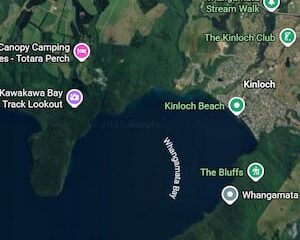
Investigation Launched Following Boat Fire at Lake Taupō