
Health
Transforming Mental Healthcare for Pacific Peoples in New Zealand

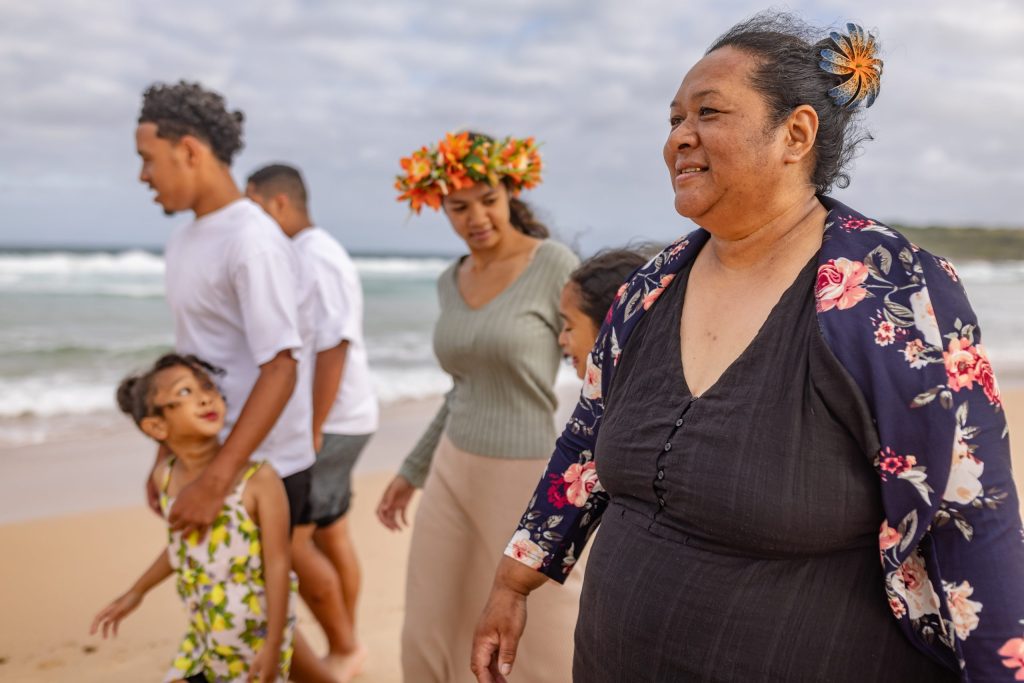
Mental healthcare for Pacific peoples in Aotearoa New Zealand is at a critical juncture, with recent research revealing a significant gap in the mental health system’s ability to serve these communities effectively. Pacific adults experience psychological distress at rates almost 1.5 times higher than their non-Pacific counterparts, yet they often face barriers to accessing appropriate care. Cultural stigma, systemic challenges, and a lack of culturally safe services contribute to this ongoing issue.
Research published in the Journal of the Royal Society of New Zealand examined the perspectives of 548 Pacific peoples aged 16 to 83. The study sought to understand their views on depression, potential responses, and the types of support deemed helpful or harmful. Notably, participants described depression in terms that aligned with clinical definitions, acknowledging symptoms like low mood, loss of motivation, and withdrawal from social interactions.
When asked how to address depression, the responses reflected a strong preference for community and familial support over clinical interventions. Many participants emphasized the importance of talking to family members, connecting with their church community, or reaching out to trusted friends rather than seeking professional help first. This highlights a fundamental difference in how mental health is perceived within Pacific cultures, which prioritize collective well-being and relational harmony.
The study also revealed that while Pacific peoples recognize the value of counselors and clinical expertise, they assert that healing cannot occur in isolation. The informal support networks that have historically sustained Pacific communities must be integrated into formal mental health care. The concept of vā, which signifies the sacred space between individuals and their environments, underscores the necessity of maintaining relational balance in mental health treatment.
To improve mental health services for Pacific peoples, it is essential to acknowledge the interconnectedness of culture, family, community, and spirituality. Many mental health services currently adhere to Western, individualistic models, leading to disengagement from Pacific individuals who may feel their cultural values are not respected.
Pesetā Dr. Veronica Tone-Graham, a clinical psychologist and researcher at the University of Auckland, aims to address these challenges. Recently awarded a Pacific Health Research Postdoctoral Fellowship from the Health Research Council, Dr. Tone-Graham plans to explore the efficacy of family therapy for Pacific peoples. By collaborating with families, clinicians, and community stakeholders, her research seeks to develop a framework for family therapy that is culturally responsive and equitable.
Implementing these changes requires humility and a commitment to genuine engagement with Pacific models of well-being. Clinicians must be trained to understand and incorporate the cultural nuances that influence Pacific peoples’ mental health. Funding should be directed toward Pacific-led initiatives that are already making strides in this area, often on limited budgets.
Furthermore, mental health services must create environments that welcome families into the treatment process, respect the spiritual dimensions of healing, and view community leaders as partners in care. Policy development should integrate Pacific perspectives from the outset, rather than as an afterthought.
The launch of Te Mana Ola, New Zealand’s first Pacific Health Strategy, sets an ambitious direction for achieving equity over the next decade. Yet, without appropriately resourced, Pacific-led implementation, this strategy risks becoming merely an exercise in rhetoric rather than a transformative blueprint for change.
As Aotearoa New Zealand seeks to address the mental health needs of its Pacific peoples, it must move beyond superficial commitments. The call for action is clear: mental healthcare must encompass more than words on paper; it must translate into meaningful, culturally informed practices that truly resonate with the Pacific community.









New $25 Million Funding Boosts Hospital Capacity Ahead of Winter

Discover Sleep Space’s Affordable Bach Bed Packages Today

Jury Dismissed in Sexual Assault Trial Over Misguided Questions

Wellington’s New Gallery Unveils Community-Driven Art Exhibition

All Whites Face Challenges as Injuries Strike Before World Cup

Heroic Bystander Rescues Swimmers from Dangerous Surf in Napier

Nina Oyama Returns to Crime Comedy in Deadloch Season 2

China Southern Airlines Offers Reliable Journey from Auckland to Vietnam

Nina Oyama Returns to Deadloch for Anticipated Season 2

Community Mourns Teens Lost in Mount Maunganui Landslide

Tributes Pour In for Lachlan Rofe, Reality Star, Dead at 47

Private Funeral Held for Dean Field and His Three Children

Funeral Planned for Field Siblings After Tragic House Fire

Netball New Zealand Stands Down Dame Noeline Taurua for Series

Al Waha Motors Opens Flagship Jetour Showroom in Al Khor

Julian Dennison Ties the Knot with Christian Baledrokadroka in New Zealand

Auckland’s Average Rent Surpasses $700 for Three-Bedroom Homes

New Research Reveals Simple Path to Enhanced Happiness
-
 Top Stories7 months ago
Community Mourns Teens Lost in Mount Maunganui Landslide
-
 Entertainment11 months ago
Tributes Pour In for Lachlan Rofe, Reality Star, Dead at 47
-
 World9 months ago
Private Funeral Held for Dean Field and His Three Children
-
 Top Stories9 months ago
Funeral Planned for Field Siblings After Tragic House Fire
-
 Sports11 months ago
Netball New Zealand Stands Down Dame Noeline Taurua for Series
-
 Health7 months ago
Al Waha Motors Opens Flagship Jetour Showroom in Al Khor
-
 Entertainment7 months ago
Julian Dennison Ties the Knot with Christian Baledrokadroka in New Zealand
-
 Business7 months ago
Auckland’s Average Rent Surpasses $700 for Three-Bedroom Homes
-
 Science10 months ago
New Research Reveals Simple Path to Enhanced Happiness
-

 Entertainment10 months ago
New ‘Maverick’ Chaser Joins Beat the Chasers Season Finale
-

 Lifestyle11 months ago
Maia Wilson Faces Backlash Following Taurua’s Suspension
-

 Sports10 months ago
All Blacks Star Damian McKenzie and Partner Announce Baby News