
Business
Aging Population Necessitates Retirement Age Reevaluation


The implications of an aging population are prompting global discussions about adjusting retirement ages. As life expectancy continues to increase, experts are advocating for a reevaluation of when individuals should retire. This shift is particularly relevant in the context of rising economic pressures and changing workforce dynamics.
Changing Perspectives on Age and Work
Traditionally, many viewed the retirement age as a fixed milestone, often set at around 65 years. However, according to data from the OECD, the notion of age is evolving. Increasingly, individuals aged 70 are displaying physical and mental capabilities comparable to those of 50-year-olds. This change suggests that many workers can remain productive well into their later years.
In the United Kingdom, discussions surrounding retirement age have intensified. Projections indicate that by 2030, a significant portion of the population will be over 65, resulting in a demographic shift that challenges current policies. The implications are clear: if people are living longer, healthier lives, it may be necessary for governments to raise the official retirement age.
Economic Factors and Workforce Sustainability
The economic landscape is also a crucial factor in this debate. With rising costs of living and increasing pension liabilities, many countries are grappling with how to sustain their social security systems. In Australia, for example, the government is facing pressures to adjust the retirement age to ensure the viability of its pension system.
Research indicates that delaying retirement could significantly alleviate fiscal burdens. For instance, a report from the Institute for Fiscal Studies shows that raising the retirement age by two years could save the government approximately £12 billion annually in pension payments. This financial incentive adds another layer to the conversation about when individuals should transition out of the workforce.
Additionally, many industries are experiencing labor shortages, which could be mitigated by allowing older workers to remain employed. The United States is a prime example, where a growing number of businesses are recognizing the value that experienced employees bring to their organizations. By leveraging the knowledge and skills of older workers, companies can enhance productivity and maintain competitive advantages.
The changing perception of age, combined with economic pressures, creates a compelling case for reviewing retirement policies. As the workforce evolves, so too must the frameworks that govern it. Ensuring that individuals can remain active participants in the economy not only benefits them but also strengthens the overall labor market.
In conclusion, as life expectancy continues to rise, the concept of retirement is due for a transformation. Policymakers must consider the realities of an aging population and the potential benefits of adjusting retirement age. The future workforce will require innovative solutions that embrace the capabilities of older individuals, ultimately leading to a more sustainable economic environment.










Celebrated Scientist Gordon Lauder Remembered for Pioneering Work

Jenny Armstrong Champions Women’s Sailing as Yachting NZ’s Coach

North Island Endures High Temperatures Ahead of Weekend Showers

French-Owned Barker’s Faces Scrutiny Over Wastewater Discharge

Aging Population Forces Reconsideration of Retirement Age

Dolly Parton Celebrates 80th Birthday with Grand Ole Opry Tribute

Kiwi Wellbeing Coach Offers Strategies for a Meaningful January Reset

Annual Sikh Parade in Tauranga Interrupted by Haka Performance

Brendon McCullum Faces Backlash After Harry Brook Incident

Private Funeral Held for Dean Field and His Three Children

Funeral Planned for Field Siblings After Tragic House Fire

Netball New Zealand Stands Down Dame Noeline Taurua for Series

Tributes Pour In for Lachlan Rofe, Reality Star, Dead at 47

New ‘Maverick’ Chaser Joins Beat the Chasers Season Finale

Silver Ferns Legend Laura Langman Criticizes Team’s Attitude

Eli Katoa Rushed to Hospital After Sideline Incident During Match

Netball NZ Calls for Respect Amid Dame Taurua’s Standoff

Investigation Underway in Tragic Sanson House Fire Involving Family
-
 World2 months ago
Private Funeral Held for Dean Field and His Three Children
-
 Top Stories2 months ago
Funeral Planned for Field Siblings After Tragic House Fire
-
 Sports4 months ago
Netball New Zealand Stands Down Dame Noeline Taurua for Series
-
 Entertainment4 months ago
Tributes Pour In for Lachlan Rofe, Reality Star, Dead at 47
-
 Entertainment3 months ago
New ‘Maverick’ Chaser Joins Beat the Chasers Season Finale
-
 Sports4 months ago
Silver Ferns Legend Laura Langman Criticizes Team’s Attitude
-
 Sports2 months ago
Eli Katoa Rushed to Hospital After Sideline Incident During Match
-
 Politics3 months ago
Netball NZ Calls for Respect Amid Dame Taurua’s Standoff
-
 World2 months ago
Investigation Underway in Tragic Sanson House Fire Involving Family
-

 Sports4 weeks ago
Nathan Williamson’s Condition Improves Following Race Fall
-

 Entertainment1 month ago
Jacinda Ardern Discusses Popularity Decline on Graham Norton Show
-
 World3 weeks ago
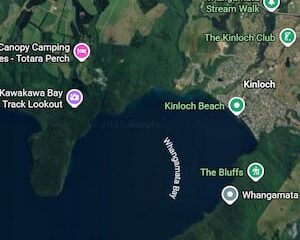
Investigation Launched Following Boat Fire at Lake Taupō