
Business
Waikato River Clean-Up Plan Faces Scrutiny After $23 Million Cost

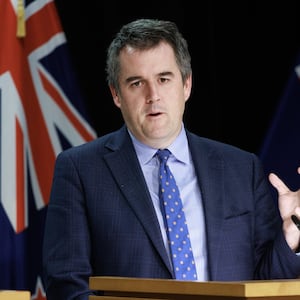
The Waikato River clean-up initiative has sparked controversy following disclosures that it has already cost local ratepayers a staggering $23 million. This significant financial burden has raised questions about the effectiveness and management of the project, which aims to restore the river’s health and enhance its ecological integrity.
Concerns have emerged regarding the accountability of regional councillors involved in overseeing the clean-up efforts. Critics argue that the substantial expenditures have not yielded proportional benefits, prompting calls for a reevaluation of the project’s direction and governance. With public funds at stake, many residents are demanding transparency and justification for the ongoing expenses.
The clean-up plan, part of a broader initiative to address water quality issues in the Waikato region, was launched amid increasing public awareness of environmental degradation. The river, known for its cultural and ecological significance, has faced challenges due to pollution and habitat loss. As a result, the initiative was intended to restore the river’s health while supporting community engagement.
However, the $23 million figure has highlighted a disconnect between the projected outcomes and actual results. Critics, including local residents and environmental advocates, have expressed frustration over the slow progress and escalating costs. They argue that the funds could have been allocated more effectively to achieve tangible improvements in water quality.
Calls for Accountability in Regional Governance
In light of the financial implications, some residents are questioning the effectiveness of the regional council’s leadership. Heather du Plessis-Allan, a prominent commentator, has criticized the decision-making processes that led to such significant expenditures without clear accountability.
“Ratepayers deserve to know how their money is being spent and what results are being achieved,” she stated, emphasizing the need for greater oversight of public projects. Du Plessis-Allan’s views resonate with many who feel disenfranchised by the current governance structure.
The regional council has defended its approach, asserting that the clean-up is a long-term investment in the river’s future. Officials emphasize that restoring the Waikato River is a complex challenge that necessitates substantial resources and time. They argue that the initial costs are part of a larger strategy to ensure the river’s sustainability and improve its ecological health.
Future of the Waikato River Initiative
As the debate over the clean-up plan continues, it remains to be seen how the regional council will address the concerns raised by the community. Stakeholders are calling for a more transparent decision-making process, including regular updates on spending and project milestones.
Many residents are eager for assurances that their contributions will lead to meaningful improvements in their local environment. The ongoing discussions surrounding the Waikato River clean-up reflect broader concerns about environmental stewardship and responsible governance in public projects.
Given the financial implications and the importance of the Waikato River to local communities, the need for effective management and accountability has never been more crucial. As the council navigates these challenges, the future of the clean-up initiative will depend on its ability to respond to public concerns and deliver on its promises.




New Recall Expands for Asbestos-Contaminated Play Sand Products

NZTA Proposes $3.8 Billion Wellington Mega-Project for Tunnels

News Fix Highlights Key Events Across News, Politics, and Sports

Ōrewa Businesses Demand Enhanced Safety Measures Amid Rising Crime

Long-lost Rubens Painting Fetches €2.94 Million at Auction

David Dimbleby Critiques Monarchy’s Relevance and Wealth

Kiwi Athletes Shine in US College Sports: A New Era Unfolds

Pet Refuge Urges Donations Amid Rising Domestic Violence Cases

Southeast Asia Storm Claims Over 600 Lives as Devastation Mounts

Private Funeral Held for Dean Field and His Three Children

Funeral Planned for Field Siblings After Tragic House Fire

Netball New Zealand Stands Down Dame Noeline Taurua for Series

Tributes Pour In for Lachlan Rofe, Reality Star, Dead at 47

New ‘Maverick’ Chaser Joins Beat the Chasers Season Finale

Silver Ferns Legend Laura Langman Criticizes Team’s Attitude

Eli Katoa Rushed to Hospital After Sideline Incident During Match

Netball NZ Calls for Respect Amid Dame Taurua’s Standoff

Investigation Underway in Tragic Sanson House Fire Involving Family
-
 World6 days ago
Private Funeral Held for Dean Field and His Three Children
-
 Top Stories1 week ago
Funeral Planned for Field Siblings After Tragic House Fire
-
 Sports3 months ago
Netball New Zealand Stands Down Dame Noeline Taurua for Series
-
 Entertainment3 months ago
Tributes Pour In for Lachlan Rofe, Reality Star, Dead at 47
-
 Entertainment2 months ago
New ‘Maverick’ Chaser Joins Beat the Chasers Season Finale
-
 Sports3 months ago
Silver Ferns Legend Laura Langman Criticizes Team’s Attitude
-
 Sports4 weeks ago
Eli Katoa Rushed to Hospital After Sideline Incident During Match
-
 Politics2 months ago
Netball NZ Calls for Respect Amid Dame Taurua’s Standoff
-
 World2 weeks ago
Investigation Underway in Tragic Sanson House Fire Involving Family
-

 Entertainment3 months ago
Khloe Kardashian Embraces Innovative Stem Cell Therapy in Mexico
-

 Sports4 weeks ago
Jamie Melham Triumphs Over Husband Ben in Melbourne Cup Victory
-

 World4 months ago
Police Arrest Multiple Individuals During Funeral for Zain Taikato-Fox