
Health
Understanding Sleep Paralysis: Origins, Effects, and Solutions

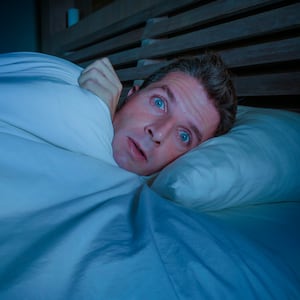
Sleep paralysis is a phenomenon that has captured human imagination for centuries, often depicted through vivid and terrifying experiences. Recent discussions have increased awareness around this condition, which affects a significant portion of the population. Reports indicate that sleep paralysis can occur when a person transitions between wakefulness and sleep, leaving them temporarily unable to move or speak.
This unsettling experience typically occurs during the rapid eye movement (REM) stage of sleep, when most dreaming happens. According to the Mayo Clinic, approximately 8% of the general population experiences sleep paralysis at least once in their lives. The episodes can last from a few seconds to a couple of minutes, leading to feelings of helplessness and fear.
The Historical Context of Sleep Paralysis
Throughout history, sleep paralysis has been interpreted in various cultural contexts. Many societies have attributed these experiences to supernatural entities or “demons.” The phenomenon is documented in folklore from around the world, where individuals describe being visited by malevolent spirits during episodes of paralysis.
In medieval Europe, the condition was often linked to witchcraft, while other cultures associated it with night terrors or the presence of a ghostly visitor. These interpretations reflect the human tendency to seek explanations for unexplained experiences, especially those that evoke fear.
Modern science, however, offers a different perspective. The American Academy of Sleep Medicine explains that these episodes can stem from disrupted sleep patterns, stress, or sleep disorders such as narcolepsy. Understanding the roots of sleep paralysis can help demystify the experience and reduce fear associated with it.
How to Manage Sleep Paralysis
For those who experience sleep paralysis, several strategies can help mitigate its occurrence. Experts from Harvard Medical School suggest maintaining a consistent sleep schedule, as irregular sleep patterns can trigger episodes. Prioritizing good sleep hygiene—such as creating a comfortable sleep environment and limiting caffeine intake—can also be beneficial.
In addition, practicing relaxation techniques, such as deep breathing or mindfulness, may help reduce anxiety that can accompany these episodes. If sleep paralysis occurs frequently, consulting with a healthcare provider specializing in sleep medicine may be advisable. They can offer tailored advice and rule out underlying sleep disorders.
Awareness and understanding of sleep paralysis are crucial in addressing this common sleep phenomenon. By educating themselves and others about its nature and management, individuals can reclaim a sense of control over their sleep experiences. Ultimately, fostering a better understanding of this condition can reduce fear and empower those affected to seek effective solutions.












US to Require Tourists to Submit Five Years of Social Media Data

New Zealand Sharemarket Experiences Modest Gains in Quiet Session

Frankie Stevens Delights Fans with Live Performance Ahead of Carols Event

Understanding Sleep Paralysis: Origins, Effects, and Solutions

Blue Mountain College Celebrates Academic and Sporting Excellence in 2025

US Plans to Require Tourists to Provide Five Years of Social Media Data

Blair Tickner’s Comeback Cut Short by Injury in Cricket Season

Auckland Expands Yellow-Legged Hornet Surveillance Zone to 11km

Major Raids Uncover Millions in Illegal Poker Operations in Auckland

Private Funeral Held for Dean Field and His Three Children

Funeral Planned for Field Siblings After Tragic House Fire

Netball New Zealand Stands Down Dame Noeline Taurua for Series

Tributes Pour In for Lachlan Rofe, Reality Star, Dead at 47

New ‘Maverick’ Chaser Joins Beat the Chasers Season Finale

Silver Ferns Legend Laura Langman Criticizes Team’s Attitude

Eli Katoa Rushed to Hospital After Sideline Incident During Match

Investigation Underway in Tragic Sanson House Fire Involving Family

Netball NZ Calls for Respect Amid Dame Taurua’s Standoff
-
 World2 weeks ago
Private Funeral Held for Dean Field and His Three Children
-
 Top Stories3 weeks ago
Funeral Planned for Field Siblings After Tragic House Fire
-
 Sports3 months ago
Netball New Zealand Stands Down Dame Noeline Taurua for Series
-
 Entertainment3 months ago
Tributes Pour In for Lachlan Rofe, Reality Star, Dead at 47
-
 Entertainment2 months ago
New ‘Maverick’ Chaser Joins Beat the Chasers Season Finale
-
 Sports3 months ago
Silver Ferns Legend Laura Langman Criticizes Team’s Attitude
-
 Sports1 month ago
Eli Katoa Rushed to Hospital After Sideline Incident During Match
-
 World3 weeks ago
Investigation Underway in Tragic Sanson House Fire Involving Family
-
 Politics2 months ago
Netball NZ Calls for Respect Amid Dame Taurua’s Standoff
-

 Top Stories3 weeks ago
Shock and Grief Follow Tragic Family Deaths in New Zealand
-

 Entertainment3 months ago
Khloe Kardashian Embraces Innovative Stem Cell Therapy in Mexico
-

 World4 months ago
Police Arrest Multiple Individuals During Funeral for Zain Taikato-Fox