
Science
PhD Student Investigates Parasitic Worms Turning Spiders into “Zombies”

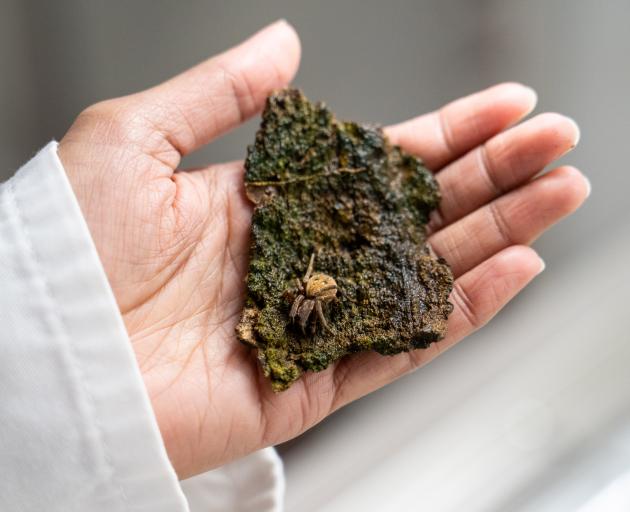
A PhD student at Lincoln University, Usha Mendis, is conducting research on parasitic nematodes known as mermithids, which transform certain spider species into what can be described as “zombies.” This phenomenon poses significant ecological concerns, as these parasites impact various invertebrates, including caddisflies, mayflies, and grasshoppers, alongside endemic spiders in New Zealand.
Mendis’ work focuses on identifying the types of spiders affected and understanding the implications of these parasitic relationships. She has already discovered three different spider species hosting the nematodes, indicating a potential threat to local biodiversity. “New Zealand has a large number of endemic spiders; over 90% of them are unique to this region. If something were to happen to them, it would not be good for our biodiversity,” Mendis explained.
The role of spiders in the ecosystem is critical, serving as both predators and prey. Mendis noted that the presence of mermithids disrupts this balance, as infected spiders exhibit abnormal physical changes. “They can be very abnormal. Their legs get shorter but thicker, and the abdomen gets bigger and swollen. They look like zombies,” she stated.
Identifying infected spiders is challenging, as the most conclusive evidence comes only after the spider’s death, when the nematode emerges to continue its life cycle. Researchers understand the emergence process but remain uncertain about how these nematodes initially invade their spider hosts. Mendis aims to uncover this mystery as part of her research.
The nematodes rely on spiders for survival, feeding on their energy and nutrients. Mendis elaborated on their life cycle: “They can’t live without a host. They consume the energy and nutrients of the host and grow inside it.” A key aspect of their reproductive strategy involves driving the infected spiders towards moist environments, essential for the nematodes to thrive, mate, and lay eggs. This behavior often leads to the spiders being found drowned.
To better understand the relationship between mermithids and their arachnid hosts, Mendis is employing water traps to collect the nematodes. It has only been 35 years since these parasites were first recorded in New Zealand, and extensive research is still needed to grasp the full extent of their impact on local spider populations.
Mendis urges the public to reconsider their perceptions of spiders, emphasizing their importance in maintaining ecological balance. “Spiders may look disruptive and creepy, but they’re not the enemy. They’ve got their own problems to deal with,” she concluded.
As Mendis continues her investigation, her findings may provide crucial insights into the dynamics of ecosystems and the often-overlooked challenges faced by these vital creatures.










Liam Lawson Awaits Formula One Decision After Impressive Race Finish

Qatar and Russia Strengthen Trade and Investment Relations

Celebrated Playwright Tom Stoppard Passes Away at 86

Autistic Teen Receives Complimentary Tickets After Ticketing Mix-Up

Explore Unique Christmas Gift Ideas at Willow and Silk Interiors

Media Outlets Challenge Court Restrictions in Tom Phillips Case

Canadian Man Charged After 15kg Meth Seizure at Auckland Airport

Auckland Mayor Proposes Record Budget with Significant Rate Hike

Matt Heath and Tyler Adams Unveil New Podcast Episode Today

Private Funeral Held for Dean Field and His Three Children

Funeral Planned for Field Siblings After Tragic House Fire

Netball New Zealand Stands Down Dame Noeline Taurua for Series

Tributes Pour In for Lachlan Rofe, Reality Star, Dead at 47

New ‘Maverick’ Chaser Joins Beat the Chasers Season Finale

Silver Ferns Legend Laura Langman Criticizes Team’s Attitude

Eli Katoa Rushed to Hospital After Sideline Incident During Match

Netball NZ Calls for Respect Amid Dame Taurua’s Standoff

Investigation Underway in Tragic Sanson House Fire Involving Family
-
 World6 days ago
Private Funeral Held for Dean Field and His Three Children
-
 Top Stories1 week ago
Funeral Planned for Field Siblings After Tragic House Fire
-
 Sports3 months ago
Netball New Zealand Stands Down Dame Noeline Taurua for Series
-
 Entertainment3 months ago
Tributes Pour In for Lachlan Rofe, Reality Star, Dead at 47
-
 Entertainment2 months ago
New ‘Maverick’ Chaser Joins Beat the Chasers Season Finale
-
 Sports3 months ago
Silver Ferns Legend Laura Langman Criticizes Team’s Attitude
-
 Sports4 weeks ago
Eli Katoa Rushed to Hospital After Sideline Incident During Match
-
 Politics2 months ago
Netball NZ Calls for Respect Amid Dame Taurua’s Standoff
-
 World2 weeks ago
Investigation Underway in Tragic Sanson House Fire Involving Family
-

 Entertainment3 months ago
Khloe Kardashian Embraces Innovative Stem Cell Therapy in Mexico
-

 Sports4 weeks ago
Jamie Melham Triumphs Over Husband Ben in Melbourne Cup Victory
-

 World4 months ago
Police Arrest Multiple Individuals During Funeral for Zain Taikato-Fox