
Science
Parasitic Worms Turn Spiders into ‘Zombie’ Hosts in New Zealand

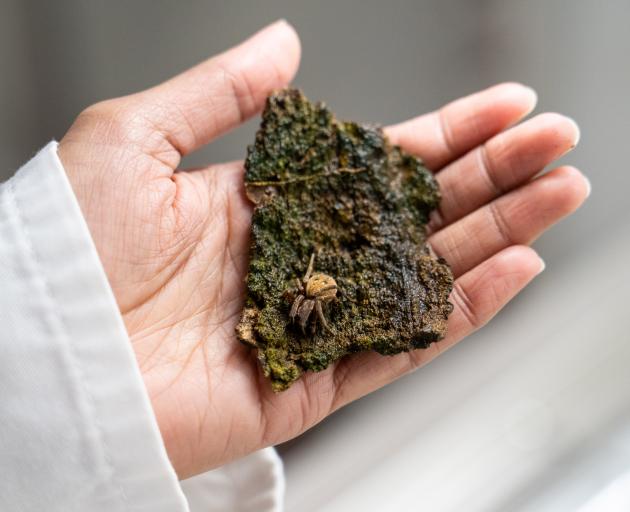
A fascinating and troubling phenomenon is unfolding in New Zealand, where parasitic worms known as mermithids are transforming spiders into what researchers describe as “zombies.” PhD student Usha Mendis from Lincoln University is investigating the impact of these nematodes on local spider populations, raising concerns about the implications for the ecosystem.
Mermithids target various invertebrates, including caddisflies, mayflies, and grasshoppers, but their effect on spiders, particularly New Zealand’s endemic species, is particularly alarming. Mendis has identified three different types of spiders infected by these parasites and is working to determine the exact species affected and the specific nematode responsible. With over 90% of New Zealand’s spider species being endemic, any disruption to these populations could have dire consequences for the country’s biodiversity.
“Spiders hold a special place in the food chain,” Mendis explained. “When the worms take over, it flips that idea on its head. The parasite completely changes it; the spiders aren’t filling their normal role.” The process is slow and ultimately fatal for the spider, leading to significant alterations in their physical appearance. Infected spiders often exhibit larger limbs, swollen abdomens, and other abnormal characteristics.
Identifying a parasitized spider can be challenging. “The only real way to tell is to wait until the spider dies and the nematode emerges,” Mendis noted. Researchers have a grasp on how the nematodes exit their hosts, but the entry process remains a mystery. Mendis is diligently working to uncover how these parasites infiltrate spiders in the first place.
The life cycle of the mermithids is tightly knit to their spider hosts. “They can’t live without a host. They consume the energy and nutrients of the host and grow inside it,” Mendis explained. The nematodes require moisture to progress, which drives the infected spiders to seek out water. This behavior often leads to spiders being found drowned.
Collecting these nematodes for study presents its own set of challenges. Mendis is employing water traps to gather samples, aiming to better understand the relationship between the mermithids and their spider hosts. Despite the fact that mermithids were first reported in New Zealand only 35 years ago, significant research remains to be done before the full implications of this parasitic relationship are understood.
As Mendis continues her research, she emphasizes the importance of reconsidering perceptions of spiders. “Spiders may look disruptive and creepy, but they’re not the enemy. They’ve got their own problems to deal with,” she said. The delicate balance of New Zealand’s ecosystem hinges on understanding these interactions and protecting the species that play crucial roles within it.








New $25 Million Funding Boosts Hospital Capacity Ahead of Winter

Discover Sleep Space’s Affordable Bach Bed Packages Today

Jury Dismissed in Sexual Assault Trial Over Misguided Questions

Wellington’s New Gallery Unveils Community-Driven Art Exhibition

All Whites Face Challenges as Injuries Strike Before World Cup

Heroic Bystander Rescues Swimmers from Dangerous Surf in Napier

Nina Oyama Returns to Crime Comedy in Deadloch Season 2

China Southern Airlines Offers Reliable Journey from Auckland to Vietnam

Nina Oyama Returns to Deadloch for Anticipated Season 2

Community Mourns Teens Lost in Mount Maunganui Landslide

Tributes Pour In for Lachlan Rofe, Reality Star, Dead at 47

Private Funeral Held for Dean Field and His Three Children

Funeral Planned for Field Siblings After Tragic House Fire

Al Waha Motors Opens Flagship Jetour Showroom in Al Khor

Netball New Zealand Stands Down Dame Noeline Taurua for Series

Julian Dennison Ties the Knot with Christian Baledrokadroka in New Zealand

Auckland’s Average Rent Surpasses $700 for Three-Bedroom Homes

New Research Reveals Simple Path to Enhanced Happiness
-
 Top Stories7 months ago
Community Mourns Teens Lost in Mount Maunganui Landslide
-
 Entertainment12 months ago
Tributes Pour In for Lachlan Rofe, Reality Star, Dead at 47
-
 World9 months ago
Private Funeral Held for Dean Field and His Three Children
-
 Top Stories9 months ago
Funeral Planned for Field Siblings After Tragic House Fire
-
 Health7 months ago
Al Waha Motors Opens Flagship Jetour Showroom in Al Khor
-
 Sports12 months ago
Netball New Zealand Stands Down Dame Noeline Taurua for Series
-
 Entertainment7 months ago
Julian Dennison Ties the Knot with Christian Baledrokadroka in New Zealand
-
 Business8 months ago
Auckland’s Average Rent Surpasses $700 for Three-Bedroom Homes
-
 Science10 months ago
New Research Reveals Simple Path to Enhanced Happiness
-

 Entertainment11 months ago
New ‘Maverick’ Chaser Joins Beat the Chasers Season Finale
-

 Lifestyle11 months ago
Maia Wilson Faces Backlash Following Taurua’s Suspension
-

 Sports10 months ago
All Blacks Star Damian McKenzie and Partner Announce Baby News