
Entertainment
Winston Peters Emerges as Key Political Player in New Zealand

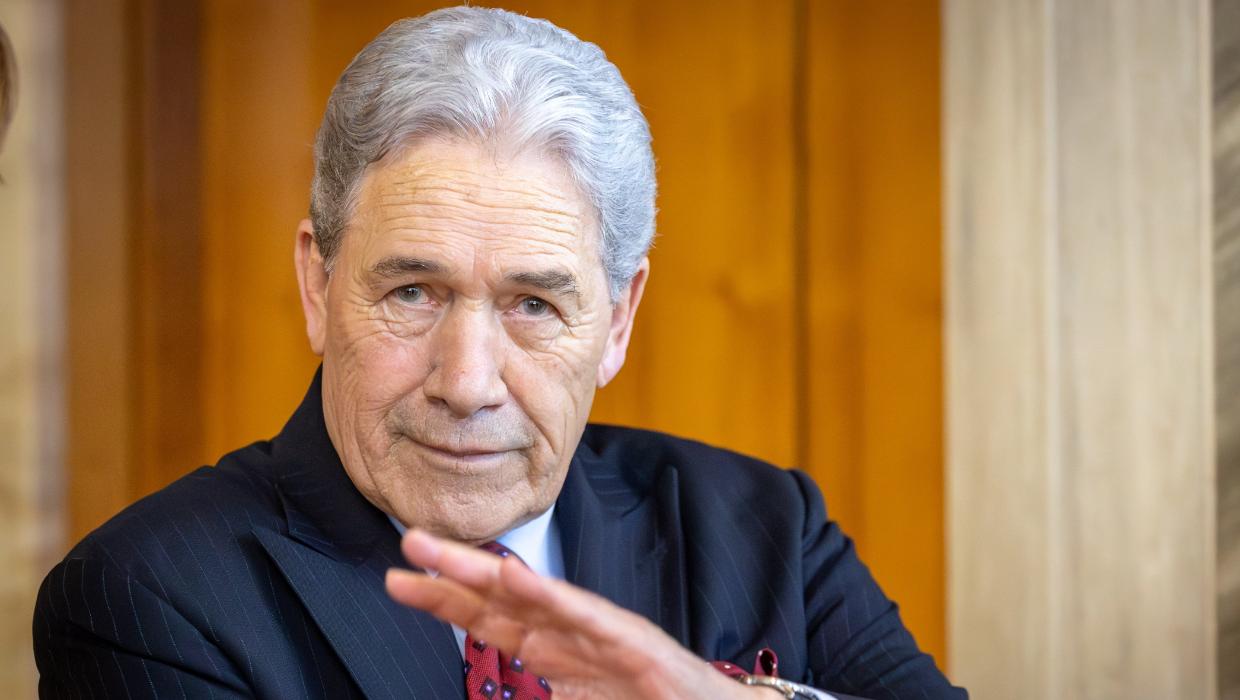
Winston Peters has re-established himself as a significant figure in New Zealand politics, especially as other prominent leaders have stepped down or lost support. As the leader of the New Zealand First party, Peters is now viewed as the last standing option for voters seeking a change in leadership, following a turbulent political landscape.
The political environment in New Zealand has been marked by extensive shifts. Major parties, such as the Labour Party and the National Party, have seen their leaders, including Chris Hipkins and former Prime Minister Jacinda Ardern, face challenges that have weakened their positions. As these parties navigate internal changes and public scrutiny, Peters is capitalizing on their vulnerabilities.
Political Landscape Shifts
Peters’ rise comes at a crucial time, with the general election scheduled for October 14, 2023. His party has historically appealed to voters who feel disillusioned with mainstream politics. His message resonates particularly with those who desire a return to traditional values and greater representation for smaller communities.
In recent polls, New Zealand First has gained traction, particularly among voters disenchanted with the current government. Peters’ experience as a seasoned politician allows him to position himself as a reliable alternative. His party’s focus on issues such as immigration, law and order, and economic stability has garnered attention from a broad spectrum of the electorate.
The Labour Party’s struggles, marked by declining support, particularly in urban areas, have opened doors for Peters. Many voters who once supported Labour are now reconsidering their options, and Peters is stepping in to fill that void. The Act Party and Te Pāti Māori are also vying for attention, but Peters’ established presence gives him an edge.
A Resilient Political Strategy
Peters has a long history of navigating New Zealand’s political landscape, having served multiple terms as Deputy Prime Minister. His strategy has traditionally involved positioning himself as a populist voice, often challenging mainstream narratives. This approach has proven effective, especially as voters seek leaders who are willing to speak directly to their concerns.
Looking ahead, the upcoming election is set to be closely contested. With the 2023 elections looming, Peters aims to consolidate his support base while appealing to undecided voters. His ability to connect with constituents through town hall meetings and public forums has reinforced his image as an accessible leader.
Polling data indicates that while Peters may not dominate the electoral landscape, he could play a pivotal role in determining the outcome. With coalition dynamics becoming increasingly complex, his party’s potential to hold the balance of power could lead to significant influence in government decisions.
As the political climate continues to evolve, Winston Peters stands out as a noteworthy candidate in New Zealand’s upcoming elections. His resilience and experience may well position him as a critical player in shaping the future of the country’s governance.










Firefighter Airlifted to Hospital After North Canterbury Blaze

Global Markets React as New Year Brings Mixed Economic Signals

Lake Hayes A&P Show Thrives Despite Weather Challenges

Experts Weigh In on the Healthiest Milk Alternatives Available

Boyd Secures 10th National Title in Thrilling Championship Match

Samoan Chief Faces Sentencing for Enslaving Young Victims

Thousands Attend Lake Hayes A&P Show Celebrating Local Agriculture

Charlie Dalin Races Around the World While Battling Illness

Boyd Secures 10th National Title with Thrilling Victory

Private Funeral Held for Dean Field and His Three Children

Funeral Planned for Field Siblings After Tragic House Fire

Netball New Zealand Stands Down Dame Noeline Taurua for Series

Tributes Pour In for Lachlan Rofe, Reality Star, Dead at 47

New ‘Maverick’ Chaser Joins Beat the Chasers Season Finale

Silver Ferns Legend Laura Langman Criticizes Team’s Attitude

Eli Katoa Rushed to Hospital After Sideline Incident During Match

Netball NZ Calls for Respect Amid Dame Taurua’s Standoff

Investigation Underway in Tragic Sanson House Fire Involving Family
-
 World2 months ago
Private Funeral Held for Dean Field and His Three Children
-
 Top Stories2 months ago
Funeral Planned for Field Siblings After Tragic House Fire
-
 Sports4 months ago
Netball New Zealand Stands Down Dame Noeline Taurua for Series
-
 Entertainment4 months ago
Tributes Pour In for Lachlan Rofe, Reality Star, Dead at 47
-
 Entertainment3 months ago
New ‘Maverick’ Chaser Joins Beat the Chasers Season Finale
-
 Sports4 months ago
Silver Ferns Legend Laura Langman Criticizes Team’s Attitude
-
 Sports2 months ago
Eli Katoa Rushed to Hospital After Sideline Incident During Match
-
 Politics3 months ago
Netball NZ Calls for Respect Amid Dame Taurua’s Standoff
-
 World2 months ago
Investigation Underway in Tragic Sanson House Fire Involving Family
-

 Sports4 weeks ago
Nathan Williamson’s Condition Improves Following Race Fall
-

 Entertainment1 month ago
Jacinda Ardern Discusses Popularity Decline on Graham Norton Show
-
 World3 weeks ago
Investigation Launched Following Boat Fire at Lake Taupō