
Health
Experts Weigh In on the Healthiest Milk Alternatives Available

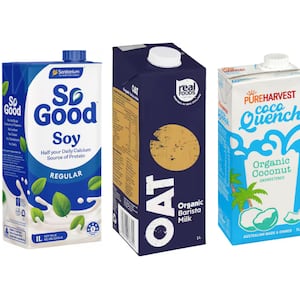
With the growing popularity of plant-based diets, consumers are increasingly turning to milk alternatives. Recent advice from nutrition experts sheds light on which options, including oat, almond, and soy milk, are the healthiest choices and which should be approached with caution.
The rise in demand for non-dairy milk has led to a plethora of options on supermarket shelves. According to registered dietitians, each alternative offers distinct nutritional benefits and potential drawbacks. Understanding these factors is crucial for consumers looking to make informed decisions about their diets.
Evaluating Nutritional Profiles
When considering milk alternatives, the nutritional profile is a key factor. For instance, soy milk is often highlighted for its protein content, providing approximately 7 grams of protein per cup, similar to that of cow’s milk. This makes it a suitable option for individuals seeking to maintain or build muscle mass.
In contrast, almond milk typically contains only about 1 gram of protein per cup. However, it is lower in calories, which may appeal to those monitoring their caloric intake. Most brands of almond milk are fortified with vitamins such as vitamin D and calcium, making it a good source of these nutrients for those who may lack them in their diets.
Oat milk, another popular choice, has gained traction due to its creamy texture and ability to froth well. It typically contains around 2 grams of protein per cup but is higher in carbohydrates compared to other alternatives. Dietitians suggest that while oat milk can be a delicious addition to coffee or cereal, those watching their carbohydrate intake should consume it in moderation.
What to Look for When Choosing
When selecting a milk alternative, consumers should pay attention to the ingredient list. Many commercial products contain added sugars, stabilizers, and preservatives. According to the Food and Drug Administration (FDA), it is advisable to choose unsweetened varieties to avoid unnecessary sugar intake.
Additionally, some brands may include thickeners such as carrageenan, which has raised concerns among some health experts regarding its potential digestive effects. Dietitians recommend checking for these additives and opting for brands with minimal ingredients.
For those with allergies, it’s also crucial to consider potential allergens. While soy milk is a great source of protein, it is not suitable for individuals with soy allergies. Almond milk should be avoided by those allergic to tree nuts, while oat milk might present issues for individuals with gluten sensitivities unless labeled gluten-free.
The choice of milk alternative ultimately depends on individual dietary needs and preferences. Dietitians emphasize the importance of reading labels and choosing products that align with one’s health goals.
In summary, the healthiest milk alternative varies by individual, but understanding the nutritional content and ingredient quality can help consumers make informed choices. Whether opting for soy, almond, or oat milk, it is essential to consider personal health needs and dietary restrictions. With expert guidance, consumers can navigate the expansive market of milk alternatives more confidently.

New $25 Million Funding Boosts Hospital Capacity Ahead of Winter

Discover Sleep Space’s Affordable Bach Bed Packages Today

Jury Dismissed in Sexual Assault Trial Over Misguided Questions

Wellington’s New Gallery Unveils Community-Driven Art Exhibition

All Whites Face Challenges as Injuries Strike Before World Cup

Heroic Bystander Rescues Swimmers from Dangerous Surf in Napier

Nina Oyama Returns to Crime Comedy in Deadloch Season 2

China Southern Airlines Offers Reliable Journey from Auckland to Vietnam

Nina Oyama Returns to Deadloch for Anticipated Season 2

Community Mourns Teens Lost in Mount Maunganui Landslide

Tributes Pour In for Lachlan Rofe, Reality Star, Dead at 47

Private Funeral Held for Dean Field and His Three Children

Funeral Planned for Field Siblings After Tragic House Fire

Netball New Zealand Stands Down Dame Noeline Taurua for Series

Julian Dennison Ties the Knot with Christian Baledrokadroka in New Zealand

New Research Reveals Simple Path to Enhanced Happiness

New ‘Maverick’ Chaser Joins Beat the Chasers Season Finale

Maia Wilson Faces Backlash Following Taurua’s Suspension
-
 Top Stories5 months ago
Community Mourns Teens Lost in Mount Maunganui Landslide
-
 Entertainment10 months ago
Tributes Pour In for Lachlan Rofe, Reality Star, Dead at 47
-
 World7 months ago
Private Funeral Held for Dean Field and His Three Children
-
 Top Stories7 months ago
Funeral Planned for Field Siblings After Tragic House Fire
-
 Sports10 months ago
Netball New Zealand Stands Down Dame Noeline Taurua for Series
-
 Entertainment5 months ago
Julian Dennison Ties the Knot with Christian Baledrokadroka in New Zealand
-
 Science8 months ago
New Research Reveals Simple Path to Enhanced Happiness
-
 Entertainment9 months ago
New ‘Maverick’ Chaser Joins Beat the Chasers Season Finale
-
 Lifestyle9 months ago
Maia Wilson Faces Backlash Following Taurua’s Suspension
-

 Sports8 months ago
All Blacks Star Damian McKenzie and Partner Announce Baby News
-

 Sports10 months ago
Silver Ferns Legend Laura Langman Criticizes Team’s Attitude
-

 Sports8 months ago
Eli Katoa Rushed to Hospital After Sideline Incident During Match