
Lifestyle
Traditional Flower-Growing Techniques Cut Costs and Enhance Gardens

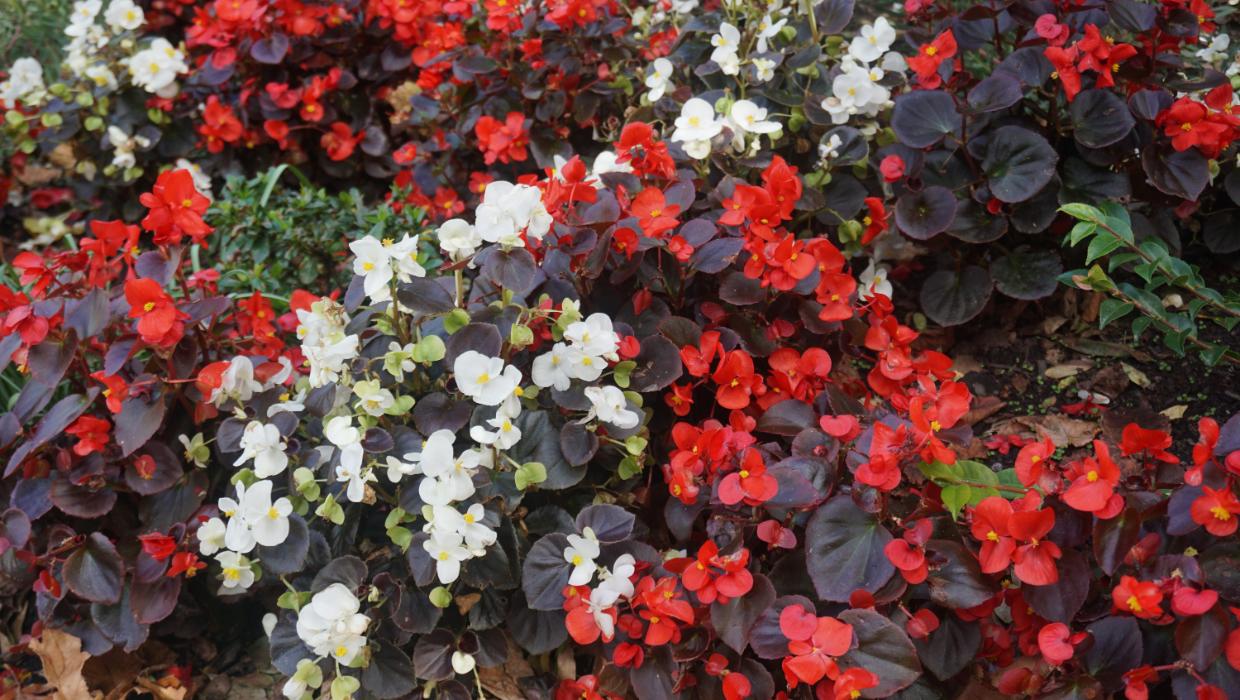
A resurgence in traditional flower-growing techniques is helping home gardeners save money while enhancing their vegetable beds. Former parks officer and flower display designer has embraced an old-school approach to gardening that emphasizes creativity and practicality. By integrating flowering annuals with companion plants, he cultivates a vibrant and economical garden while promoting ecological benefits.
Reviving the Art of Flower Displays
In the 1970s and 1980s, flower displays were a highlight of many public parks, showcasing seasonal annuals in elaborate arrangements. Today, while municipal authorities have largely moved away from such costly displays, home gardeners can still enjoy the beauty and creativity that these traditional techniques offer. The focus has shifted to personal gardens, where the same principles can be applied without the significant expenses associated with public displays.
Utilizing plants like Bonfire salvias, zinnias, and calendulas, gardeners can create visually stunning arrangements. These flowers not only provide aesthetic pleasure but also play a role in attracting beneficial insects that help control pests. Spring is the prime time for planting, and as the seasons change, zinnias and calendulas offer a continuous bloom, enriching the garden’s appearance.
Cost-Effective Growing Practices
Growing flowers from seed can significantly reduce costs. For example, purchasing seeds from Kings Seeds allows gardeners to produce a large quantity of plants without the financial burden of buying nursery-grown punnets. This economical approach is enhanced by the use of recycled materials for planting, such as repurposed six-pack punnets and affordable potting mix.
The process begins with sowing seeds indoors in late winter, allowing time for the seedlings to thrive before being transplanted outdoors in October. This method not only saves money but also offers the satisfaction of nurturing plants from their earliest stages. Once planted, zinnias can bloom for months, providing vibrant color until the end of summer.
In April, when the zinnia flowers begin to fade, it is time for the gardener to remove them. This may require some self-discipline, as the plants are often still in bloom. However, leaving the remnants in the garden to decompose contributes organic matter back into the soil, eliminating the need for additional fertilizers.
The structured planting method employed—using staggered rows and maintaining specific distances between plants—simplifies maintenance. This allows for easier weeding and watering, ensuring that the plants establish themselves well before they reach their full size.
Through these revitalized practices, home gardeners not only beautify their living spaces but also contribute to a sustainable gardening ecosystem. By fostering a garden that encourages pollinators and beneficial insects, they enhance the overall health of their plants.
In conclusion, this return to traditional flower-growing methods demonstrates that creativity, sustainability, and cost-effectiveness can coexist in gardening. By adopting these practices, individuals can enjoy the rewards of a flourishing garden while positively impacting their local environment.

Innovative Gardening Approach Cuts Costs and Enhances Yields

Delays in Implementing Performance Pay for Public Service Leaders

Country Calendar Spotlights Cheviot Farm After a Decade

Wairarapa’s Graduate Nurses Face Employment Challenges in 2025

Traditional Flower-Growing Techniques Cut Costs and Enhance Gardens

Andrew Coster Resigns: Acknowledging Mistakes and Taking Responsibility

Third Arrest Made in Murder of US Student Kyle Whorrall in Auckland

Property Market Stagnates in November, Signals Potential Recovery

Tere Ishk Mein Hits ₹60 Crore in Four Days, Surpasses Raanjhanaa

Private Funeral Held for Dean Field and His Three Children

Funeral Planned for Field Siblings After Tragic House Fire

Netball New Zealand Stands Down Dame Noeline Taurua for Series

Tributes Pour In for Lachlan Rofe, Reality Star, Dead at 47

New ‘Maverick’ Chaser Joins Beat the Chasers Season Finale

Silver Ferns Legend Laura Langman Criticizes Team’s Attitude

Eli Katoa Rushed to Hospital After Sideline Incident During Match

Investigation Underway in Tragic Sanson House Fire Involving Family

Netball NZ Calls for Respect Amid Dame Taurua’s Standoff
-
 World1 week ago
Private Funeral Held for Dean Field and His Three Children
-
 Top Stories2 weeks ago
Funeral Planned for Field Siblings After Tragic House Fire
-
 Sports3 months ago
Netball New Zealand Stands Down Dame Noeline Taurua for Series
-
 Entertainment3 months ago
Tributes Pour In for Lachlan Rofe, Reality Star, Dead at 47
-
 Entertainment2 months ago
New ‘Maverick’ Chaser Joins Beat the Chasers Season Finale
-
 Sports3 months ago
Silver Ferns Legend Laura Langman Criticizes Team’s Attitude
-
 Sports1 month ago
Eli Katoa Rushed to Hospital After Sideline Incident During Match
-
 World2 weeks ago
Investigation Underway in Tragic Sanson House Fire Involving Family
-
 Politics2 months ago
Netball NZ Calls for Respect Amid Dame Taurua’s Standoff
-

 Top Stories2 weeks ago
Shock and Grief Follow Tragic Family Deaths in New Zealand
-

 Entertainment3 months ago
Khloe Kardashian Embraces Innovative Stem Cell Therapy in Mexico
-

 World4 months ago
Police Arrest Multiple Individuals During Funeral for Zain Taikato-Fox