
Science
DNA Breakthrough May Reveal Lost Masterpieces by Da Vinci

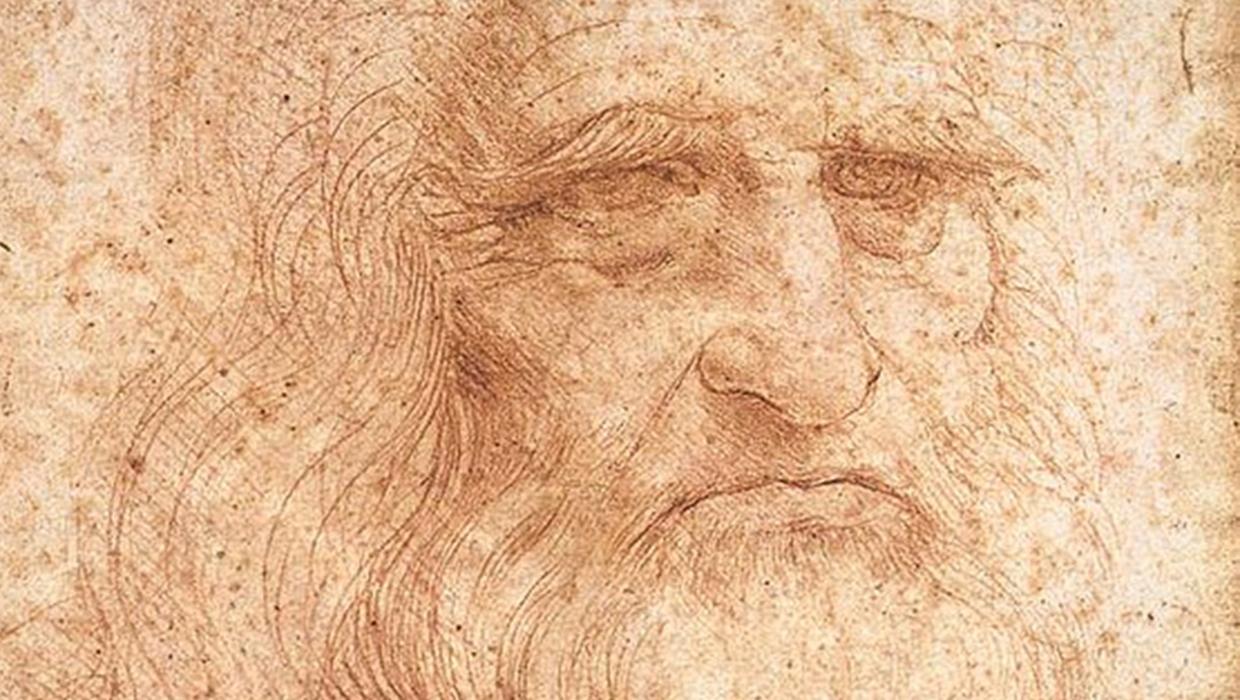
A recent breakthrough in the search for Leonardo da Vinci’s DNA could potentially lead to the uncovering of lost artworks and provide deeper insights into the mind of the renowned 15th-century artist. Researchers from the University of Florence have initiated a project aimed at recovering genetic material from historical artifacts linked to da Vinci, with the hope of identifying new works.
The scientists are particularly focused on items that may contain traces of da Vinci’s biological material, such as paintbrushes, clothing, or even remains found in historical sites. This initiative is part of a broader effort to understand the artist’s techniques and creative processes better. By analyzing his DNA, researchers believe they can draw connections between his genetic makeup and the unique styles and methods he employed in his art.
Exploring the Past
This undertaking is not just about art; it also touches on the field of cultural heritage. The potential discovery of lost artworks would hold significant value for historians, art lovers, and the general public alike. Da Vinci, who lived from 1452 to 1519, is celebrated for masterpieces such as the Mona Lisa and The Last Supper. If new works were to be identified, it could reshape our understanding of his legacy.
In addition to the artistic implications, the project has the potential to advance forensic science. Techniques developed through this research could be applied to other historical figures, opening new avenues for interdisciplinary studies. The hope is that the findings will contribute not only to art history but also to genetics and conservation science.
A Collaborative Effort
This endeavor is a collaboration among various experts, including geneticists, art historians, and conservation specialists. They are utilizing cutting-edge DNA analysis technology to extract and study genetic material. The project is expected to take several years, with initial results anticipated by the end of 2025.
The implications of this research extend beyond the realm of art. If successful, it could set a precedent for future studies involving historical figures and their contributions to culture. The excitement surrounding the project reflects a growing interest in the intersection of science and the arts, highlighting how modern techniques can breathe new life into historical inquiries.
In summary, the search for Leonardo da Vinci’s DNA presents an exciting opportunity to discover lost masterpieces and deepen our understanding of one of history’s greatest artists. As the project unfolds, it promises to bridge the gap between past and present, offering fresh perspectives on da Vinci’s unparalleled genius.













Kiwi Wellbeing Coach Offers Strategies for a Meaningful January Reset

Annual Sikh Parade in Tauranga Interrupted by Haka Performance

Brendon McCullum Faces Backlash After Harry Brook Incident

Celebrated Scientist Gordon Lauder Leaves Lasting Legacy

Yachting NZ’s Jenny Armstrong Champions Women’s Sailing Participation

High Temperatures Persist Across New Zealand’s North Island

Reset Your Mindset: A Wellbeing Coach’s Guide for January

Haka Performed Against Sikh Parade Highlights Tensions in Tauranga

Brendon McCullum Faces Backlash Over Harry Brook Controversy

Private Funeral Held for Dean Field and His Three Children

Funeral Planned for Field Siblings After Tragic House Fire

Netball New Zealand Stands Down Dame Noeline Taurua for Series

Tributes Pour In for Lachlan Rofe, Reality Star, Dead at 47

New ‘Maverick’ Chaser Joins Beat the Chasers Season Finale

Silver Ferns Legend Laura Langman Criticizes Team’s Attitude

Eli Katoa Rushed to Hospital After Sideline Incident During Match

Netball NZ Calls for Respect Amid Dame Taurua’s Standoff

Investigation Underway in Tragic Sanson House Fire Involving Family
-
 World2 months ago
Private Funeral Held for Dean Field and His Three Children
-
 Top Stories2 months ago
Funeral Planned for Field Siblings After Tragic House Fire
-
 Sports4 months ago
Netball New Zealand Stands Down Dame Noeline Taurua for Series
-
 Entertainment4 months ago
Tributes Pour In for Lachlan Rofe, Reality Star, Dead at 47
-
 Entertainment3 months ago
New ‘Maverick’ Chaser Joins Beat the Chasers Season Finale
-
 Sports4 months ago
Silver Ferns Legend Laura Langman Criticizes Team’s Attitude
-
 Sports2 months ago
Eli Katoa Rushed to Hospital After Sideline Incident During Match
-
 Politics3 months ago
Netball NZ Calls for Respect Amid Dame Taurua’s Standoff
-
 World2 months ago
Investigation Underway in Tragic Sanson House Fire Involving Family
-
 Sports4 weeks ago
Nathan Williamson’s Condition Improves Following Race Fall
-

 Entertainment1 month ago
Jacinda Ardern Discusses Popularity Decline on Graham Norton Show
-
 World3 weeks ago
Investigation Launched Following Boat Fire at Lake Taupō