
Science
DNA Breakthrough May Reveal Lost Artworks by Leonardo da Vinci

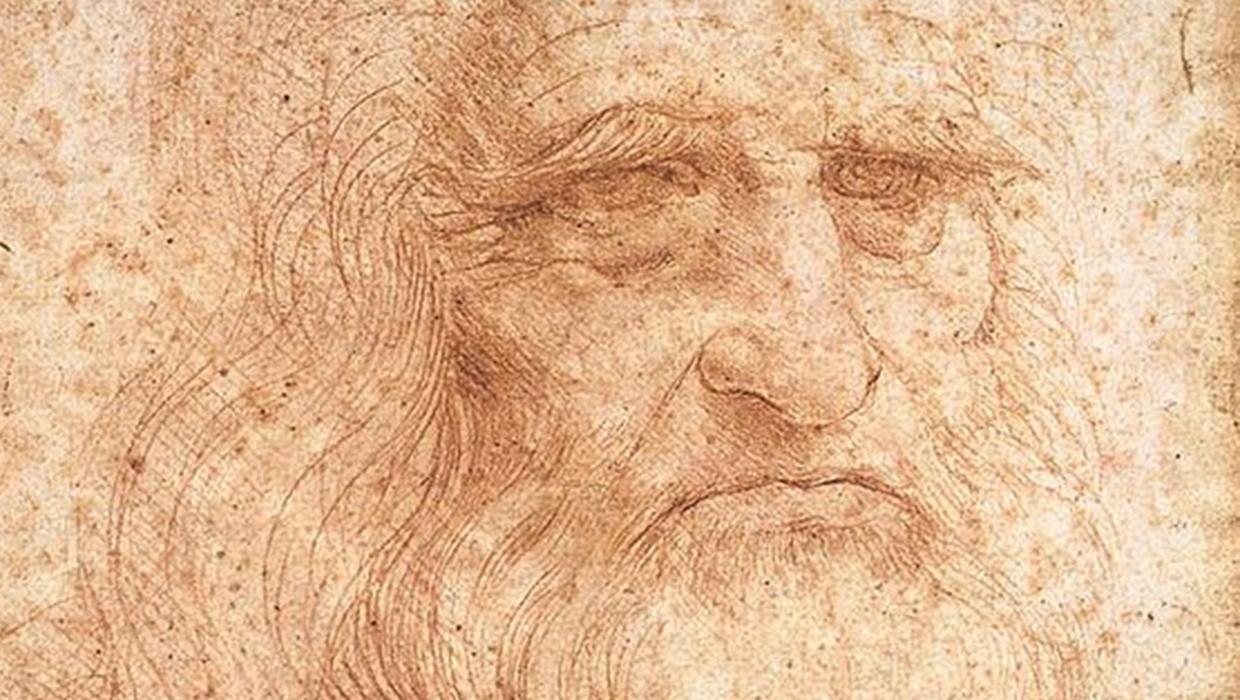
A recent breakthrough in the quest for Leonardo da Vinci’s DNA could potentially lead to the discovery of lost artworks and provide deeper insights into the mind of one of history’s greatest artists. Researchers at the University of Florence announced that they have successfully extracted DNA samples from a range of materials associated with da Vinci, including bones and historical artifacts. This could revolutionize our understanding of his techniques and creative process.
The team, led by a group of art historians and geneticists, aims to analyze the genetic material to identify specific traits that may have influenced da Vinci’s work. By comparing this DNA to known historical records, they hope to uncover not only the artist’s lineage but also details that could direct them to undiscovered paintings. Such works might have been lost to time or misattributed to other artists.
Uncovering the Past
The significance of this discovery extends beyond mere curiosity. Art historians believe that knowing more about da Vinci’s genetic makeup could reveal how his environment and personal experiences shaped his artistry. The analysis could also help trace his connections to other prominent figures of the Renaissance period, potentially leading to the identification of artworks that have yet to be recognized as his own.
According to the team, the process involves meticulous methods of genetic analysis, which include the use of advanced sequencing technologies. These techniques have already proven effective in other historical contexts, such as the identification of previous artists through their remains. The team is optimistic that similar results can be achieved with da Vinci’s DNA.
The project has garnered significant interest from the global art community, with many experts eagerly awaiting potential findings. The prospect of discovering lost masterpieces or gaining insights into the techniques used by da Vinci could not only enrich the art world but also provide valuable lessons for contemporary artists.
The Road Ahead
While the research is still in its early stages, the implications of these findings are profound. Should the team successfully map da Vinci’s DNA, it could lead to a new understanding of his methodologies and materials. This could rewrite history books and change the way we perceive his artistic legacy.
The researchers have set a timeline for their study, aiming to publish their preliminary findings in late 2024. As they move forward, they hope to engage with broader audiences, including educators and students, to share the knowledge gained from this innovative research.
As excitement builds around this project, it highlights the intersection of art and science, showcasing how modern technology can unlock the secrets of the past. The potential to discover lost artworks by Leonardo da Vinci might not only enrich our cultural heritage but also inspire future generations of artists and scholars alike.













New $25 Million Funding Boosts Hospital Capacity Ahead of Winter

Discover Sleep Space’s Affordable Bach Bed Packages Today

Jury Dismissed in Sexual Assault Trial Over Misguided Questions

Wellington’s New Gallery Unveils Community-Driven Art Exhibition

All Whites Face Challenges as Injuries Strike Before World Cup

Heroic Bystander Rescues Swimmers from Dangerous Surf in Napier

Nina Oyama Returns to Crime Comedy in Deadloch Season 2

China Southern Airlines Offers Reliable Journey from Auckland to Vietnam

Nina Oyama Returns to Deadloch for Anticipated Season 2

Community Mourns Teens Lost in Mount Maunganui Landslide

Tributes Pour In for Lachlan Rofe, Reality Star, Dead at 47

Private Funeral Held for Dean Field and His Three Children

Funeral Planned for Field Siblings After Tragic House Fire

Netball New Zealand Stands Down Dame Noeline Taurua for Series

Al Waha Motors Opens Flagship Jetour Showroom in Al Khor

Julian Dennison Ties the Knot with Christian Baledrokadroka in New Zealand

Auckland’s Average Rent Surpasses $700 for Three-Bedroom Homes

New Research Reveals Simple Path to Enhanced Happiness
-
 Top Stories7 months ago
Community Mourns Teens Lost in Mount Maunganui Landslide
-
 Entertainment11 months ago
Tributes Pour In for Lachlan Rofe, Reality Star, Dead at 47
-
 World9 months ago
Private Funeral Held for Dean Field and His Three Children
-
 Top Stories9 months ago
Funeral Planned for Field Siblings After Tragic House Fire
-
 Sports11 months ago
Netball New Zealand Stands Down Dame Noeline Taurua for Series
-
 Health7 months ago
Al Waha Motors Opens Flagship Jetour Showroom in Al Khor
-
 Entertainment7 months ago
Julian Dennison Ties the Knot with Christian Baledrokadroka in New Zealand
-
 Business7 months ago
Auckland’s Average Rent Surpasses $700 for Three-Bedroom Homes
-
 Science10 months ago
New Research Reveals Simple Path to Enhanced Happiness
-

 Entertainment10 months ago
New ‘Maverick’ Chaser Joins Beat the Chasers Season Finale
-

 Lifestyle10 months ago
Maia Wilson Faces Backlash Following Taurua’s Suspension
-

 Sports10 months ago
All Blacks Star Damian McKenzie and Partner Announce Baby News