
Science
Scientists Transform Skin Cells Into Fertilizable Human Eggs

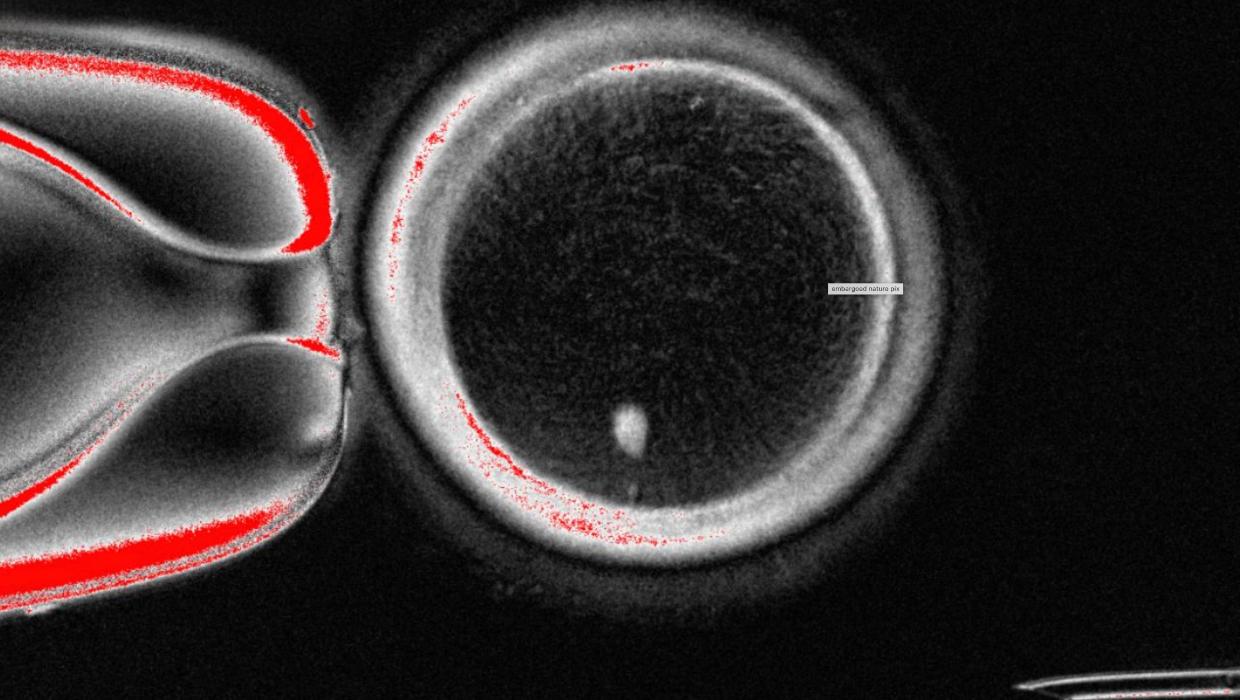
Researchers in the United States have achieved a significant breakthrough by converting human skin cells into fertilizable eggs. This advancement marks a crucial step towards developing lab-grown eggs or sperm, with the potential to assist individuals facing infertility challenges in the future.
The study, conducted by a team at the University of California, San Francisco, demonstrates the capacity to create viable human eggs from somatic cells, which are common cells found in the body. This innovative approach could revolutionize reproductive technology, offering new options for those who have difficulty conceiving naturally.
The research team utilized a technique known as induced pluripotent stem cell (iPSC) technology. This method involves reprogramming adult skin cells to revert to a stem cell state. Once in this state, these cells can differentiate into various types, including germ cells, which are essential for reproduction.
In a laboratory setting, the researchers successfully guided the reprogrammed cells to develop into mature oocytes, or eggs, capable of being fertilized. This breakthrough is particularly promising for individuals who may not have access to viable eggs due to age or medical conditions.
March 2024 marks a pivotal moment in reproductive science with the publication of these findings in the journal Nature Biotechnology. The implications of this research extend beyond individual cases of infertility. It opens up possibilities for advancements in genetic research and the study of early human development.
As this technology progresses, ethical considerations surrounding its application will be paramount. Discussions on how to responsibly use lab-grown gametes in clinical settings are already underway.
Researchers emphasize that while this development is groundbreaking, it is still in the early stages. There are numerous hurdles to overcome before lab-grown eggs can be routinely used in fertility treatments.
The potential of this technique could lead to a future where anyone, regardless of their biological circumstances, has the opportunity to conceive. Such advancements could reshape family planning and reproductive health on a global scale.
As scientists continue to explore the capabilities of stem cells, the road ahead looks promising. Continued investment in this area of research may pave the way for innovative solutions to some of the most pressing reproductive challenges faced today.












Community Pharmacies Evolve to Meet Health Needs in 2023

King Charles Revokes Prince Andrew’s Final Royal Titles

Naval Point Club Takes Stand Against Harassment and Gossip

Suzuki International Series Ignites Motorcycle Racing in Taupō

Demolition of Wellington’s Gordon Wilson Flats Set to Begin

Children Explore Construction Through Eastern Busway Project

Jenée Tibshraeny Wins Prestigious Award for Banking Investigation

Excitement Builds for the Kaiapoi Christmas Parade Festivities

Andrew Mountbatten-Windsor Loses Final Royal Titles in Official Announcement

Private Funeral Held for Dean Field and His Three Children

Funeral Planned for Field Siblings After Tragic House Fire

Netball New Zealand Stands Down Dame Noeline Taurua for Series

Tributes Pour In for Lachlan Rofe, Reality Star, Dead at 47

New ‘Maverick’ Chaser Joins Beat the Chasers Season Finale

Silver Ferns Legend Laura Langman Criticizes Team’s Attitude

Eli Katoa Rushed to Hospital After Sideline Incident During Match

Netball NZ Calls for Respect Amid Dame Taurua’s Standoff

Investigation Underway in Tragic Sanson House Fire Involving Family
-
 World1 week ago
Private Funeral Held for Dean Field and His Three Children
-
 Top Stories2 weeks ago
Funeral Planned for Field Siblings After Tragic House Fire
-
 Sports3 months ago
Netball New Zealand Stands Down Dame Noeline Taurua for Series
-
 Entertainment3 months ago
Tributes Pour In for Lachlan Rofe, Reality Star, Dead at 47
-
 Entertainment2 months ago
New ‘Maverick’ Chaser Joins Beat the Chasers Season Finale
-
 Sports3 months ago
Silver Ferns Legend Laura Langman Criticizes Team’s Attitude
-
 Sports4 weeks ago
Eli Katoa Rushed to Hospital After Sideline Incident During Match
-
 Politics2 months ago
Netball NZ Calls for Respect Amid Dame Taurua’s Standoff
-
 World2 weeks ago
Investigation Underway in Tragic Sanson House Fire Involving Family
-

 Top Stories2 weeks ago
Shock and Grief Follow Tragic Family Deaths in New Zealand
-

 Entertainment3 months ago
Khloe Kardashian Embraces Innovative Stem Cell Therapy in Mexico
-

 World4 months ago
Police Arrest Multiple Individuals During Funeral for Zain Taikato-Fox