
Business
Chulalongkorn University Launches Groundbreaking Newborn Genome Project

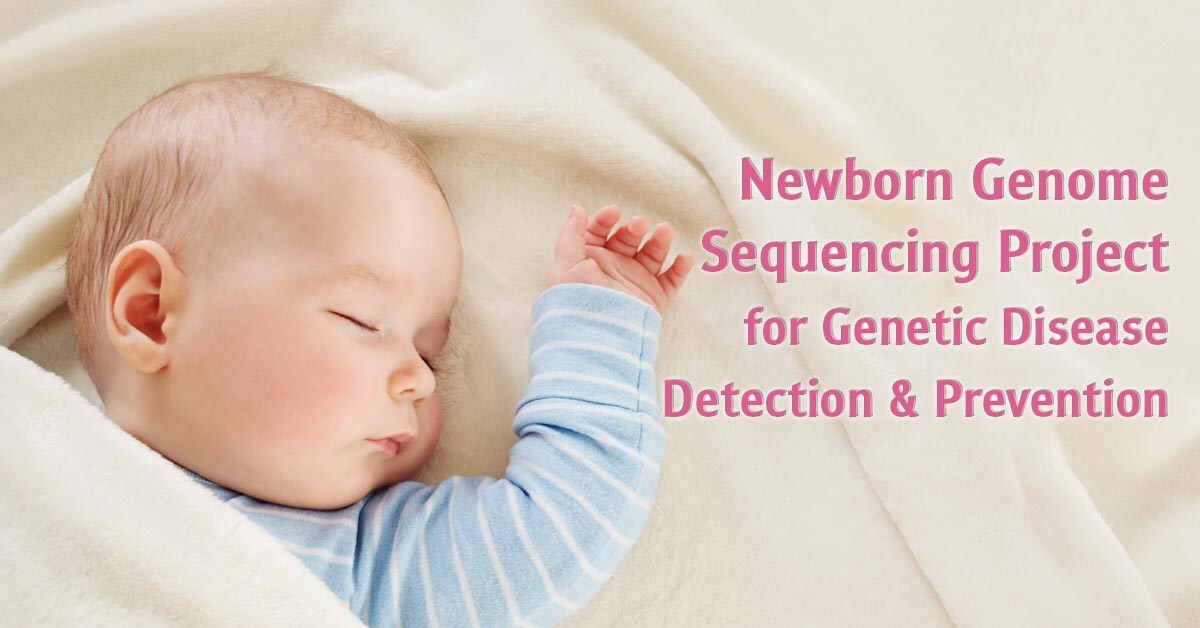
The Center of Excellence in Medical Genetics at Chulalongkorn University in Bangkok has initiated a pioneering project aimed at enhancing early detection and prevention of genetic diseases in newborns. Launched on October 17, 2025, the project utilizes advanced Long-Read Whole Genome Sequencing technology to screen for 113 genetic diseases. This innovative approach is expected to significantly improve health outcomes by enabling early intervention.
Transforming Healthcare Through Genomic Insights
Modern medicine is undergoing a transformation through the application of genomic medicine, a field that decodes the genetic underpinnings of diseases. This project allows healthcare providers to identify individual predispositions to various illnesses, predict the age at which symptoms may emerge, and determine the most effective medications for each patient. According to Professor Dr. Vorasuk Shotelersuk, the Director of the Center of Excellence in Medical Genetics, “Why wait until a person is sick to check their genetic information? We can screen newborns and prevent symptoms before they appear.”
The project emphasizes the importance of early genetic knowledge, as the genetic information remains constant throughout a person’s life. By identifying potential health risks at birth, healthcare professionals can implement preventive measures and treatment strategies tailored to each child’s needs.
Utilizing Advanced Sequencing Technology
The initiative employs Long-Read Whole Genome Sequencing, a sophisticated DNA sequencing method that allows for comprehensive analysis of a child’s genetic makeup. This technology enables the detection of complex mutations that may not be identified through traditional sequencing methods. The project has received approval from the Human Research Ethics Committee at Chulalongkorn University and is currently recruiting pregnant women to participate, aiming for approximately 300 participants in its first year.
Upon delivery at Chulalongkorn Hospital, blood samples will be collected from the umbilical cord, ensuring a painless process for both mother and child. The extracted DNA will then be sequenced to identify mutations linked to severe, treatable conditions that may manifest during the early years of life.
“We will analyze 246 genes associated with 113 treatable childhood diseases, with results communicated to parents within 60 days,” Professor Dr. Vorasuk stated. By focusing on conditions that typically present within the first five years, the project aims to provide timely interventions that can significantly impact a child’s health trajectory.
Shifting Towards Personalized Medicine
Historically, medical treatments have been based on population averages, often leaving a subset of patients without effective solutions. “Genetic sequencing changes this,” noted Professor Dr. Vorasuk. He explained that personalized medicine enables healthcare providers to move from a one-size-fits-all approach to more individualized care, predicting responses to medications and potential side effects based on genetic profiles.
The evolution of DNA sequencing technology has been remarkable since the 1970s, progressing from reading single base pairs to the comprehensive analyses provided by Long-Read Whole Genome Sequencing. This advancement allows for better detection of genetic disorders and more informed healthcare decisions.
Examples of conditions that can be detected through this screening include:
- Blood disorders, such as thalassemia
- Neuromuscular diseases, including muscular dystrophy
- Immune deficiencies, like combined immunodeficiency
- Hearing loss disorders, such as congenital auditory nerve deafness
- Metabolic conditions, including phenylketonuria
By identifying these conditions early, healthcare providers can initiate treatment before severe symptoms arise. For instance, a child with a genetic mutation leading to retinoblastoma may require treatment to preserve their eyesight, which is more effective when detected early.
Looking ahead, Professor Dr. Vorasuk envisions genomic knowledge becoming integral to future healthcare practices. “Who would live a better life—someone who knows their genome from birth, or someone who does not?” he posed, underscoring the potential for enhanced preventative care and targeted treatment strategies.
As genetic technology evolves and costs decrease, Chulalongkorn University’s project could serve as a model for similar initiatives across Thailand and beyond, ultimately granting all children access to their genetic information from birth. For more information on participation in the newborn genetic sequencing project, interested individuals can contact +662-256-4000 ext. 73102 to 73105 during office hours.









New $25 Million Funding Boosts Hospital Capacity Ahead of Winter

Discover Sleep Space’s Affordable Bach Bed Packages Today

Jury Dismissed in Sexual Assault Trial Over Misguided Questions

Wellington’s New Gallery Unveils Community-Driven Art Exhibition

All Whites Face Challenges as Injuries Strike Before World Cup

Heroic Bystander Rescues Swimmers from Dangerous Surf in Napier

Nina Oyama Returns to Crime Comedy in Deadloch Season 2

China Southern Airlines Offers Reliable Journey from Auckland to Vietnam

Nina Oyama Returns to Deadloch for Anticipated Season 2

Community Mourns Teens Lost in Mount Maunganui Landslide

Tributes Pour In for Lachlan Rofe, Reality Star, Dead at 47

Private Funeral Held for Dean Field and His Three Children

Funeral Planned for Field Siblings After Tragic House Fire

Netball New Zealand Stands Down Dame Noeline Taurua for Series

Al Waha Motors Opens Flagship Jetour Showroom in Al Khor

Julian Dennison Ties the Knot with Christian Baledrokadroka in New Zealand

Auckland’s Average Rent Surpasses $700 for Three-Bedroom Homes

New Research Reveals Simple Path to Enhanced Happiness
-
 Top Stories7 months ago
Community Mourns Teens Lost in Mount Maunganui Landslide
-
 Entertainment11 months ago
Tributes Pour In for Lachlan Rofe, Reality Star, Dead at 47
-
 World9 months ago
Private Funeral Held for Dean Field and His Three Children
-
 Top Stories9 months ago
Funeral Planned for Field Siblings After Tragic House Fire
-
 Sports11 months ago
Netball New Zealand Stands Down Dame Noeline Taurua for Series
-
 Health7 months ago
Al Waha Motors Opens Flagship Jetour Showroom in Al Khor
-
 Entertainment7 months ago
Julian Dennison Ties the Knot with Christian Baledrokadroka in New Zealand
-
 Business7 months ago
Auckland’s Average Rent Surpasses $700 for Three-Bedroom Homes
-
 Science10 months ago
New Research Reveals Simple Path to Enhanced Happiness
-

 Entertainment10 months ago
New ‘Maverick’ Chaser Joins Beat the Chasers Season Finale
-

 Lifestyle11 months ago
Maia Wilson Faces Backlash Following Taurua’s Suspension
-

 Sports10 months ago
All Blacks Star Damian McKenzie and Partner Announce Baby News