
Science
US Scientists Successfully Create Fertilizable Eggs from Skin Cells

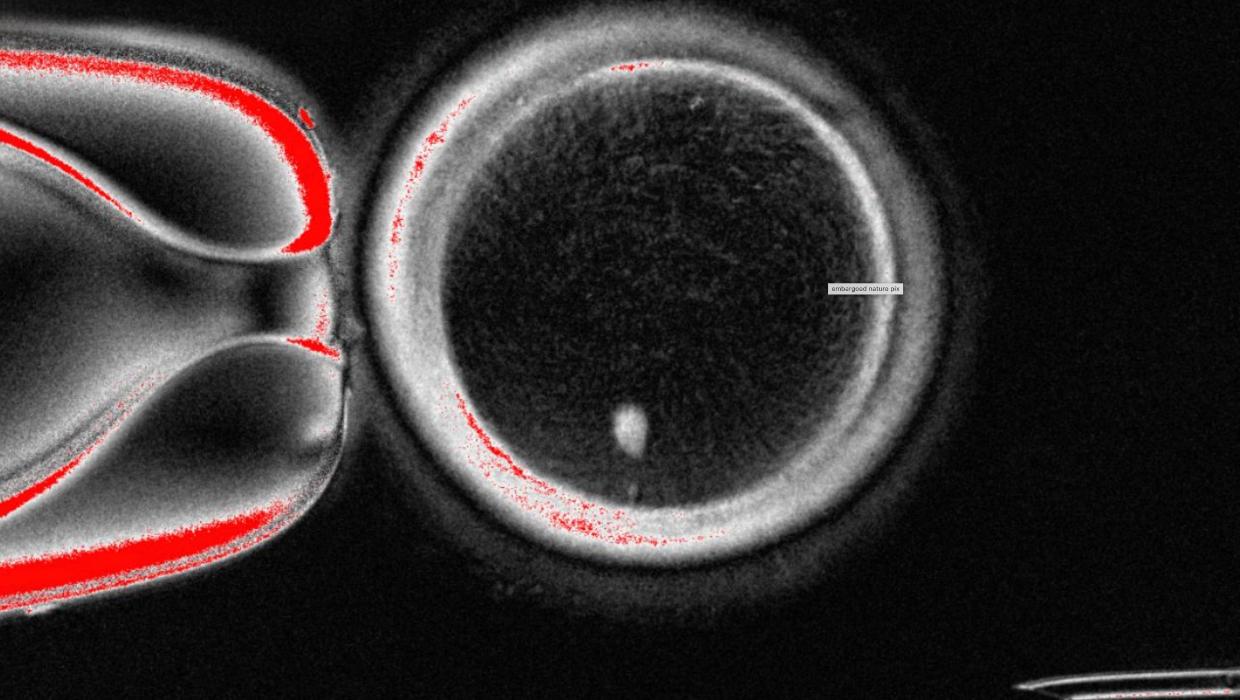
Scientists in the United States have achieved a significant breakthrough by transforming human skin cells into fertilizable eggs. This pioneering research marks a crucial step toward the development of lab-grown eggs and sperm, with the potential to assist individuals facing challenges in conception.
In a study published in October 2023, researchers detailed their innovative technique, which involves reprogramming skin cells to develop into oocyte-like cells. These cells can then undergo fertilization, raising the prospect of creating viable gametes from somatic cells. The implications of this advancement could be profound, offering new avenues for fertility treatments and potentially addressing infertility issues for numerous couples.
A New Frontier in Reproductive Technology
The research team, led by a group of scientists at a prominent US university, has been exploring the possibilities of generating gametes from non-reproductive cells. This approach could provide a sustainable solution in the field of reproductive medicine. Currently, fertility treatments typically rely on harvested eggs and sperm, which may not be available to all individuals, particularly those undergoing medical treatments that affect their fertility.
By utilizing skin cells, which are more readily accessible, researchers hope to create a more inclusive pathway for individuals seeking to conceive. This method could also reduce the reliance on donor eggs and sperm, thus allowing for personalized reproductive options tailored to individual genetic backgrounds.
The study results demonstrate that the reprogrammed skin cells possess the necessary characteristics to develop into functional eggs. When these oocyte-like cells were fertilized in laboratory settings, they showed the potential to develop into early-stage embryos, indicating a significant advancement in reproductive technology.
Future Implications for Fertility Treatments
The implications of this research extend beyond theoretical discussions. As the technology continues to evolve, it could lead to new fertility treatments that may one day become standard practice. The ability to create eggs and sperm in the lab could provide solutions for individuals with genetic disorders, same-sex couples, or those facing age-related fertility decline.
While this research is still in its early stages, the potential for future applications is substantial. Scientists are optimistic that advancements in this area could lead to improved success rates in assisted reproductive technologies, ultimately helping more people achieve their dream of parenthood.
As the scientific community continues to explore the possibilities of lab-grown gametes, further studies will be essential to address any ethical concerns and ensure the safety and efficacy of these techniques. This groundbreaking research not only opens doors to innovative reproductive solutions but also challenges existing notions of fertility and conception in contemporary society.













New $25 Million Funding Boosts Hospital Capacity Ahead of Winter

Discover Sleep Space’s Affordable Bach Bed Packages Today

Jury Dismissed in Sexual Assault Trial Over Misguided Questions

Wellington’s New Gallery Unveils Community-Driven Art Exhibition

All Whites Face Challenges as Injuries Strike Before World Cup

Heroic Bystander Rescues Swimmers from Dangerous Surf in Napier

Nina Oyama Returns to Crime Comedy in Deadloch Season 2

China Southern Airlines Offers Reliable Journey from Auckland to Vietnam

Nina Oyama Returns to Deadloch for Anticipated Season 2

Community Mourns Teens Lost in Mount Maunganui Landslide

Tributes Pour In for Lachlan Rofe, Reality Star, Dead at 47

Private Funeral Held for Dean Field and His Three Children

Funeral Planned for Field Siblings After Tragic House Fire

Netball New Zealand Stands Down Dame Noeline Taurua for Series

Al Waha Motors Opens Flagship Jetour Showroom in Al Khor

Julian Dennison Ties the Knot with Christian Baledrokadroka in New Zealand

Auckland’s Average Rent Surpasses $700 for Three-Bedroom Homes

New Research Reveals Simple Path to Enhanced Happiness
-
 Top Stories7 months ago
Community Mourns Teens Lost in Mount Maunganui Landslide
-
 Entertainment11 months ago
Tributes Pour In for Lachlan Rofe, Reality Star, Dead at 47
-
 World9 months ago
Private Funeral Held for Dean Field and His Three Children
-
 Top Stories9 months ago
Funeral Planned for Field Siblings After Tragic House Fire
-
 Sports11 months ago
Netball New Zealand Stands Down Dame Noeline Taurua for Series
-
 Health7 months ago
Al Waha Motors Opens Flagship Jetour Showroom in Al Khor
-
 Entertainment7 months ago
Julian Dennison Ties the Knot with Christian Baledrokadroka in New Zealand
-
 Business8 months ago
Auckland’s Average Rent Surpasses $700 for Three-Bedroom Homes
-
 Science10 months ago
New Research Reveals Simple Path to Enhanced Happiness
-

 Entertainment10 months ago
New ‘Maverick’ Chaser Joins Beat the Chasers Season Finale
-

 Lifestyle11 months ago
Maia Wilson Faces Backlash Following Taurua’s Suspension
-

 Sports10 months ago
All Blacks Star Damian McKenzie and Partner Announce Baby News